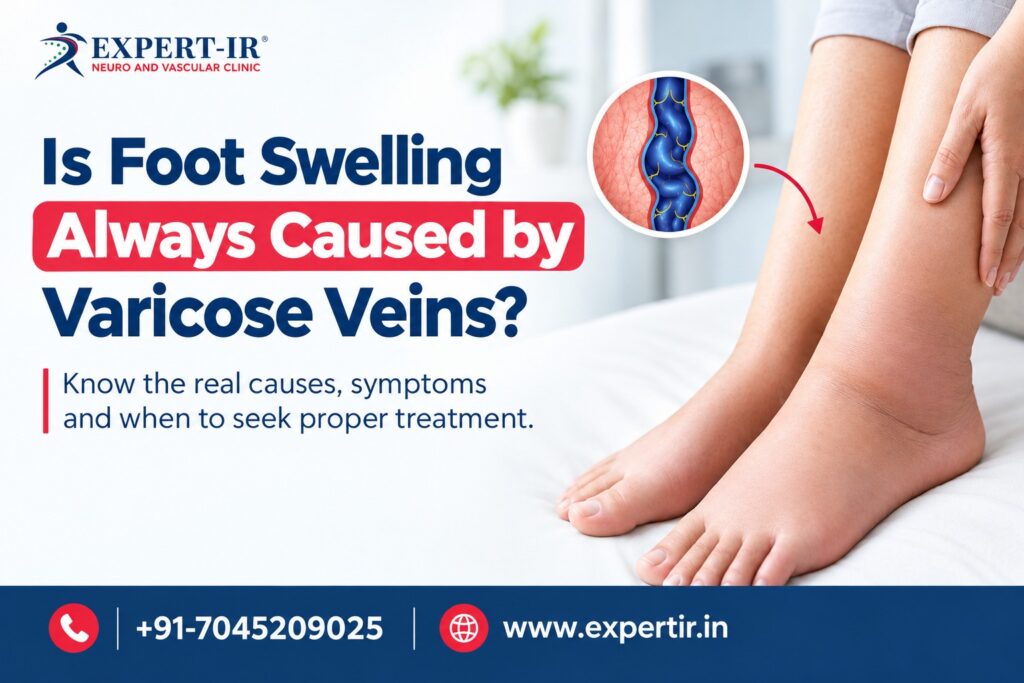
Is Foot Swelling Always Caused by Varicose Veins?
Foot swelling is one of the most common complaints we hear in clinic, and many people blame varicose veins straight away. The truth is more nuanced. Swelling can come from the veins, heart, kidneys, a blood clot, or even your medicines. When it appears with skin darkening and hyperpigmentation near the ankle, your veins deserve a closer look.
This guide explains the main foot swelling causes, how to tell lymphedema vs venous swelling, and which warning signs need urgent care. You will also see how long-standing chronic venous insufficiency shows up on the skin and what treatment can do.
Overview
No. Varicose veins are a leading cause of swollen ankles and feet, but not the only one. Swelling in both feet that builds up by evening often points to the veins. Swelling in one foot only needs a blood clot ruled out first.
How to read your symptoms:
- Swelling that builds up through the day and eases overnight often points to vein weakness.
- Swelling in one foot only needs a doctor’s check to rule out a clot.
- Brown or dark skin near the ankle suggests long-standing venous pressure.
Foot Swelling Causes | What Else Makes Your Feet Swell?
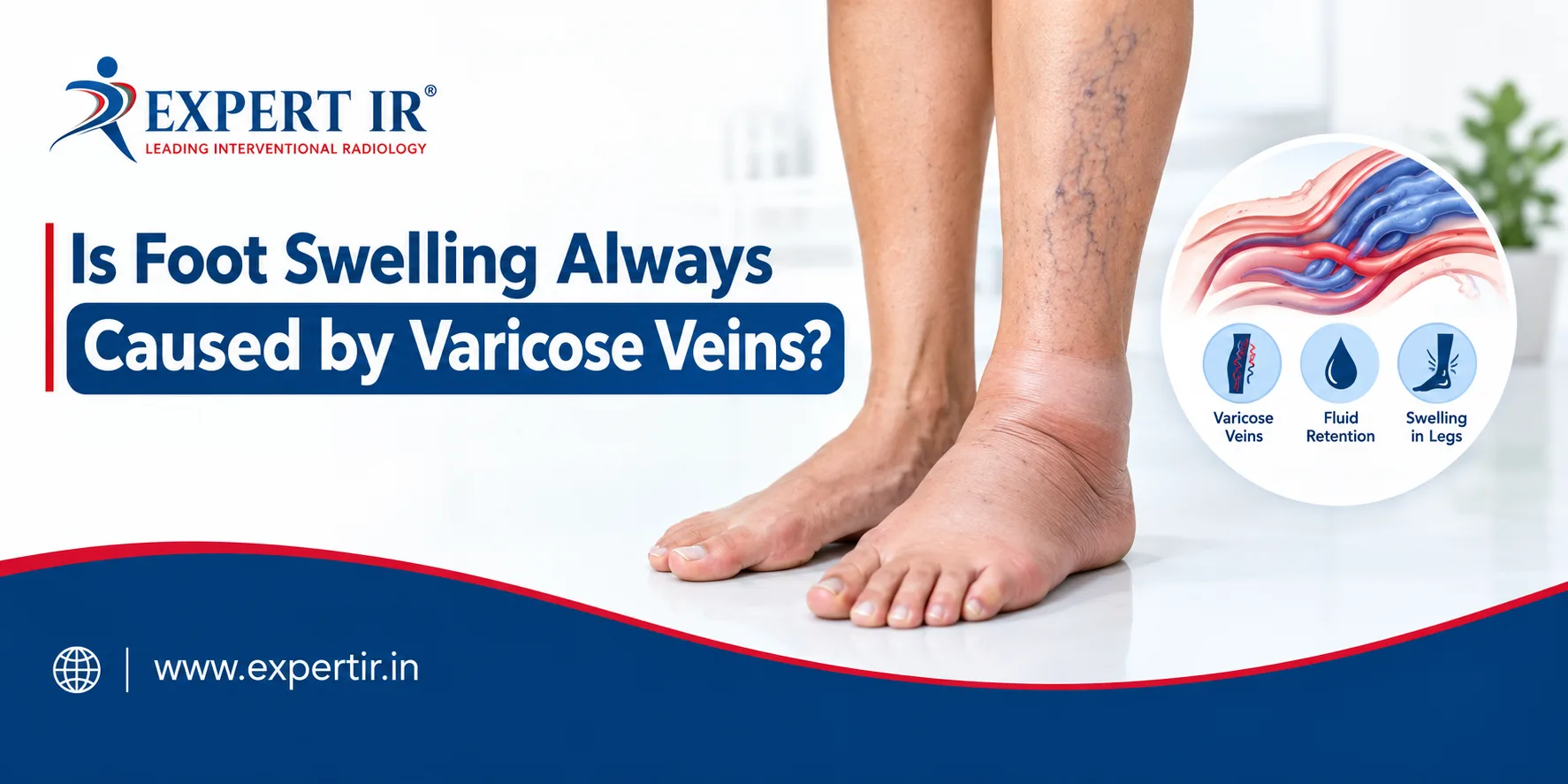
In clinical practice, many patients assume every puffy ankle is a vein problem. Here are the main swollen feet reasons.
Everyday Causes
- Standing or sitting for long hours
- Excess salt and processed food
- Hot weather and dehydration
- Tight footwear
- Pregnancy
These usually cause mild, painless swelling in both feet. It settles with rest and leg elevation.
Medical Causes
- Heart failure: Fluid backs up in the legs and may come with breathlessness.
- Kidney disease: The body cannot clear extra fluid.
- Liver disease: Low protein levels let fluid leak into tissues.
- Thyroid disorders: These can cause puffy skin and fluid retention.
- Medicines: Some blood pressure drugs, steroids, and hormones cause swelling.
Local Causes
- Ankle sprain or fracture
- Cellulitis or other skin infection
- Gout flare
These typically cause painful, swollen feet with warmth, redness, or tenderness.
Swollen Feet and Varicose Veins | How They Are Connected
Healthy leg veins have one-way valves. They push blood up toward the heart against gravity. When valves weaken, blood leaks backward and pools in the lower leg. This condition is called chronic venous insufficiency.
Raised pressure then forces fluid out of the veins into surrounding tissue. The result is varicose veins and swelling around the ankle and foot. If you are exploring varicose vein treatment in Pune, an accurate diagnosis always comes first.
What are the symptoms of Varicose veins?
- Bulging, twisted, rope-like veins
- Leg heaviness and swelling, worse by evening
- Aching, throbbing, or night cramps
- Itching or burning around the veins
- Foot swelling in the evening that improves after rest
- Skin colour changes near the ankle
Not everyone with venous swelling has visible varicose veins. Deeper valve problems can swell the foot without any bulging veins at all.
Skin Darkening and Hyperpigmentation | A Warning Sign from Your Veins
Many patients ignore brown patches on the lower leg because they do not hurt. That is a mistake. Skin darkening and hyperpigmentation near the ankle is often the first visible sign that venous pressure has stayed high for years.
Why Does Venous Hyperpigmentation Happen?
When pressure stays high, tiny capillaries leak red blood cells into the skin. The cells break down and leave behind an iron-rich pigment called hemosiderin. This stains the skin brown or purple-brown, usually around the inner ankle and shin.
How Skin Discoloration Affects Your Legs Over Time
Skin discoloration affects more than appearance. It marks a progression:
- Mild swelling and heaviness
- Brown or reddish patches
- Itching, dryness, and eczema-like rash (stasis dermatitis)
- Hardened, tight skin above the ankle
- Open sores called venous ulcers
If you want a deeper look at these stages, read our guide on how varicose veins link to skin discoloration.
Causes of Skin Discoloration: Legs vs Face
Many people search for hyperpigmentation face treatments, then notice similar darkening on their legs. The two are usually unrelated.
Feature | Leg and ankle darkening | Facial hyperpigmentation |
Common causes | Venous insufficiency, past clots, stasis dermatitis | Sun exposure, melasma, hormones, acne marks |
Typical look | Brown or purple-brown, near ankle | Patchy brown areas on cheeks, forehead |
Linked symptoms | Swelling, heaviness, varicose veins | Usually none |
Right specialist | Vascular doctor | Dermatologist |
The causes skin discoloration on the legs can also include diabetes, past injury, and certain medicines. Skin cream alone will not fix venous pigmentation, because the pressure problem underneath continues.
Swelling in One Foot Only | Think DVT First
Swelling in one foot only deserves urgent attention. A blood clot in a deep leg vein can cause sudden swelling, pain, warmth, and redness on that side. This is deep vein thrombosis (DVT) foot swelling.
The danger is that a clot can travel to the lungs. See an emergency doctor at once if swelling comes with chest pain, breathlessness, or coughing up blood.
DVT needs specialist care, and early treatment lowers complication risk. You can read about deep vein thrombosis (DVT) diagnosis and treatment options, or learn the differences between DVT and varicose veins.
Lymphedema vs Venous Swelling: How to Tell Them Apart
Both conditions swell the foot, but they behave differently.
Feature | Venous swelling | Lymphedema |
Starts at | Ankle and lower leg | Toes and top of the foot |
Relief with elevation | Usually improves | Improves slowly or little |
Skin feel | Soft early, hard later | Thick, firm, may look “orange peel” |
Toes | Normal shape | Square-looking, swollen toes |
Colour change | Brown darkening near ankle | Usually little pigmentation |
Common link | Varicose veins, past DVT | Surgery, infection, radiation, filariasis |
A specialist confirms the diagnosis with an examination and a Doppler scan. Treatment differs, so guessing at home delays the right care.
When to See a Doctor About Swollen Ankles and Feet
Book a consultation if you notice:
- Swelling that returns daily or keeps worsening
- Swollen ankles and feet with brown skin changes
- Visible varicose veins with pain or heaviness
- Itchy, scaly, or hardened skin near the ankle
- A sore that is slow to heal
- Swelling in only one foot
Go to the emergency room if swelling is sudden and comes with chest pain, breathlessness, high fever, or severe leg pain.
How Vein Swelling Is Diagnosed and Treated
Diagnosis
A venous duplex ultrasound is a painless scan. It shows blood flow, valve leakage, and clots in real time. It is the key test to separate vein disease from other causes of swelling.
Treatment Options
- Compression stockings: They support the veins and ease swelling.
- Elevation and movement: Raise the legs above heart level and walk often.
- Leg exercises: Ankle pumps and calf raises help. See our notes on physiotherapy for varicose veins.
- Minimally invasive closure: VenaSeal uses medical adhesive to seal the diseased vein without cuts.
- Heat-based closure: Laser ablation is another common option for faulty veins.
Once the faulty vein is closed, blood reroutes through healthy veins. Swelling and heaviness often improve, and further skin damage can be slowed. Established brown staining may fade only partly, so early treatment matters.
Simple Home Care for Swollen Feet
- Elevate your feet for 20 to 30 minutes, a few times a day
- Walk or flex your ankles every hour at a desk
- Reduce salt and drink enough water
- Wear well-fitted shoes
- Use compression stockings only after a doctor confirms the cause
Conclusion
Foot swelling is not always a vein problem, but it should never be brushed off when it comes with skin darkening and hyperpigmentation. That combination often signals long-standing venous pressure.
The safest step is a proper scan and an expert opinion. At Expert-IR Neuro and Vascular Clinic, we assess each patient individually and plan the least invasive treatment that fits. If you also want to know about a trusted vascular surgeon in Pune, you can book a consultation at our Baner, Kharadi, or Sadashiv Peth centres.
Frequently Asked Questions (FAQs)
Gravity pulls fluid down after hours of sitting or standing. Weak vein valves, salt intake, heat, or pregnancy can worsen foot swelling in the evening. If it happens daily, get your veins checked.
Yes. Deeper vein valve problems can swell the foot with no bulging veins on the surface. A duplex ultrasound detects this hidden reflux.
It can be. One-sided swelling may signal DVT, infection, or lymphatic blockage. Get evaluated promptly, especially if there is pain, warmth, or redness.
Yes. Long-standing venous pressure leaks red blood cells into the skin, leaving brown hemosiderin staining around the ankle.
Lie down, raise the leg above heart level and press firmly on the spot with a clean cloth for 10 to 15 minutes. A ruptured or popped blood vessel in the leg that keeps bleeding needs urgent hospital care. Book a vein check afterward, because the vein can bleed again.
It may fade partly once the diseased vein is treated, but old staining can persist. Treating it early gives the best chance of limiting it.
Venous swelling starts at the ankle, often improves with elevation, and comes with varicose veins or brown skin. Lymphedema begins at the toes, feels firm, and responds less to elevation.
Sudden swelling with chest pain, breathlessness, coughing blood, or severe leg pain needs emergency care. These can indicate a clot that has reached the lungs.