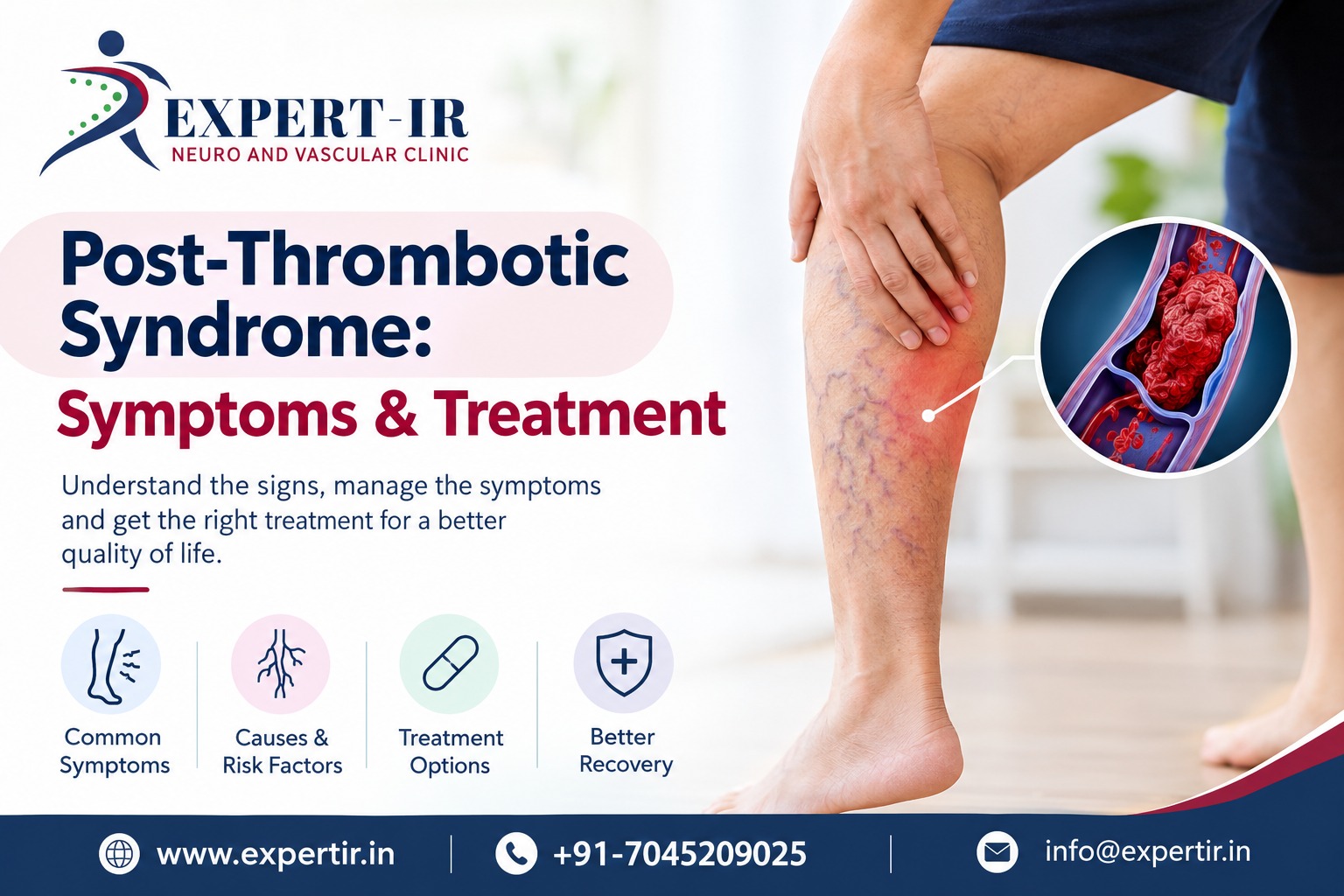
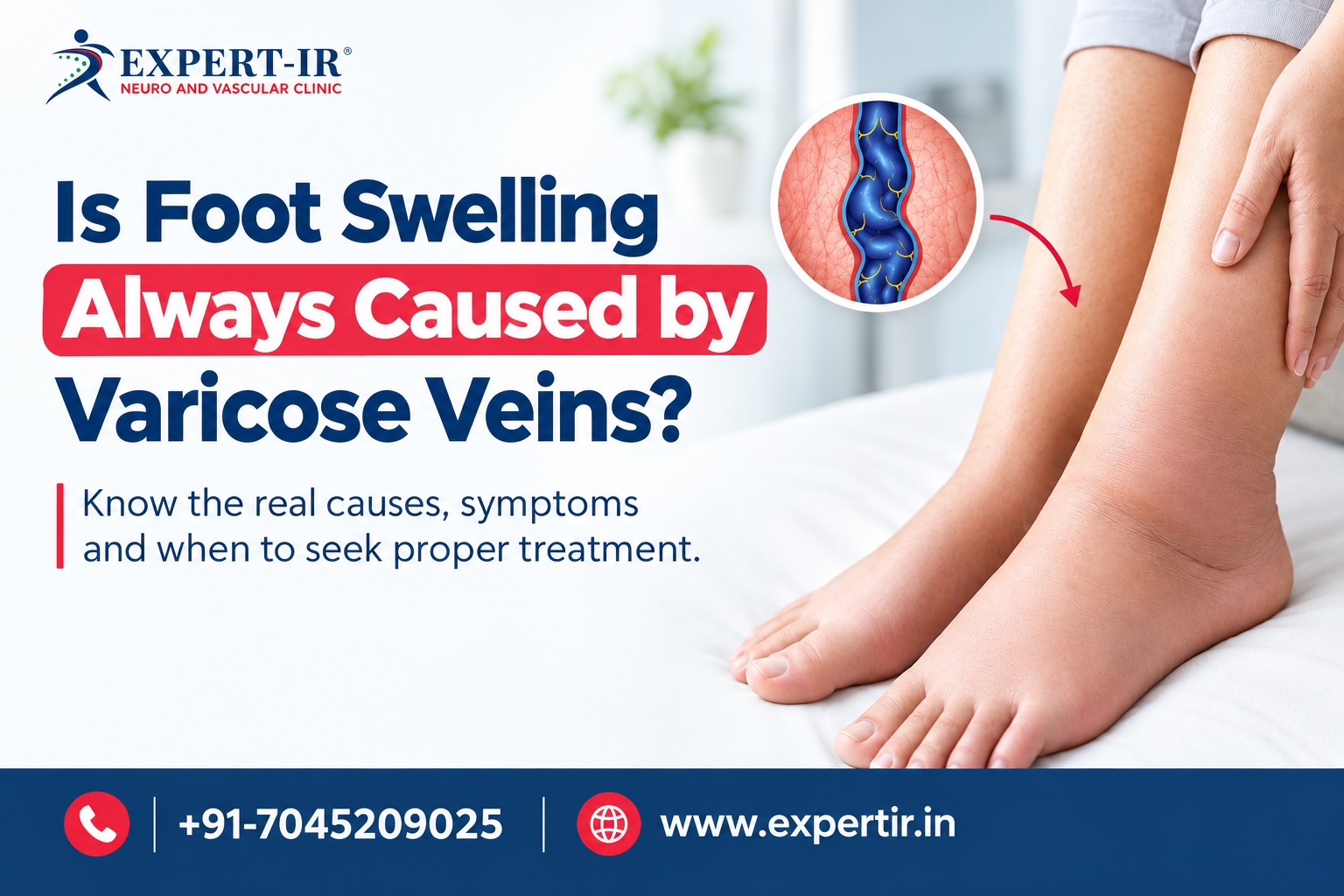
Physiotherapy for Varicose Veins | 100% Relief | 5 Benefits

Varicose veins are more than a cosmetic concern—they can cause aching, heaviness, swelling, and even pain that interferes with your daily life. While many people associate treatment with surgery or laser therapy, few realize that physiotherapy for varicose veins can be a highly effective, non-invasive way to improve symptoms, enhance circulation, and support recovery after procedures.

In this article, we explore how physiotherapy helps relieve discomfort, prevent progression, and offer 100% relief when combined with medical care from specialists like Dr. Santosh Patil – Best Vascular Surgeon in Pune.

Physiotherapy for Varicose Veins

What Are Varicose Veins — A Quick Recap

Before diving into physiotherapy, it’s helpful to understand varicose veins at a glance:

  • Varicose veins occur when vein valves become weak or damaged, causing blood to pool and veins to dilate, typically in the legs.
  • Symptoms often include aching, heaviness, swelling, throbbing, cramps, and visible bulging veins.
  • Risk factors include genetics, prolonged standing or sitting, obesity, hormonal changes, pregnancy, aging, and lack of movement.

Why Physiotherapy is important in Varicose Veins

  • Targeted exercises
  • Manual techniques (e.g. massage, myofascial release)
  • Compression strategies
  • Postural and biomechanical training
  • Patient education and behavioral strategies

Why include physiotherapy?

  • Non‑invasive: No incisions or injections
  • Symptom relief: Eases pain, heaviness, swelling
  • Support before/after procedures: Helps in recovery or may delay need for intervention
  • Patient empowerment: You actively participate in your healing
  • Cost-effective adjunct: Compared to repeated invasive treatments

5 Major Benefits of Physiotherapy for Varicose Veins

1. Improved Blood Circulation & Venous Return

One of the central goals is to enhance venous return (blood flow back to the heart). Physiotherapy uses calf muscle activation, ankle pumps, and positional strategies to prevent pooling of blood in lower limbs. Over time, better circulation may reduce the pressure on vein walls and slow the progression of vein dilation.

2. Reduction of Swelling and Edema

Swelling (edema) is a common symptom in varicose conditions. Physiotherapy techniques—such as manual lymphatic drainage, gentle massage, and compression combined with movement—help shift excess fluid out of tissues, reducing swelling and discomfort.

3. Strengthens Leg Muscles and Veins

Strong leg muscles act as a natural support system for veins. Physiotherapy focuses on strengthening the calf, thigh, and gluteal muscles to improve venous return. Over time, this added support helps veins function better and prevents worsening of existing varicose veins.

4. Aids in Post-Treatment Recovery

After treatments like laser therapy or sclerotherapy, physiotherapy plays an essential role in speeding up recovery. Gentle exercises improve blood flow, prevent clot formation, and enhance flexibility.

5. Prevents Recurrence and Future Vein Problems

Consistent physiotherapy doesn’t just address current symptoms—it also helps prevent future vein issues. Through posture correction, lifestyle counseling, and leg-strengthening techniques, physiotherapy supports lifelong vein health and prevents recurrence.

Top Physiotherapy Techniques for Varicose Vein Relief

1. Manual Therapy

Physiotherapists use specialized manual massage techniques to improve lymphatic drainage and enhance circulation. This relieves pain and heaviness in the legs without any side effects.

2. Compression Therapy Guidance

Although compression stockings are often prescribed by vascular surgeons, physiotherapists help patients learn how to use them correctly. When combined with exercises, they provide excellent symptom relief.

3. Therapeutic Exercises

Targeted movements like ankle flexion, heel raises, and walking routines activate calf muscles, improve venous return, and help maintain a healthy vascular system.

4. Postural and Ergonomic Training

Sitting or standing incorrectly for long hours worsens venous insufficiency. Physiotherapists educate patients about proper posture and movement habits to minimize vein strain during daily activities.

5. Breathing and Relaxation Techniques

Deep breathing exercises enhance oxygenation, reduce stress, and indirectly improve circulation—helping the veins function better under less pressure.

When to See a Vascular Surgeon

If you experience constant leg pain, swelling, visible veins, or skin darkening, it’s important to seek evaluation from a vascular specialist. Ignoring symptoms may lead to serious complications like ulcers or deep vein thrombosis.

A comprehensive diagnosis by Dr. Santosh Patil – Best Vascular Surgeon in Pune, ensures that your physiotherapy plan is aligned with your medical condition. Depending on severity, he may combine physiotherapy with treatments like laser therapy, sclerotherapy, or the advanced Venaseal treatment for long-lasting relief.

Dr. Santosh Patil is one of Pune’s leading vascular and interventional radiologists, specializing in advanced, minimally invasive treatments for varicose veins. His patient-first approach focuses not only on curing the condition but also on improving long-term vein health.

Dr. Santosh often recommends physiotherapy as part of his holistic treatment approach to ensure faster recovery, reduced recurrence, and improved quality of life. With his expertise, patients receive customized care plans that combine modern medical techniques and supportive physiotherapy, ensuring 100% effective and safe results.

Frequently Asked Questions (FAQs)

Yes. Physiotherapy for varicose veins improves blood circulation, reduces leg pain, and strengthens calf muscles. Regular sessions help relieve heaviness and swelling naturally.

The best exercises include ankle pumps, calf raises, and gentle walking. These movements improve venous return and reduce pressure in the leg veins when guided by a specialist.

Most patients experience noticeable relief within 3–4 weeks of consistent physiotherapy sessions, especially when combined with compression therapy and lifestyle changes.

Absolutely. Post-surgery physiotherapy speeds up recovery, prevents blood clots, and improves circulation. Dr. Santosh Patil – Best Vascular Surgeon in Pune, often recommends it as part of post-treatment care.

Yes. Regular physiotherapy, along with weight management and correct posture, can significantly reduce the risk of recurrence and support long-term vein health.

Conclusion

Physiotherapy for varicose veins is a scientifically supported, patient-friendly approach that brings comfort, mobility, and lasting relief. It helps reduce symptoms, improve blood flow, and prevent future complications—naturally.

When guided by experts like Dr. Santosh Patil – Best Vascular Surgeon in Pune, physiotherapy becomes a vital part of a complete vein care journey. Whether you’re managing mild discomfort or recovering from a procedure, physiotherapy offers an empowering way to heal from the inside out—one movement at a time.
For More Details Visit Our Channel