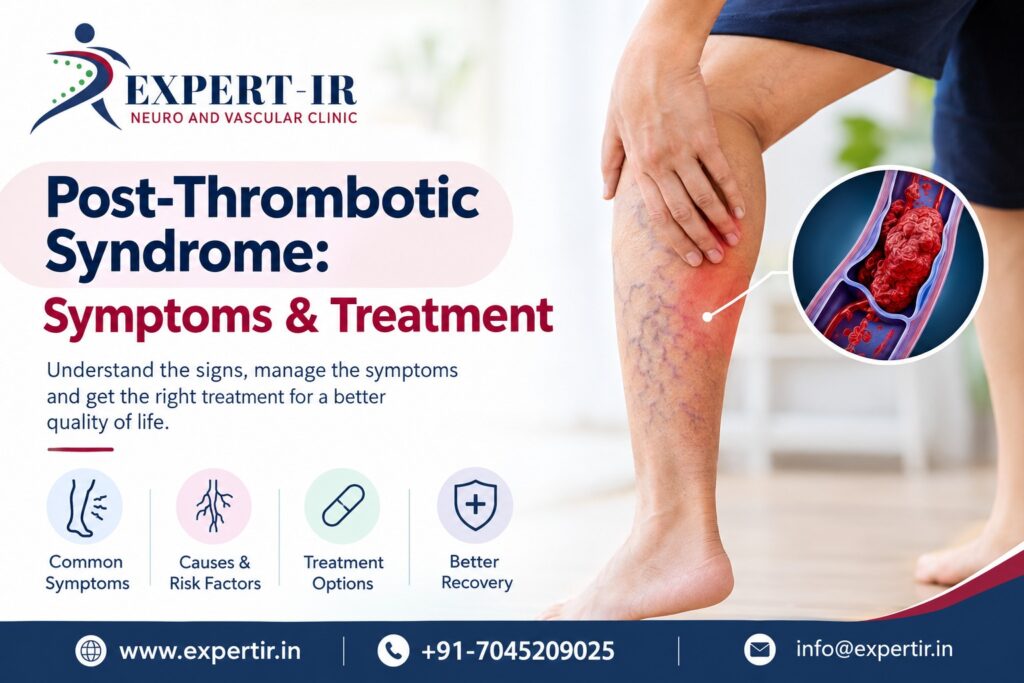
Post-Thrombotic Syndrome | Symptoms & Treatment
Post-Thrombotic Syndrome (PTS) is a long-term complication that can develop after deep vein thrombosis (DVT). Even when a DVT has been treated, the affected vein may remain damaged. This can interfere with normal blood flow and cause blood to pool in the affected limb.
As a result, a person may experience symptoms such as leg or arm swelling, pain, heaviness, itching, skin changes or, in more severe cases, venous ulcers. PTS can range from mild symptoms to problems that significantly affect everyday activities and quality of life.
What Is Post-Thrombotic Syndrome?
Post-Thrombotic Syndrome is a form of chronic venous insufficiency that develops following a previous DVT. It usually affects the same limb where the DVT occurred.
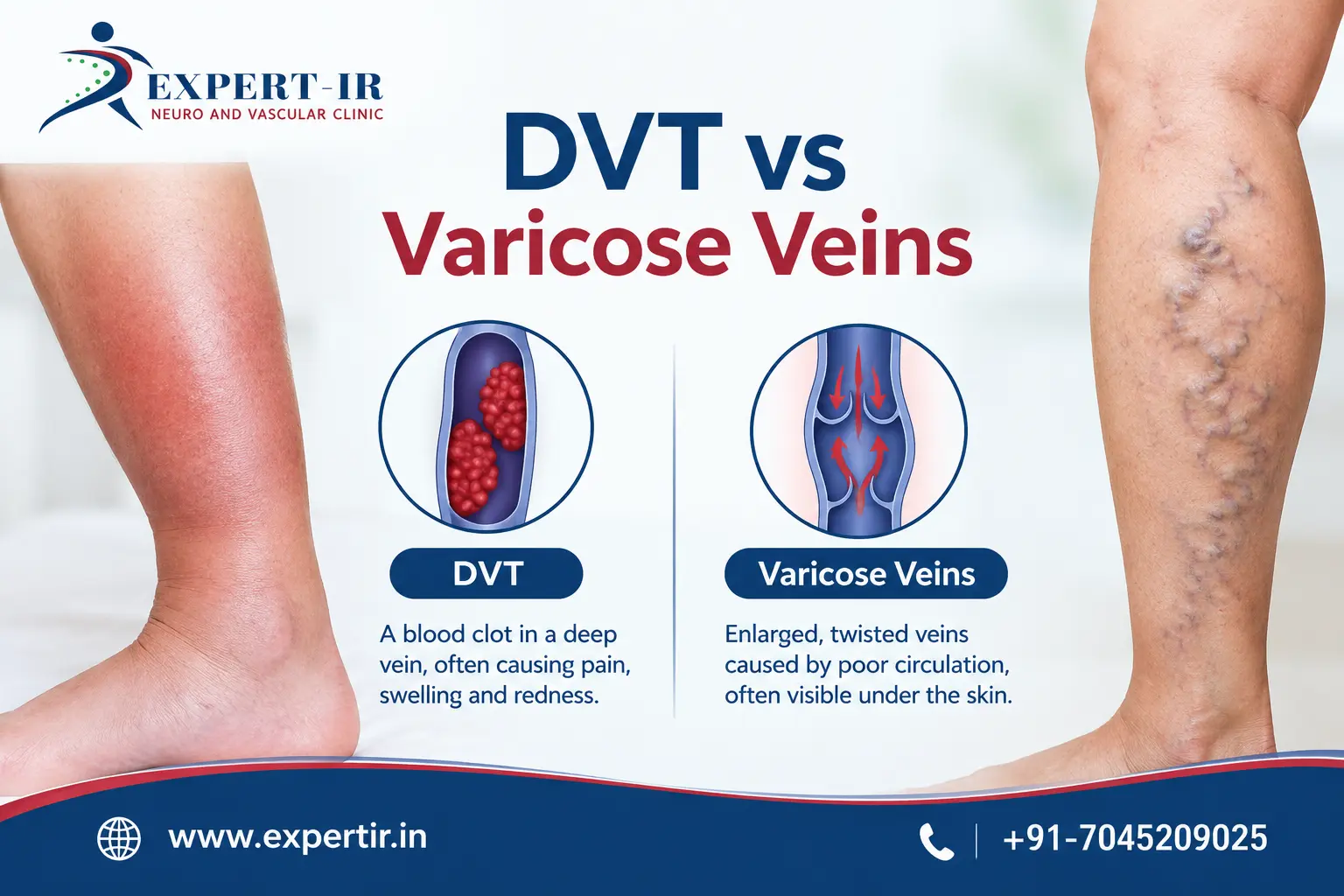
DVT occurs when a blood clot forms in a deep vein, commonly in the leg. The clot can damage the vein and its valves. These valves normally help blood move back toward the heart. When they are damaged, blood may not return efficiently and can remain pooled in the affected vein. This increases venous pressure and contributes to the symptoms of PTS.
PTS is relatively common after DVT. The Cleveland Clinic reports that it affects approximately 20% to 50% of people within two years of a DVT diagnosis, while the medical review notes that it develops in about 20% to 50% of patients after proximal DVT.
What Causes Post-Thrombotic Syndrome?
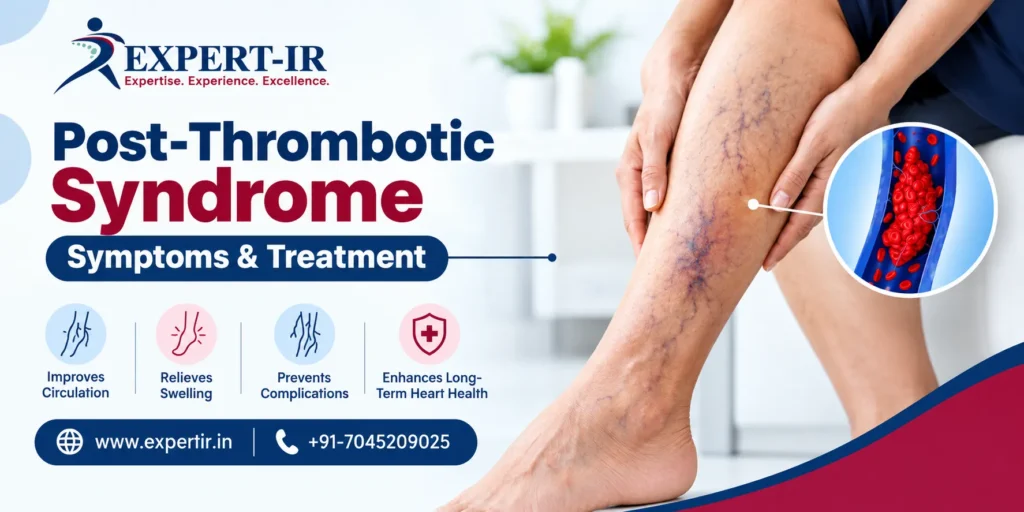
Vein Damage and Blood Pooling
The main cause of PTS is damage left behind by DVT.
Deep veins contain one-way valves that help direct blood toward the heart. A DVT can damage these valves or leave residual obstruction within the vein. Both problems can contribute to increased pressure in the veins.
Over time, this may lead to:
- Blood pooling in the affected limb
- Increased pressure inside the veins
- Swelling
- Pain or aching
- A feeling of heaviness
- Itching
- Skin changes
- Venous ulcers in severe cases
Risk Factors After DVT
Anyone who has experienced DVT can develop PTS, but certain factors are associated with a greater risk.
These include:
- A previous DVT affecting the same limb
- Recurrent DVT
- A large blood clot
- Proximal DVT involving veins in the upper thigh or pelvis
- DVT involving the iliac or common femoral vein
- Residual thrombosis after treatment
- Existing chronic venous insufficiency
- Obesity
The medical review also identifies factors such as iliac DVT, obesity and the number of DVT-related symptoms and signs as relevant when assessing PTS risk.
Post-Thrombotic Syndrome Symptoms
PTS symptoms usually develop in the same arm or leg affected by the previous DVT.
Common Symptoms
A person may experience:
- Pain
- Cramping or aching
- Leg or limb heaviness
- Tiredness
- Itching
- Pins-and-needles sensations
- Swelling
Symptoms can be continuous or may come and go. They may become more noticeable after prolonged standing or walking and can be worse later in the day.
Visible Signs
Some changes can be seen during a physical examination. These may include:
- Swelling or edema
- Red or discolored skin
- Thickened skin
- New varicose veins
- Spider veins
- Skin changes associated with chronic venous disease
- Venous ulcers in severe cases
The medical review notes that skin changes can range from hyperpigmentation to venous ulceration in more severe PTS.
How Is Post-Thrombotic Syndrome Diagnosed?
There is no single specific test that independently diagnoses PTS. Diagnosis is primarily based on the person’s history, symptoms, and physical examination.
Physical Examination
During an evaluation, a healthcare provider may:
- Review the person’s previous DVT history.
- Ask about current symptoms.
- Assess how symptoms affect everyday activities.
- Examine the affected arm or leg.
- Look for swelling, skin changes, and other signs.
- Assess the severity of the condition.
A diagnosis of PTS should not simply be made during the acute phase of a new DVT. The medical review explains that acute DVT can produce symptoms such as pain, swelling and redness that can resemble PTS. PTS refers to chronic changes following DVT, so the acute symptoms need to settle before the condition can be assessed.
Villalta Scale
The Villalta scale is a commonly used scoring system for diagnosing and assessing the severity of PTS.
It considers five symptoms and six clinical signs. Each finding receives a score from zero to three depending on severity.
According to the Cleveland Clinic:
- Less than 4: PTS is not diagnosed
- 5–9: Mild PTS
- 10–14: Moderate PTS
- 15 or more, or the presence of an ulcer: Severe PTS
Duplex Ultrasound
A duplex ultrasound may sometimes be used to assess blood flow through the veins. It can provide information about venous blood flow when further evaluation is needed.
Step-by-Step: How Post-Thrombotic Syndrome Develops
Understanding the process can make PTS easier to recognize.
Step 1: DVT develops
A blood clot forms inside a deep vein.
Step 2: The vein is affected
The clot can cause lasting damage to the vein and its valves.
Step 3: Blood flow becomes less efficient
Damaged valves or residual obstruction can make it harder for blood to return toward the heart.
Step 4: Blood pools in the limb
Blood can collect in the affected vein, increasing pressure within the venous system.
Step 5: Symptoms develop
The increased venous pressure can contribute to swelling, pain, heaviness, itching and other symptoms.
Step 6: Chronic changes may occur
In more advanced cases, skin changes and venous ulcers may develop.
A real clinical example described in the medical review involved a 57-year-old man with an extensive left-sided iliofemoral DVT, with the clot extending from the common iliac vein to the popliteal vein. The case illustrates why a patient with an acute DVT is initially assessed for DVT management and future PTS risk rather than being diagnosed with PTS immediately.
Treatment for Post-Thrombotic Syndrome
Treatment is focused on controlling symptoms, improving venous blood flow and supporting quality of life. Management is individualized according to the person’s symptoms and severity.
Compression Therapy
Compression stockings are commonly used to help manage PTS symptoms. They provide pressure around the limb and can support venous blood flow.
Compression stockings come in different pressure levels, so the appropriate type should be selected according to clinical advice.
Other compression approaches may include:
- Venous-return assist devices
- Intermittent pneumatic compression devices
Compression therapy should be used according to a healthcare provider’s recommendations.
The evidence around elastic compression stockings for preventing PTS after DVT is less clear. The medical review notes that they may help with acute DVT symptoms, but their ability to prevent PTS remains debated.
Lifestyle Changes
Lifestyle measures can help manage symptoms.
These may include:
- Elevating the legs above heart level while sitting or lying down
- Maintaining a healthy body weight
- Avoiding prolonged sitting where possible
- Taking short breaks to walk or stretch
- Keeping the skin moisturized to reduce dryness and cracking
Exercise
Exercise can support blood circulation and may help reduce symptoms.
The calf muscles play an important role in helping blood return from the legs toward the heart. When you walk, contraction of the calf muscles helps move blood upward.
A healthcare provider may recommend exercises that strengthen the leg muscles while considering the person’s individual condition.
Procedures for Selected Patients
Some people with PTS may be considered for an endovascular procedure, such as venous stenting, to improve blood flow.
However, these interventions are generally reserved for carefully selected patients with conditions such as chronic iliac obstruction or significant venous reflux. The medical review notes that robust clinical trial evidence for these interventions remains limited.
Venous Ulcer Care
Severe PTS can result in venous ulcers. These require careful and consistent management.
Depending on the individual situation, ulcer care may include:
- Wound cleaning
- Dressings or bandages
- Compression bandages or stockings
- Ointments
- Pain relief
- Antibiotics when appropriate
- Removal of dead tissue through debridement
- Specialist care when necessary
Can Post-Thrombotic Syndrome Be Prevented?
PTS cannot always be prevented because DVT itself cannot always be prevented. However, reducing DVT risk and managing DVT appropriately are important parts of prevention.
The medical review emphasizes appropriate anticoagulation following DVT as an important part of reducing PTS risk. Early diagnosis and appropriate treatment can also help reduce ongoing vein damage and the risk of recurrent DVT.
Measures that may help reduce DVT risk include:
- Staying physically active
- Maintaining a healthy weight
- Avoiding tobacco products
- Identifying individual DVT risk factors with a healthcare provider
- Receiving appropriate treatment if DVT develops
Living With Post-Thrombotic Syndrome
PTS is a chronic condition, meaning it may require long-term management rather than a single treatment. Treatment can help reduce symptoms and improve a person’s ability to work, socialize and participate in everyday activities.
Following the recommended treatment plan is important. Patients may also be advised to:
- Take prescribed medicines as directed
- Elevate the affected leg when resting
- Avoid sitting for long periods
- Walk or stretch during breaks
- Maintain healthy skin with moisturizer
- Attend follow-up appointments
- Report new or changing symptoms
Living with a chronic condition can also affect emotional well-being. The Cleveland Clinic notes that people with PTS may experience concerns about recurrent blood clots or limitations in daily activities.
Conclusion
Post-Thrombotic Syndrome is a chronic complication of DVT that can occur when a previous blood clot leaves lasting damage to the veins. Symptoms can include swelling, pain, heaviness, itching and skin changes, with venous ulcers possible in severe cases.
Diagnosis is based mainly on medical history and physical examination, with tools such as the Villalta scale helping assess severity. Treatment commonly focuses on compression therapy, lifestyle measures and exercise, while selected patients may require additional procedures or ulcer care.
If you have a history of DVT and are experiencing persistent or changing symptoms in the affected limb, consider discussing them with a qualified vascular healthcare provider at Expert Interventional Radiology & Neurovascular Clinic.
Frequently Asked Questions (FAQs)
No. DVT is the formation of a blood clot in a deep vein. Post-Thrombotic Syndrome is a chronic complication that can develop after DVT because of lasting venous damage.
PTS develops after the acute DVT phase. The Cleveland Clinic states that it occurs within two years of a DVT diagnosis in many affected people. The medical review explains that PTS should not be diagnosed during the acute DVT episode and may be assessed after the acute symptoms have resolved.
Common symptoms include pain, aching, heaviness, tiredness, itching, pins-and-needles sensations and swelling in the affected limb. Symptoms may become worse after prolonged standing or walking and later in the day.
PTS is considered a chronic condition. There is currently no established cure for the condition, but treatment and lifestyle measures can help manage symptoms and improve quality of life.
Exercise may improve blood flow and help relieve symptoms. Strengthening the leg muscles can support the calf-muscle pump that assists venous blood return. Exercise should be selected with appropriate healthcare guidance.
Compression stockings are commonly used to manage PTS symptoms and may help improve venous blood flow. The appropriate pressure level should be determined according to individual needs. Evidence regarding their routine use specifically for preventing PTS after DVT remains debated.
DVT can damage the veins and their valves. When blood cannot return efficiently toward the heart, it can pool in the affected limb and increase venous pressure, contributing to swelling.
Yes. PTS may cause red or discolored skin, thickened skin and other chronic skin changes. The medical review also describes hyperpigmentation among the possible trophic changes associated with PTS.