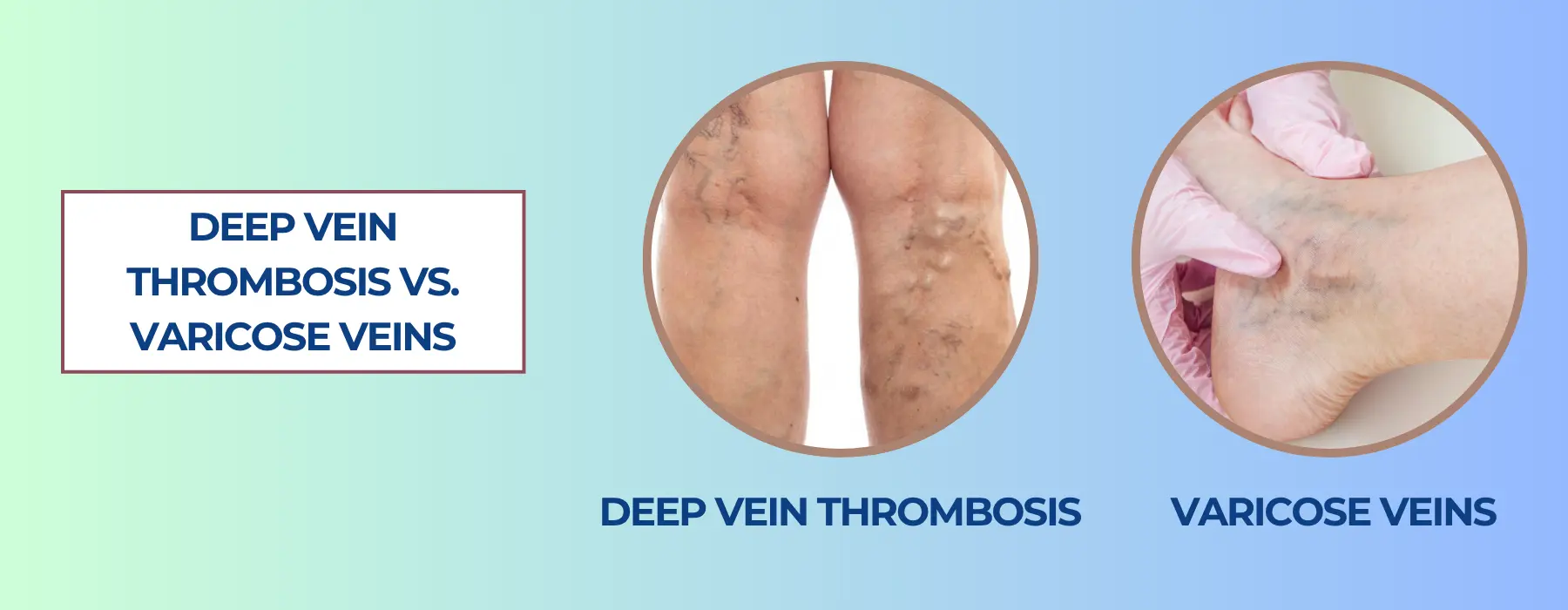
explore Deep Vein Thrombosis vs. Varicose Veins, their causes, symptoms, risks, and treatment options

deep-vein-thrombosis-vs-varicose-veins

Venous disorders can manifest in dramatically different ways—from harmless‑looking purple lines on the surface of the skin to life‑threatening clots deep within the leg. Two of the most common and widely misunderstood conditions are varicose veins and deep vein thrombosis (DVT). People frequently confuse the two or assume that varicose veins inevitably lead to DVT.

In this Article, we’ll explore “Deep Vein Thrombosis vs. Varicose Veins”—highlighting their causes, symptoms, risks, and treatment options—so you can recognise each condition quickly and seek the right help. Throughout the article, you’ll find expert insights from Dr. Santosh Patil – Best Vascular Surgeon in Pune to clarify myths and provide actionable advice.

What Are Varicose Veins?

Varicose veins are enlarged, twisted superficial veins most commonly seen in the legs. They develop when the one‑way valves inside the veins become weak or damaged, allowing blood to flow backward (venous reflux) and pool. Over time, the vein walls stretch, creating the familiar bulging, rope‑like appearance.

Key Points
  • Often hereditary but worsened by prolonged standing, pregnancy, and obesity.
  • Typically present with heaviness, aching, itching, or restless legs—especially after long days on your feet.
  • Complications include skin discoloration, eczema, and in severe cases venous ulcers.

What Is Deep Vein Thrombosis?

Deep vein thrombosis occurs when a blood clot (thrombus) forms in a deep vein, usually in the lower limb. The clot can partially or completely block venous return, causing sudden pain and swelling. If a fragment breaks free, it can travel to the lungs and create a pulmonary embolism—a potentially fatal event.

Risk Factors
  • Recent surgery or trauma
  • Immobility (long flights, bed rest)
  • Cancer and chemotherapy
  • Oral contraceptives or hormone therapy
  • Smoking and dehydration
  • Inherited clotting disorders

Shared and Divergent Causes

While both conditions involve impaired venous circulation, their underlying triggers differ.

Shared Contributors
  • Ageing Veins – Natural loss of elasticity.
  • Sedentary Lifestyle – Slow blood flow encourages reflux or clotting.
  • Obesity – Extra pressure on leg veins increases risk of both conditions.
Distinct Triggers
  • Hormonal Changes (Pregnancy, Menopause) – More relevant to varicose veins due to valve laxity.
  • Major Surgery or Trauma – Critical for DVT due to vessel wall injury and immobility.

Symptom Checker: How to Tell Them Apart

Signs of Varicose Veins
  • Visible bulging or twisted veins
  • Dull aching after standing
  • Calf or ankle itching
  • Night‑time leg cramps
  • Symptoms improve with leg elevation
Warning Signs of Deep Vein Thrombosis
  • Sudden, unexplained calf pain or tenderness
  • One leg noticeably swollen or tight
  • Skin warm, red, or bluish
  • Pain worsens when flexing foot (Homan’s sign)
  • Shortness of breath or chest pain (indicates embolism—call emergency services)

Important: Not all DVTs cause dramatic symptoms; up to 50% are silent. If you have risk factors and subtle swelling, seek urgent medical advice.

Treatment: Medical vs. Cosmetic vs. Emergency

Treatment of Varicose Veins
  1. Conservative Measures
    – Graduated compression stockings
    – Leg elevation breaks
    – Exercise and weight control

  2. Minimally Invasive Procedures
    – Endovenous laser ablation (EVLA)
    – Radiofrequency ablation (RFA)
    – Ultrasound‑guided foam sclerotherapy
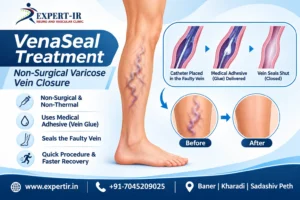
    – VenaSeal™ medical adhesive closure

Treatment of Deep Vein Thrombosis
  1. Anticoagulation (first‑line)
    – Low‑molecular weight heparin, warfarin, or DOACs
    – Prevents clot extension and embolism

  2. Thrombolysis or Thrombectomy
    – In massive iliofemoral DVT or limb‑threatening cases

Emergency Note: Suspected DVT with chest pain or breathlessness = call ambulance immediately.

Prevention Strategies

Varicose Veins
  • Avoid prolonged standing
  • Use compression hosiery if pregnant or a flight attendant
  • Maintain healthy weight and active lifestyle
Deep Vein Thrombosis
  • Walk and hydrate during long flights
  • Early mobilisation after surgery
  • Discuss prophylactic anticoagulants with your doctor if high‑risk

When it comes to vascular care in Pune, Dr. Santosh Patil stands out as a trusted name in the diagnosis and treatment of both superficial and deep venous conditions. With extensive experience in managing varicose veins and deep vein thrombosis (DVT), he brings a dual perspective—medical precision with a commitment to patient wellness.

What makes his approach unique is his ability to distinguish between conditions that often appear similar but require completely different treatments. Dr. Patil’s clinic is equipped with high-end venous Doppler ultrasound systems, allowing for accurate, same-day diagnosis of both DVT and chronic venous insufficiency.

Real Results, Real Recovery

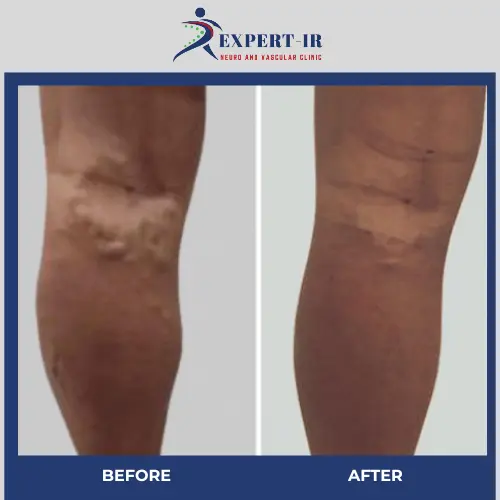
Using advanced, minimally invasive procedures like laser ablation, radiofrequency treatment, or sclerotherapy, he restores proper blood flow and relieves the pressure that caused the ulcer to form.

Within weeks, the open wound starts closing. Swelling reduces. The skin regains its texture and color. Patients often describe how, for the first time in years, they sleep peacefully without pain. Most importantly, they return to their daily routines—walking comfortably, wearing normal footwear again, and regaining confidence.

What once looked like a never-healing wound transforms into healthy, scar-free skin. And unlike temporary solutions, these results last—because the vein disease has been permanently treated.

varicose veins before after results

For More Details Visit Our Channel

Conclusion

If you’re experiencing unexplained leg discomfort, visible bulging veins, or sudden swelling, don’t wait for complications. Book a consultation with Dr. Santosh Patil – Best Vascular Surgeon in Pune. With modern & latest diagnostics and minimally invasive treatments, he provides comprehensive solutions—from cosmetic vein removal to life‑saving DVT management.

Protect your legs, preserve your life: get the right diagnosis today.

Book your consultation with Dr. Santosh Patil – Best Vascular Surgeon in Pune, and take the first confident step toward pain-free, vein-healthy living.
You can also Read This

Varicose Vein Treatment Comparison

Laser vs VenaSeal vs Sclerotherapy for Varicose Veins

Choosing between Laser, VenaSeal and Sclerotherapy for varicose veins depends on the size of the affected veins, Doppler scan results, treatment cost and recovery time. Compare how each procedure works, its benefits, possible side effects and suitability. Learn about the best varicose vein treatment options and their costs in India with Dr. Santosh Patil at Expert IR Neuro & Vascular Clinic, Pune

Read More »
VenaSeal Varicose Vein Treatment Guide

VenaSeal Treatment in India | Cost, Procedure, Risks

VenaSeal treatment is a minimally invasive, non-thermal procedure that uses medical-grade adhesive to seal faulty veins and treat varicose veins. Learn how the procedure works, who is a suitable candidate, its benefits, recovery time, possible risks and treatment cost in India. Discover whether VenaSeal is the right option for you at Expert IR Neuro & Vascular Clinic, Pune.

Read More »
Leg Doppler Test_ Benefits and Uses

Leg Circulation Doppler Test in Pune | Benefits, Uses & When to Get It

A leg circulation Doppler test is a painless, non-invasive ultrasound scan that checks blood flow through the arteries and veins in your legs. Learn how it helps detect blocked arteries, blood clots, varicose veins and poor circulation, along with its benefits, procedure, preparation and when you should get tested. Discover expert vascular evaluation at Expert IR Neuro & Vascular Clinic in Pune.

Read More »