Can Young Adults Develop Varicose Veins? Causes, Symptoms & Treatment
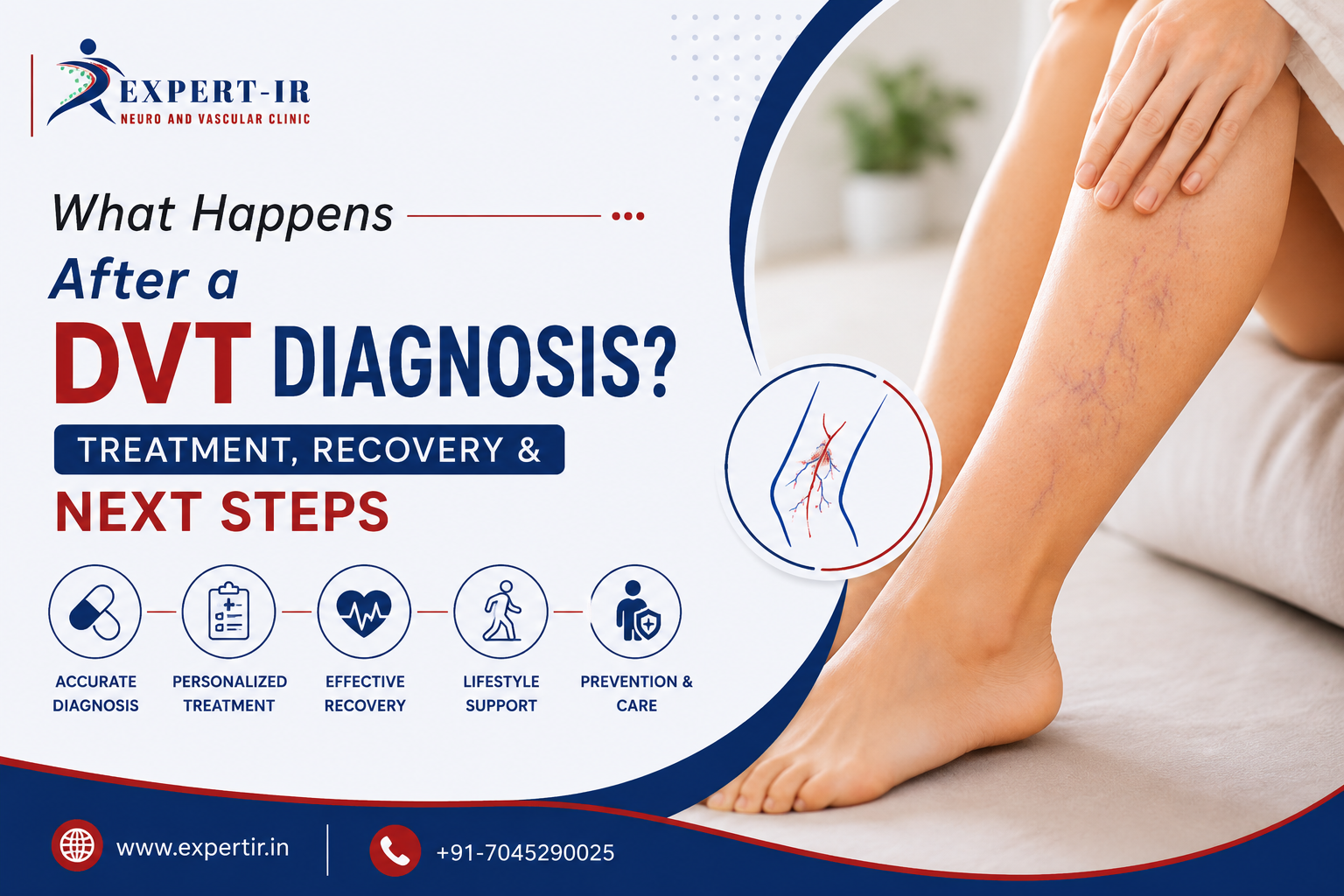
For many people, varicose veins are considered a condition that only affects older adults. However, vascular specialists are increasingly diagnosing varicose veins in people in their 20s and 30s. While aging remains an important risk factor, young adults are not immune to vein disease.
If you have noticed bulging veins, aching legs, heaviness, or swelling at a young age, it’s important not to ignore these symptoms. Early diagnosis can prevent the condition from progressing into chronic venous insufficiency and other complications.
In this article, we’ll explain why young adults develop varicose veins, the warning signs to watch for, and the most effective treatment options available today.
Can Varicose Veins Occur in Your 20s or 30s?
Yes.
Although varicose veins become more common with age, they can develop much earlier when certain risk factors are present.
Many patients in their twenties and thirties experience early vein disease because of:
- Genetic predisposition
- Sedentary lifestyle
- Long working hours
- Obesity
- Pregnancy
- Hormonal changes
The disease develops gradually, often beginning years before visible veins appear.
Why Do Young Adults Get Varicose Veins?
1. Family History (The Biggest Risk Factor)
Genetics plays the largest role.
If one or both parents have varicose veins, the likelihood of developing the condition at a younger age increases significantly.
Inherited weakness in vein walls or valves allows blood to flow backward more easily.
2. Sitting for Long Hours
Many young professionals spend 8–10 hours sitting at a desk.
Lack of calf muscle movement reduces the natural pumping action that helps blood return to the heart, increasing pressure inside leg veins.
3. Standing Jobs
People working as:
- Teachers
- Surgeons
- Nurses
- Retail staff
- Hairdressers
- Factory workers
stand for prolonged periods every day, placing continuous stress on the leg veins.
4. Obesity
Excess body weight increases pressure inside abdominal and leg veins, accelerating valve damage.
Even moderate weight gain can worsen symptoms in genetically predisposed individuals.
5. Intensive Gym Training
Heavy weightlifting alone does not directly cause varicose veins, but repeated increases in abdominal pressure during lifting may worsen existing venous weakness.
Proper breathing techniques and balanced exercise can reduce unnecessary strain.
6. Pregnancy & Hormonal Changes
Young women often develop their first varicose veins during pregnancy because:
- Blood volume increases
- Hormones relax vein walls
- The growing uterus compresses pelvic veins
Hormonal contraceptives may also contribute in some individuals with existing vein weakness.
Early Symptoms Young Adults should not Ignore
Visible bulging veins are not always the first symptom.
Early warning signs include:
- Leg heaviness after work
- Night leg cramps
- Swollen ankles
- Burning sensation
- Itching around veins
- Spider veins
- Restless legs
- Tired legs despite adequate rest
Ignoring these symptoms may allow the disease to progress silently.
How Are Varicose Veins Diagnosed?
The best diganosis for varicose veins is a Venous Doppler Ultrasound.
It helps to identify:
- Faulty vein valves
- Venous reflux
- Blood flow abnormalities
- Disease severity
Accurate diagnosis ensures the right treatment plan.
Best Treatment for Young Adults with Varicose Veins
Treatment depends on symptom severity and Doppler findings.
Lifestyle Changes
For mild disease:
- Daily walking
- Weight management
- Avoid prolonged sitting
- Leg elevation
- Compression stockings
These reduce symptoms but cannot repair damaged vein valves.
Endovenous Laser Ablation (EVLA)
Laser treatment seals the diseased vein from within, eliminating venous reflux.
Benefits include:
- Day-care procedure
- No major surgery
- Minimal pain
- Quick recovery
- Excellent long-term success
Radiofrequency Ablation (RFA)
RFA uses controlled heat energy to close faulty veins with minimal discomfort.
VenaSeal (Glue Treatment)
VenaSeal uses a specially designed medical adhesive to permanently seal the affected vein.
Advantages include:
- No heat
- Minimal injections
- Faster recovery
- Minimal post-procedure discomfort
- Compression stockings may not be required in selected patients
How Expert IR Neuro & Vascular Clinic Helps Young Patients
At Expert IR Neuro & Vascular Clinic, every patient undergoes a detailed Doppler ultrasound to identify the exact cause of symptoms.
Based on the findings, Dr. Santosh Patil, vascular surgeon in Pune offers personalized treatment using advanced minimally invasive techniques such as:
- Endovenous Laser Ablation (EVLA)
- Radiofrequency Ablation (RFA)
- VenaSeal Glue Treatment
The focus is on treating the underlying venous reflux, relieving symptoms, and preventing future complications while helping patients return quickly to their normal routine.
Conclusion
Varicose veins are no longer considered a condition that affects only older adults. Genetics, lifestyle, prolonged sitting or standing, obesity, and pregnancy can all contribute to the development of varicose veins in young adults.
The earlier the condition is diagnosed, the easier it is to manage and the lower the risk of long-term complications. If you experience persistent leg heaviness, swelling, or visible veins at a young age, seeking a vascular evaluation can help protect your long-term vein health.
Frequently Asked Questions (FAQs)
Yes. Genetics, prolonged sitting or standing, obesity, pregnancy, and hormonal changes can cause varicose veins even in people in their 20s.
Modern lifestyles involving desk jobs, reduced physical activity, obesity, and long working hours contribute to earlier vein disease.
Exercise itself does not cause varicose veins. However, heavy weightlifting may worsen existing vein weakness in susceptible individuals.
Sometimes. Spider veins may appear before larger varicose veins, especially in people with underlying venous insufficiency.
No. Lifestyle changes help reduce symptoms but cannot repair damaged vein valves. Medical treatment is needed to correct venous reflux.
Minimally invasive treatments such as Laser Ablation (EVLA), Radiofrequency Ablation (RFA), and VenaSeal Glue Treatment provide effective, long-term relief with minimal downtime.
Yes. Untreated varicose veins can progress to chronic venous insufficiency, skin changes, blood clots, and venous ulcers over time.