What Is an AVM? Arteriovenous Malformation Symptoms, Causes & Treatment
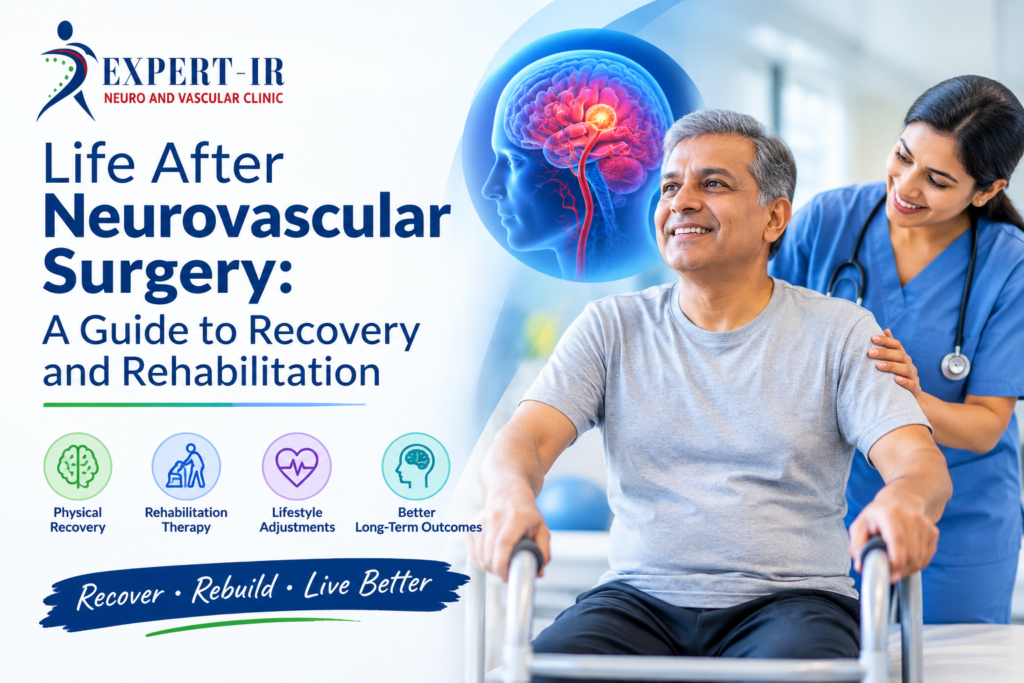
Waking up after neurovascular surgery, whether it was performed to treat a brain aneurysm, an arteriovenous malformation (AVM), or another cerebrovascular condition, often brings a mix of relief and uncertainty. The surgery is behind you, but a new question takes over: what happens now?
Recovery after neurovascular surgery is rarely a straight line. It depends on the condition that was treated, the type of procedure performed, your overall health before surgery, and how your body and brain respond to treatment. At Expert-IR Neuro and Vascular Clinic, we’ve guided hundreds of patients through this exact journey, and one thing has become clear over the years: patients and families who understand what to expect tend to recover with more confidence and fewer setbacks.
This guide walks you through the recovery timeline, rehabilitation options, common challenges, and practical steps to help you or your loved one return safely to daily life.
What to Expect After Neurovascular Surgery
Hospital Recovery
Immediately after surgery, you’ll typically be monitored in an intensive care unit or a specialized neuro-observation ward for a short period. This close monitoring allows the medical team to watch for any early complications, manage pain, and track your neurological status through regular checks.
Early Symptoms and Fatigue
It’s completely normal to feel more tired than usual in the days following neurovascular surgery. Mild headaches, grogginess, and reduced stamina are common as the brain and body begin to heal. This fatigue isn’t a sign that something is wrong; it’s part of the natural healing process and usually improves gradually.
Monitoring and Follow-Up
Before discharge, your care team will typically arrange follow-up imaging and neurological assessments. These appointments are important for confirming that healing is progressing as expected and for catching any issues early.
Neurovascular Surgery Recovery Timeline
Every patient heals at a different pace, but here’s a general framework many patients follow:
First Few Days: Rest is the priority. Most activity is limited to short, supervised walks and basic self-care as tolerated.
First Few Weeks: Energy levels slowly begin to improve. Many patients start light rehabilitation exercises and gradually increase their activity at home.
1-3 Months: This is often when noticeable improvements occur in strength, balance, concentration, and independence with daily tasks. Many patients also begin transitioning back to light work or routine responsibilities during this window, depending on their doctor’s guidance.
Longer-Term Recovery: For some patients, especially those who experienced neurological deficits before or after surgery, recovery can continue for six months to a year or longer. Steady, gradual progress, rather than a fixed deadline, is the realistic goal.
Your neurointerventional team will personalize this timeline based on your specific diagnosis and procedure, so always treat these as general guidelines rather than a strict schedule.
Rehabilitation After Neurovascular Surgery
Rehabilitation plays a central role in helping patients regain independence and function. Depending on your individual needs, your team may recommend one or more of the following:
Physical Therapy
Physical therapy focuses on rebuilding strength, coordination, and balance. This is especially important if the surgery or underlying condition affected mobility or motor control.
Occupational Therapy
Occupational therapists help patients relearn everyday tasks, such as dressing, cooking, and bathing, with strategies and, if needed, adaptive tools that support independence.
Speech and Language Therapy
If the area of the brain involved affected speech or swallowing, a speech-language pathologist can help patients regain clear communication and safe eating and drinking habits.
Cognitive Rehabilitation
Some patients experience temporary or longer-term changes in memory, attention, or problem-solving after neurovascular surgery. Cognitive rehabilitation uses structured exercises to help strengthen these skills over time.
Not every patient needs all four types of therapy; your rehabilitation plan should be tailored specifically to your symptoms and recovery goals.
Managing Common Challenges During Recovery
Recovery isn’t only physical. Patients commonly report a combination of the following challenges:
- Fatigue that comes on more quickly than before surgery
- Headaches, which are common initially and usually ease with time
- Weakness or balance problems, particularly if motor pathways were involved
- Concentration and memory changes, sometimes described as “brain fog”
- Emotional changes, including anxiety, frustration, or low mood, which are a normal response to a major health event
Being aware that these challenges are common, and not a sign of failure, can make them easier to cope with. Open communication with your care team about any new or worsening symptoms is essential.
Returning to Daily Activities
Walking and Exercise
Gentle movement, guided by your physical therapist, is usually encouraged early on. Activity levels should increase gradually, based on your doctor’s clearance.
Work or School
Timing varies widely: some patients return within a few weeks, others need several months. This decision should always be made in consultation with your treating physician.
Driving
Most doctors advise waiting until neurological function, reaction time, and any residual symptoms (like dizziness or vision changes) have sufficiently improved before resuming driving.
Household Activities
Start with light tasks and slowly build back up. Overexertion in the early weeks can slow recovery, so pacing yourself is important.
Social Activities
Reconnecting with friends and family, even in small doses, can support emotional well-being during recovery. Don’t hesitate to ease back in at a comfortable pace.
Nutrition and Lifestyle After Surgery
Good nutrition supports healing. A balanced diet rich in protein, fruits, vegetables, and whole grains, along with adequate hydration, can aid tissue repair and energy levels. Prioritizing quality sleep and following your care team’s guidance on activity levels, medications, and any lifestyle modifications (such as blood pressure control or smoking cessation) can meaningfully support long-term vascular health.
Importance of Follow-Up Care
Follow-up care is not optional; it’s a core part of the recovery process. Regular neurological assessments, follow-up imaging, medication reviews, and rehabilitation check-ins allow your care team to track healing, adjust treatment as needed, and catch potential complications early. Skipping these appointments, even when you’re feeling well, can mean missing early warning signs.
When to Contact Your Doctor
Certain symptoms after neurovascular surgery warrant immediate medical attention. Contact your doctor or seek emergency care if you experience:
- A sudden, severe headache unlike previous ones
- New weakness or numbness, especially on one side of the body
- Seizures
- Confusion or sudden difficulty speaking
- Sudden vision changes
- Any other new or rapidly worsening neurological symptom
When in doubt, it’s always safer to reach out to your care team than to wait and see.
Tips for Caregivers During Recovery
Caregivers play a vital role in a patient’s recovery journey. A few practical tips:
- Keep a simple log of symptoms, medications, and appointments
- Encourage, but don’t force, rehabilitation exercises
- Watch for warning signs and know when to seek help
- Be patient with mood changes or slower-than-expected progress
- Take care of your own wellbeing too, so you can sustain support over time
Dr. Santosh B. Patil is the Director and Chief Vascular Interventional Radiologist in Pune at Expert-IR Neuro and Vascular Clinic.
Conclusion
Recovery after neurovascular surgery is a deeply individual process, shaped by your diagnosis, the procedure performed, and your body’s own healing pace. While the journey can feel overwhelming at first, structured rehabilitation, consistent follow-up care, and support from both your medical team and loved ones can make a meaningful difference in how smoothly you transition back to daily life.
If you or a family member has recently undergone neurovascular surgery and have questions about your recovery plan, our team at Expert-IR Neuro and Vascular Clinic is here to help guide you through every stage of the journey, from diagnosis to full recovery.
Read Blog
What Is an AVM? Arteriovenous Malformation Symptoms, Causes & Treatment
Frequently Asked Questions (FAQs)
Recovery timelines vary, but many patients see significant improvement within 1–3 months, while full recovery can take up to a year depending on the complexity of the condition treated.
Yes, many patients return to their normal routines, including work and daily activities, though the pace and extent of recovery depend on individual factors.
Light activity is often encouraged early on under medical guidance, with a gradual increase in intensity as cleared by your doctor and physical therapist.
Not every patient requires the same level of rehabilitation, but many benefit from physical, occupational, speech, or cognitive therapy to support a fuller recovery.
This depends on the nature of your job and your recovery progress: some patients return within weeks, others need a few months. Always confirm timing with your doctor.
Yes, fatigue is one of the most common experiences after neurovascular surgery and typically improves gradually over the following weeks.
Most patients require periodic follow-up scans to confirm healing and monitor for any recurrence or complications.
Yes, anxiety, frustration, or low mood are common responses to major surgery and often improve with time, support, and, if needed, professional guidance.
Consider an evaluation if you have persistent swelling, leg heaviness, aching, recurrent night cramps, increasingly prominent veins, skin changes, bleeding, or a wound around the ankle that is not healing.
Prolonged inactivity can aggravate symptoms and contribute to venous pooling. If significant venous reflux is already present, however, changing your sitting routine alone may not stop the underlying disease.
This depends on your neurological recovery and should only be resumed once cleared by your treating physician.