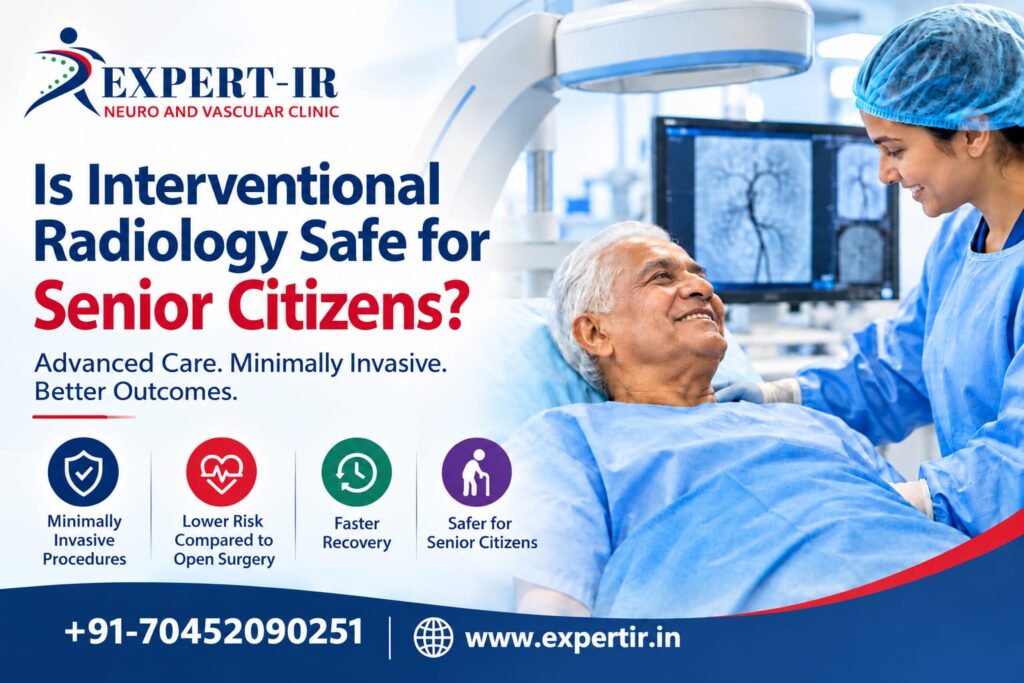
Is Interventional Radiology Safe for Senior Citizens?
Many families delay treatment for an elderly parent because they fear open surgery. Anaesthesia risks, long hospital stays and slow recovery make that fear reasonable, especially when the problem is something like varicose veins that need more than simple home care.
This is where interventional radiology changes the conversation. Instead of large incisions, an interventional radiologist treats the problem through a tiny puncture, guided by live imaging. The same principle is used in uterine fibroid embolization, a well-known non-surgical alternative to major surgery.
So is it safe for people aged 60, 70 or 80 and above? In most cases, yes, when the patient is selected and prepared properly. This article explains why, which risks matter, and how a specialist decides if the treatment suits your parent.
Is Interventional Radiology Safe for Seniors?
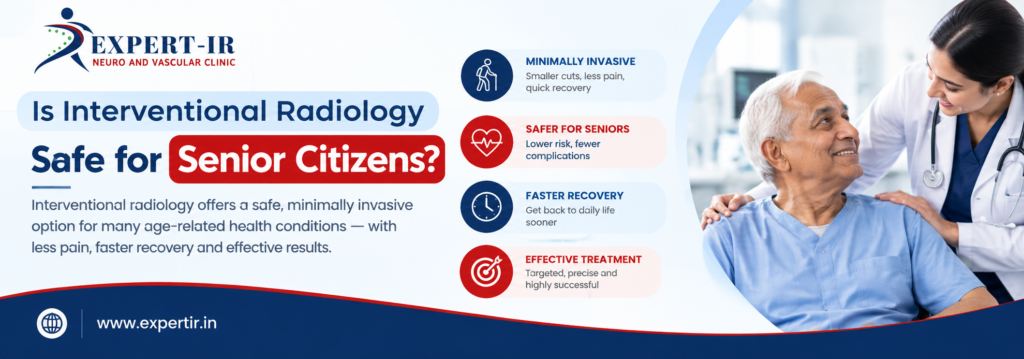
Yes, in most cases. Interventional radiology (IR) uses a needle-sized puncture, imaging guidance and usually light sedation instead of general anaesthesia. This lowers stress on the heart, lungs and kidneys. For many seniors who are not fit for open surgery, IR is often the safer choice. Safety still depends on overall health, medicines and the specific procedure.
What Is Interventional Radiology?
If you are asking what interventional radiology is?, here is the simple answer. It is a medical specialty that combines imaging and treatment. Doctors use X-ray (fluoroscopy), ultrasound or CT to see inside the body in real time. They then pass thin catheters, wires, balloons or stents to the problem area.
An interventional radiologist is a doctor who completes radiology training and then specialises further in image-guided procedures. People also search for this doctor as an interventional doctor. The role is different from a diagnostic radiologist, who mainly reads scans.
The result is a treatment that often needs no cuts, no stitches, and no long hospital stay.
How Interventional Radiology Suits Older Adults
Ageing changes how the body handles stress. Seniors often live with diabetes, high blood pressure, heart disease or reduced kidney function. IR helps in several ways.
Smaller Access Points, Lower Physical Stress
Most procedures use a puncture at the wrist, groin or a small skin site. There is minimal blood loss and less tissue trauma. This matters greatly for frail patients.
Sedation Instead of General Anaesthesia
Many interventional radiology procedures are done under local anaesthesia with mild sedation. The patient stays comfortable and breathes on their own. General anaesthesia can bring higher risk in older adults, including confusion after surgery, so avoiding it is a real advantage.
Shorter Recovery
Many patients walk within hours and go home the same day or the next day. Shorter bed rest also lowers the risk of clots, bedsores and loss of muscle strength, which are major concerns in elderly care.
A Real Option When Surgery Is Too Risky
For some seniors, open surgery is not advisable because of heart or lung conditions. IR often gives them a treatment path they would otherwise not have.
Most Common Interventional Radiology Procedures in Senior Citizens
The most common interventional radiology procedures seen in older patients include:
- Angiography and angioplasty: X-ray mapping of arteries, and balloon opening of blocked vessels
- Stent placement: A small mesh tube that keeps a narrowed vessel open
- Embolization: Blocking blood flow to stop bleeding or shrink a problem area
- Varicose vein closure: Sealing or heating faulty leg veins
- Prostate artery embolization: A non-surgical option for an enlarged prostate (BPH)
- Image-guided biopsy: Taking tissue with a needle instead of surgery
- Tumour treatment: Delivering chemotherapy or heat directly to a tumour, such as in liver cancer
- Clot treatment and IVC filters: Managing deep vein thrombosis (DVT) and preventing clots reaching the lungs
- Feeding tube and drain placement: Supportive care for patients who cannot eat normally or need fluid drained
Vascular Interventional Radiology for Seniors
Vascular interventional radiology deals with diseases of the arteries and veins. This is where seniors benefit the most, because circulation problems rise with age.
Common conditions include:
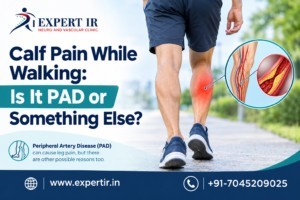
- Peripheral artery disease (PAD): Blocked leg arteries causing pain while walking
- Diabetic foot and leg ulcers: Poor blood flow that stops wounds from healing
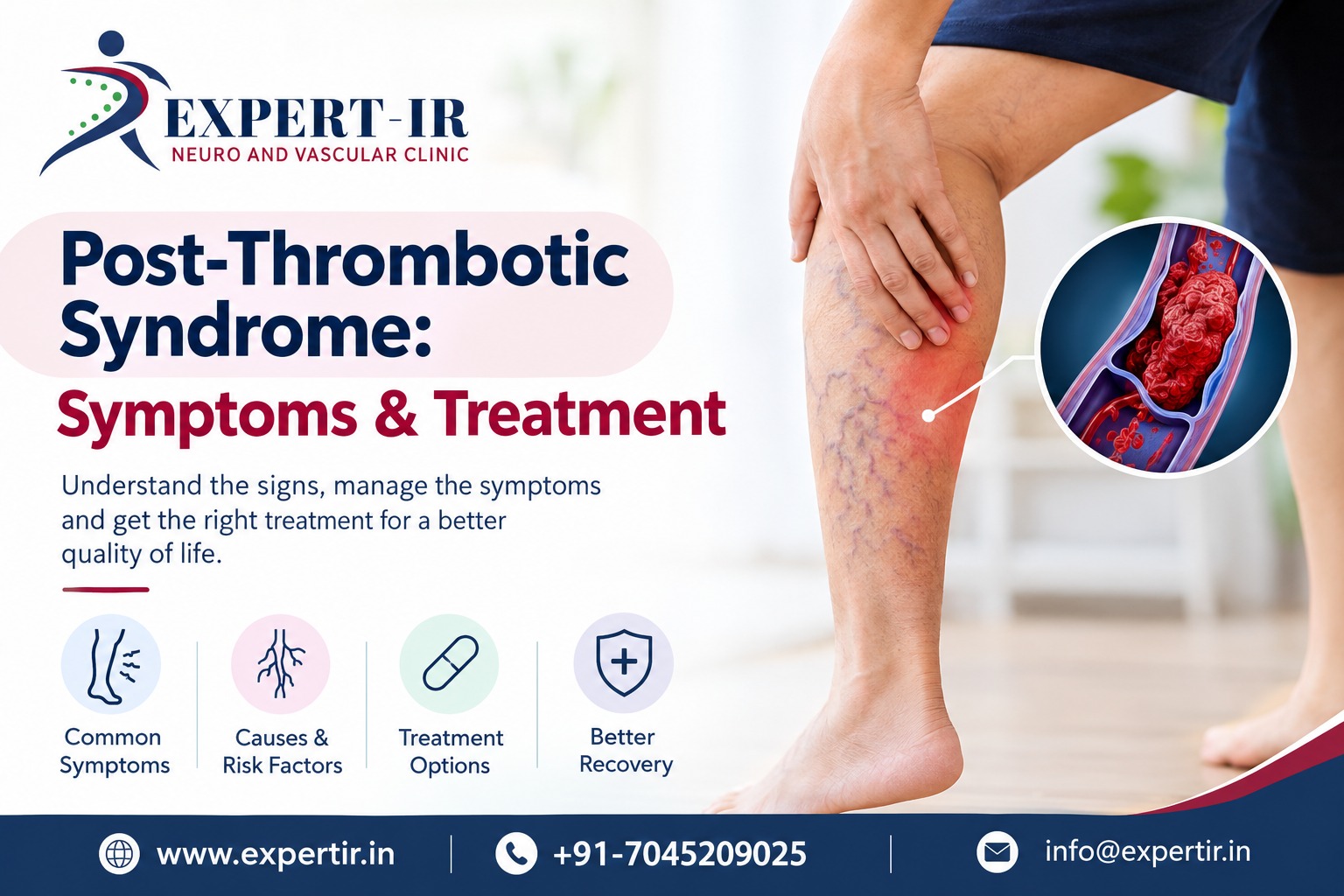
- Deep vein thrombosis: Clots in the leg veins
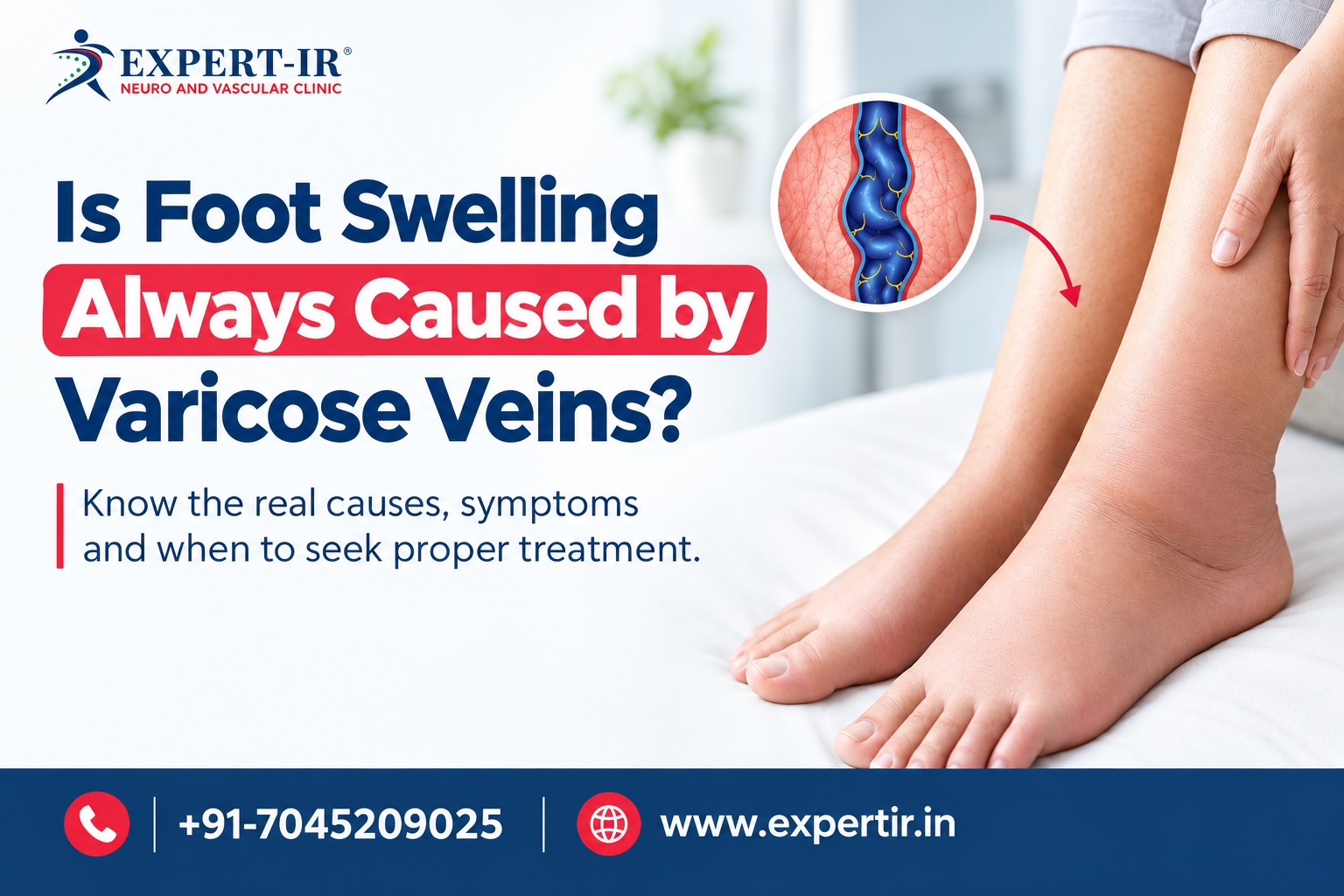
- Varicose veins and venous ulcers: Swelling, skin darkening and non-healing sores
Restoring blood flow early can help save a limb and protect independence. If your parent has cramping leg pain on walking, read about peripheral arterial disease treatment and its warning signs. To understand the wider field, our guide to a vascular specialist in Pune explains how minimally invasive vascular care works.
Varicose veins deserve a special mention. Many seniors ignore leg heaviness for years until skin changes or ulcers appear. Modern glue and laser techniques need no stripping surgery. You can read about the varicose vein treatment options in Pune and how the choice is matched to each patient. Families also ask about pricing, and a separate page covers the cost of varicose vein treatment in detail.
What Are the Risks?
No treatment is risk free, and honesty builds trust. IR complications are uncommon, but seniors should know the main ones.
Kidney Strain From Contrast Dye
Many procedures use contrast dye to make vessels visible. In patients with weak kidneys, dye can cause further strain. We check kidney function (creatinine and eGFR) beforehand, adjust dye volume and ensure good hydration.
Bleeding, Especially With Blood Thinners
Many seniors take aspirin, clopidogrel or warfarin. These medicines may need adjustment before the procedure. Never stop them on your own. The decision should involve your cardiologist and your interventional radiologist together.
Bruising or Vessel Injury at the Puncture Site
A small bruise at the wrist or groin is common. Serious vessel injury is rare, and ultrasound guidance reduces this risk further. Wrist (radial) access can also lower bleeding risk in suitable patients.
Reaction to Dye or Medicines
Allergy to contrast is uncommon but possible. Telling your doctor about past reactions allows safe preparation.
Heart and Lung Conditions
Sedation is lighter than general anaesthesia, yet patients with severe heart or breathing problems still need careful monitoring. A pre-procedure assessment handles this.
How an Interventional Radiologist Decides if Your Parent Is a Candidate
Age alone should never decide the answer. Biological fitness matters more than the birth date. Here is what a careful evaluation covers:
- Full history: Diabetes, heart disease, stroke, kidney disease and past surgeries
- Medicine review: Blood thinners, diabetes tablets, blood pressure drugs and supplements
- Blood tests: Kidney function, clotting profile, haemoglobin and blood sugar
- Imaging review: Doppler, CT or MR angiography to plan the safest route
- Frailty and mobility check: Can the patient lie still and follow simple instructions?
- Family discussion: Goals, expectations and realistic outcomes
Sometimes the honest advice is that IR is not the right option. A good specialist will say so.
Preparation Checklist for Seniors and Caregivers
Small steps improve safety and comfort:
- Bring all reports, prescriptions and previous scans
- Carry a written list of every medicine and allergy
- Follow fasting instructions exactly
- Drink fluids as advised, unless restricted for heart or kidney reasons
- Arrange a family member to stay and assist after the procedure
- Report fever, swelling, bleeding or new pain at the puncture site immediately
Experience Matters: Why the Doctor's Training Counts
Safety in IR depends heavily on the operator. Precise navigation, judgement about when to stop and skill in handling complications all come from training and case volume.
Dr. Santosh B. Patil, Director and Chief Vascular Interventional Radiologist at Expert-IR Neuro and Vascular Clinic, holds MBBS, DMRD, DNB, FNVIR and EBIR (European Board Certified) qualifications. He trained at Lokmanya Tilak Municipal Medical College (Sion Hospital), Mumbai, and Kovai Medical Center and Hospital, Coimbatore, under pioneers of interventional radiology in India. He is known for his expertise in Venaseal treatment for varicose veins, and treats conditions such as uterine fibroids, enlarged prostate, varicocele, DVT, leg ulcers, diabetic foot, stroke, liver cancer, and thyroid nodules using non-surgical techniques.
In Santosh’s practice, He have seen elderly patients with leg ulcers and blocked arteries return to walking without the ordeal of major surgery. Careful selection, honest counselling and gentle technique make that possible.
When Should a Senior See an Interventional Radiologist?
Consider a consultation if your parent has:
- Leg pain when walking that eases with rest
- Non-healing foot or leg wounds
- Swollen, painful or discoloured legs
- Frequent urinary trouble from an enlarged prostate
- A liver or other tumour where surgery is risky
- Repeated bleeding that other treatments have not controlled
Early assessment often gives more options and better outcomes.
Conclusion
Interventional radiology has made effective treatment possible for many seniors who were once told they were too old or too frail. Good outcomes come from three things: the right patient selection, careful preparation, and an experienced interventional radiologist.
If a parent or loved one is facing a vascular, urological, or tumour-related problem, an early consultation can clarify the safest path.
Book a consultation at Expert-IR Neuro and Vascular Clinic, Pune: +91-7045209025
Frequently Asked Questions (FAQs)
No fixed limit exists. Doctors look at biological fitness, not the birth date. A healthy 85-year-old may be a better candidate than a frail 65-year-old, so the decision rests on heart, kidney and lung function, medicines and the specific procedure.
A surgeon treats the problem through an open incision. An interventional radiologist uses live imaging such as X-ray, ultrasound, or CT to guide thin catheters, wires, or needles to the problem area through a small puncture. In many cases, this means no large cuts and no stitches.
Most patients feel little pain. The puncture site is numbed with local anaesthesia, and mild sedation keeps the patient relaxed. Some soreness or bruising at the puncture site afterwards is common and settles within a few days.
Often yes, with precautions. Before the procedure, the doctor checks kidney function (creatinine and eGFR), keeps the contrast dye volume as low as possible and makes sure the patient is well hydrated. In some cases, imaging methods that need little or no dye can be used instead.
Common examples include blocked leg arteries (peripheral artery disease), diabetic foot and leg ulcers, varicose veins, deep vein thrombosis, an enlarged prostate, uterine fibroids in older women and certain liver tumours. Image-guided biopsies and feeding tube or drain placement are also frequent.
Never stop them on your own. Medicines like aspirin, clopidogrel or warfarin may need adjusting, but stopping them suddenly can raise the risk of clots or stroke. The interventional radiologist and your parent’s cardiologist should decide this together.
Complications are uncommon, but the main ones are kidney strain from contrast dye, bleeding (especially with blood thinners), bruising or vessel injury at the puncture site, and reactions to dye or medicines. Proper screening, careful technique and monitoring reduce these risks.
It can. Poor blood flow is often why diabetic foot ulcers fail to heal. Angioplasty or stenting can reopen blocked arteries and bring more blood to the wound, which can support healing and may help avoid amputation. Early assessment gives the best chance of saving the limb.