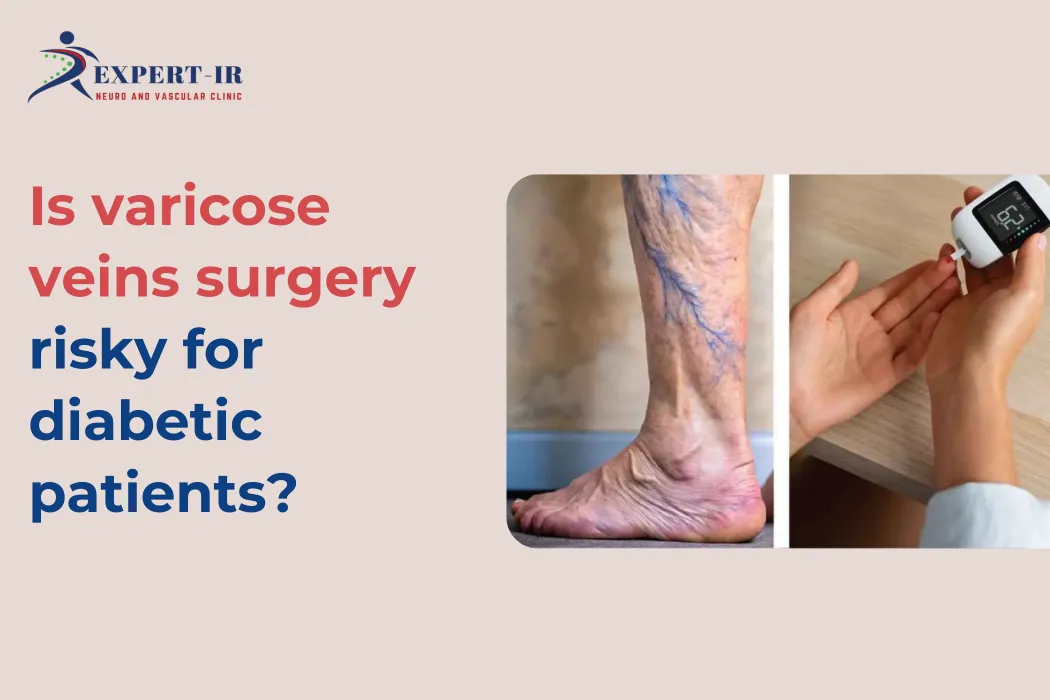
Who Should Avoid Varicose Veins Surgery? Non-Surgical Options

Who Should Avoid Varicose Veins Surgery? Non-Surgical Options

Varicose veins are more than a cosmetic concern. They can cause pain, swelling, heaviness, skin changes, and long-term complications if left untreated. For many years, open varicose veins surgery was considered the standard treatment. However, medical science has evolved, and today, surgery is no longer the best or safest option for everyone.

In fact, many patients should avoid varicose veins surgery altogether due to health risks, prolonged recovery, or better non-surgical alternatives. Understanding who should not undergo surgery—and what safer options exist—can help patients make informed, confident decisions.

What Is Varicose Veins Surgery?

Traditional varicose veins surgery, commonly known as vein stripping or ligation, involves removing or tying off faulty veins through surgical incisions. It usually requires spinal or general anesthesia, stitches, and a longer recovery period.

While surgery may still be appropriate in select cases, it is increasingly being replaced by minimally invasive, non-surgical treatments that offer faster recovery and fewer complications.

Who Should Avoid Varicose Veins Surgery

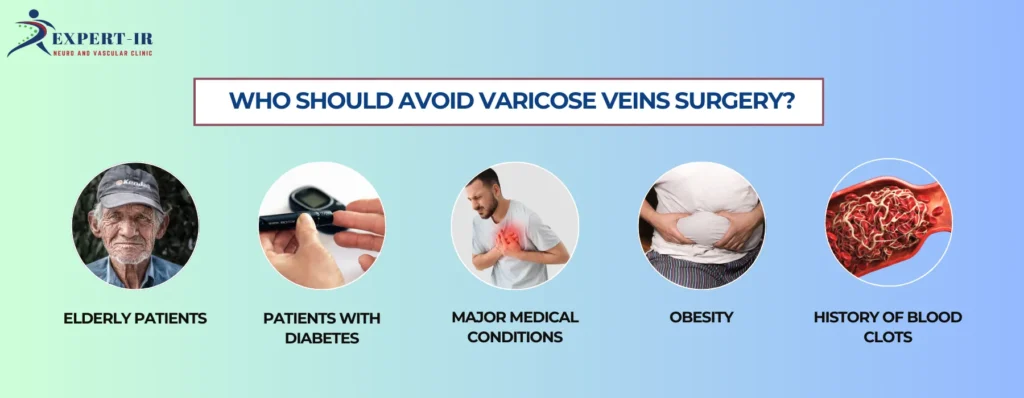
Who Should Avoid Varicose Veins Surgery?

Elderly Patients

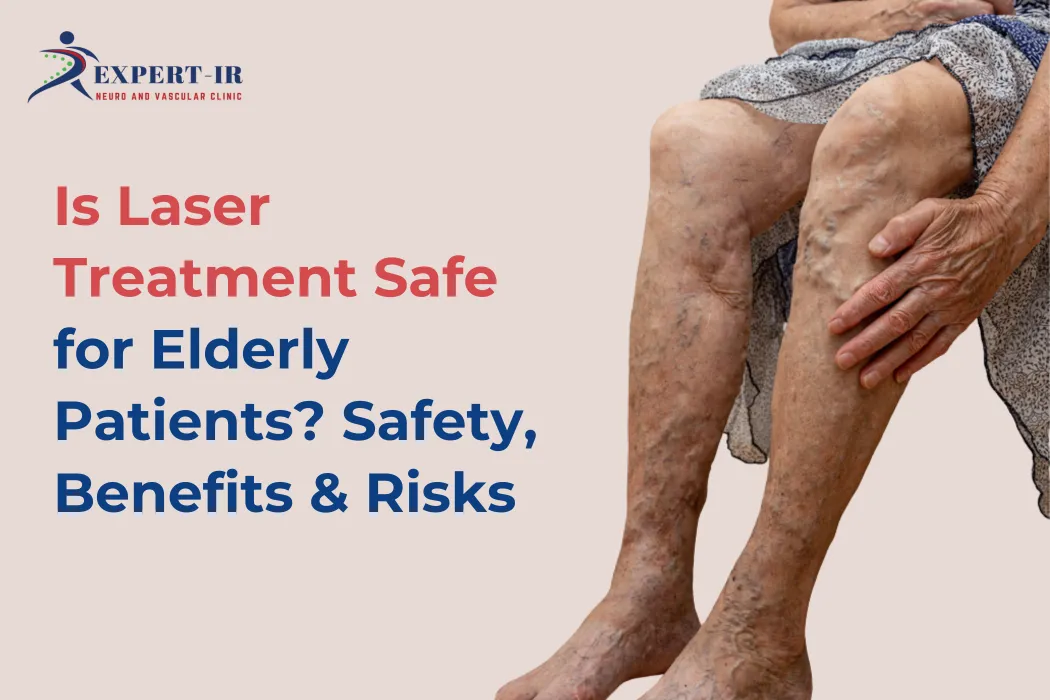
Older adults often have other medical conditions that increase surgical risk. Anesthesia-related complications, slower wound healing, and reduced mobility make surgery less suitable for many elderly patients. Non-surgical treatments allow effective care without putting unnecessary strain on the body.

Patients with Diabetes

Diabetes affects circulation and wound healing. Surgical incisions in diabetic patients carry a higher risk of infection, delayed healing, and skin breakdown. For such patients, avoiding surgery significantly reduces complications while still addressing vein problems effectively.

People with Heart, Lung, or Major Medical Conditions

Patients with heart disease, lung disorders, or chronic illnesses may not tolerate anesthesia well. Surgery places additional stress on the cardiovascular system, making non-surgical vein treatments a safer alternative.

Individuals with Obesity

Obesity increases surgical risks, including infection, anesthesia complications, and poor wound healing. It can also affect surgical outcomes. Minimally invasive procedures are far better tolerated and allow quicker recovery.

Patients with History of Blood Clots

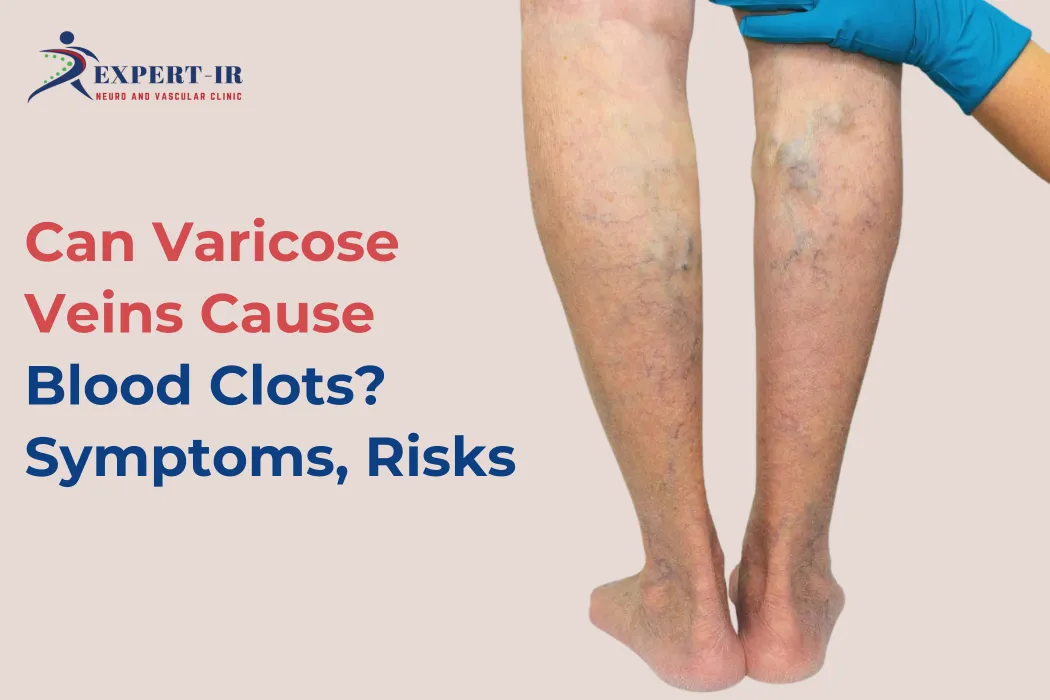
Those with a prior history of deep vein thrombosis (DVT) or clotting disorders may face increased risk during surgery. Image-guided, non-surgical procedures allow careful planning and reduced clot-related risks.

Why Surgery Is No Longer the First Choice

Surgery treats visible veins but may miss the underlying venous reflux if detailed vein mapping is not performed. This can lead to recurrence. Additionally, surgery involves scars, postoperative pain, and longer recovery.

Modern treatments focus on treating the root cause—faulty vein valves—without removing veins surgically.

Non-Surgical Options for Varicose Veins

Laser Treatment for Varicose Veins

Endovenous laser treatment (EVLT/EVLA) uses laser energy to close the faulty vein from inside under ultrasound guidance. The vein is permanently sealed, and blood is redirected through healthy veins. The procedure is done under local anesthesia and allows same-day walking.

Radiofrequency Ablation (RFA)

Similar to laser treatment, RFA uses heat energy to close the vein. It is minimally invasive, safe, and effective, with excellent long-term results and minimal discomfort.

Sclerotherapy

For smaller varicose veins and spider veins, sclerotherapy involves injecting a medical solution that causes the vein to collapse and fade over time. It is quick and does not require anesthesia.

Comprehensive Image-Guided Treatment Planning

Non-surgical treatments are most effective when guided by Doppler ultrasound mapping. This ensures all refluxing veins are identified and treated, reducing recurrence and improving long-term outcomes.

At Expert IR Clinic, varicose veins are treated using a comprehensive, image-guided approach. Dr. Santosh Patil specializes in non-surgical vein treatments that focus on safety, precision, and long-term relief.

Benefits of Choosing Non-Surgical Varicose Veins Treatment

Non-surgical treatments offer several advantages over surgery. Patients experience minimal pain, no surgical scars, lower complication risk, and faster return to daily life. Most importantly, these treatments address the underlying cause of varicose veins rather than just removing visible veins.

When Is Surgery Still Considered?

Surgery may still be recommended in rare cases where minimally invasive options are not feasible due to vein anatomy or advanced complications. Even then, careful evaluation is essential to ensure surgery is truly necessary.

Frequently Asked Questions (FAQs)

Yes. Laser treatment permanently closes the treated varicose vein. Once sealed, the vein does not reopen and is gradually absorbed by the body, with blood redirected through healthy veins.

Elderly patients, diabetics, individuals with heart or lung disease, those with obesity, and patients with a history of blood clots are often advised to avoid surgery due to higher risk of complications.

Yes. Modern non-surgical treatments like laser ablation and radiofrequency ablation have high success rates and long-term vein closure comparable or superior to surgery.

No. Patients are encouraged to walk soon after treatment and usually return to normal activities within one to two days.

When non-surgical treatments are properly planned using ultrasound mapping, treated veins are permanently closed. New veins may develop over time due to vein disease progression, not treatment failure.

Conclusion

Not every patient with varicose veins should undergo surgery. Elderly individuals, diabetics, patients with medical conditions, and those seeking faster recovery often benefit more from modern, non-surgical treatments.

With today’s advanced technology, effective treatment no longer means invasive surgery. Choosing the right specialist and the right approach ensures safer care and long-lasting results.

Under the expert care of Dr. Santosh Patil at Expert IR Clinic, patients receive personalized, non-surgical solutions designed to treat varicose veins safely—without the risks and downtime of surgery.

For More Details Visit Our Channel