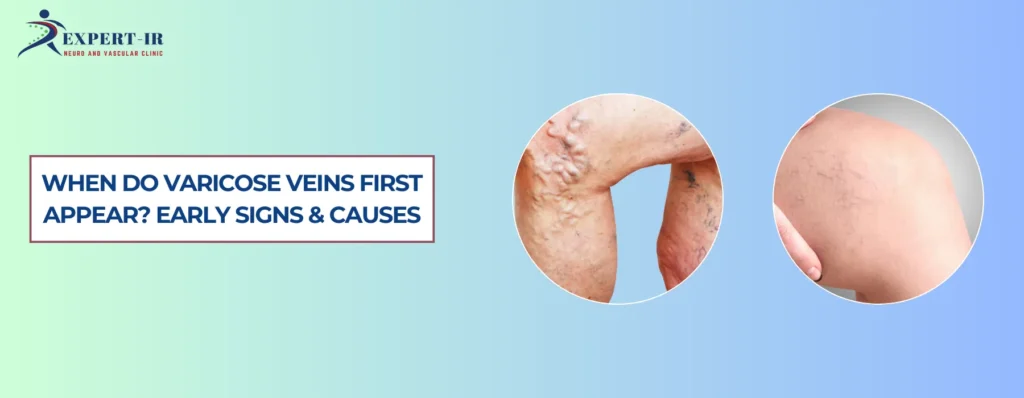
When Do Varicose Veins First Appear? Early Signs & Causes
Varicose veins do not appear overnight. For most people, they develop gradually over months or even years, often starting with subtle symptoms that are easy to ignore. By the time veins become visibly bulging and painful, the underlying vein disease has usually been present for quite some time.
Understanding when varicose veins first appear, their early warning signs, and the causes behind them can help people seek timely care and prevent progression to more serious complications.
At What Age Do Varicose Veins Usually Start?
Varicose veins can appear at almost any age, but they most commonly begin to develop between the ages of 30 and 50. However, early changes in vein function can start even earlier, especially in people with genetic risk factors.
In some individuals—particularly those with a strong family history, pregnancy-related vein stress, or long-standing jobs early signs may appear in the late 20s or early 30s, long before visible veins become prominent.
Why Varicose Veins Develop Over Time
Healthy veins carry blood back to the heart with the help of one-way valves. When these valves weaken or fail, blood flows backward and pools in the veins. Over time, this increased pressure causes veins to stretch, enlarge, and become visible.
This process is slow and progressive, which is why early symptoms are often dismissed or misunderstood.
Early Signs of Varicose Veins Most People Ignore
Heaviness or Tiredness in the Legs
One of the earliest signs of varicose veins is a persistent feeling of heaviness or fatigue in the legs, especially after long hours of standing or sitting. Many people attribute this to routine tiredness, but it often reflects early venous pressure buildup.
Mild Swelling Around the Ankles or Feet
Occasional ankle swelling by the end of the day can be an early indicator of poor vein function. This swelling usually improves after resting or elevating the legs, which is a key clue that veins may be involved.
Aching, Burning, or Throbbing Sensation
Subtle aching or burning discomfort in the legs—particularly in the calves—may appear before visible veins develop. These symptoms often worsen in the evening and improve overnight.
Night Cramps or Restless Legs
Frequent leg cramps at night or an uncomfortable urge to move the legs may be linked to early venous circulation problems. These symptoms are commonly ignored or mistaken for muscle fatigue.
Appearance of Spider Veins
Spider veins are often the first visible sign of vein disease. While they are smaller than varicose veins, their presence can indicate underlying valve weakness that may progress if left untreated.
When Do Varicose Veins Become Visible?
Visible, bulging varicose veins usually appear years after early symptoms begin. By this stage, vein valves have significantly weakened, and blood pooling causes veins to twist and protrude under the skin.
Early identification before this stage allows for simpler, less extensive treatment.
Common Causes of Early Varicose Veins
Genetics
Family history is one of the strongest predictors. If parents or siblings have varicose veins, the risk of developing them at an earlier age is significantly higher.
Prolonged Standing or Sitting
Jobs that require long hours of standing or sitting—such as teaching, healthcare, office work, or factory jobs—reduce proper blood flow and increase vein pressure.
Pregnancy and Hormonal Changes
Hormonal shifts during pregnancy relax vein walls, while increased blood volume and uterine pressure strain leg veins. This explains why varicose veins often first appear during or after pregnancy.
Obesity and Lack of Physical Activity
Excess body weight increases pressure on leg veins. Limited physical activity reduces calf muscle pumping action, worsening venous circulation.
Aging
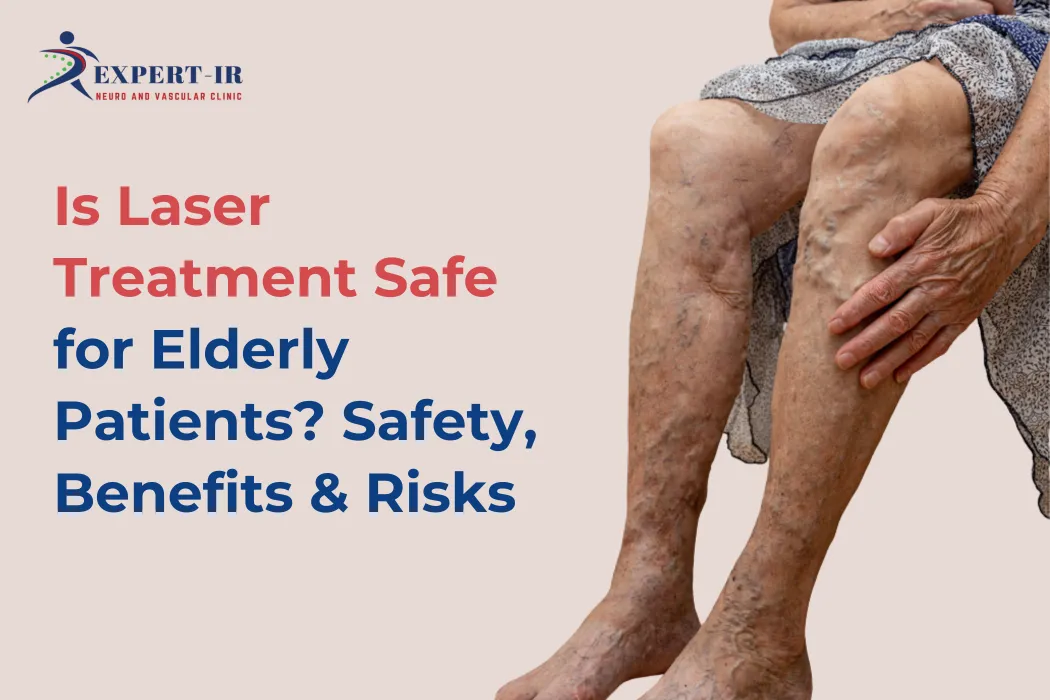
As we age, vein walls and valves naturally lose elasticity, making them more prone to failure and enlargement.
How Varicose Veins Are Evaluated Today
Modern evaluation involves Doppler ultrasound, which maps blood flow and identifies faulty veins even before they become visible. This approach focuses on treating the root cause rather than just cosmetic symptoms.
At Expert IR Clinic, vein evaluation is performed using detailed imaging. Dr. Santosh Patil specializes in identifying early-stage venous reflux and offering non-surgical treatment options that prevent progression.
Can Early Varicose Veins Be Prevented?
While genetic risk cannot be changed, early-stage progression can often be slowed with lifestyle measures such as regular walking, weight management, leg elevation, avoiding prolonged standing, and using compression stockings when advised.
However, once vein valves are damaged, medical treatment is needed to permanently correct the problem.
Frequently Asked Questions (FAQs)
Varicose veins commonly begin developing between the ages of 30 and 50, though early signs can appear in the late 20s in people with genetic risk or lifestyle factors.
Leg heaviness or tiredness after prolonged standing or sitting is often the earliest symptom, even before veins become visible.
Yes. Spider veins can indicate underlying vein valve weakness and may appear before larger varicose veins develop.
Visible varicose veins may seem sudden, but the underlying vein disease usually develops gradually over time.
Vein pressure increases throughout the day due to gravity and prolonged activity, making symptoms more noticeable by evening.
Conclusion
Varicose veins usually begin quietly—with leg heaviness, mild swelling, or spider veins—long before they become obvious. Recognizing these early signs and understanding the causes empowers people to seek timely care.
With modern, non-surgical treatments available today, early intervention can prevent discomfort, complications, and the need for more extensive procedures later. Expert evaluation at the right time makes all the difference.