Is Laser Treatment Safe for Elderly Patients? Risks & Benefits

Is Laser Treatment Safe for Elderly Patients? Risks & Benefits

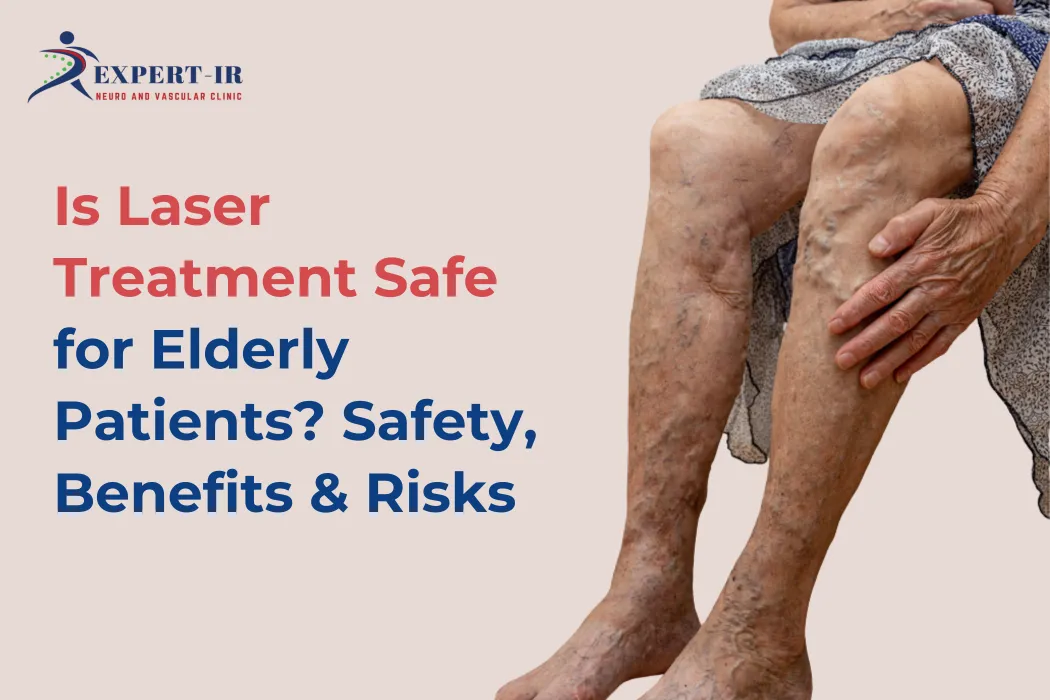
As people age, vascular conditions such as varicose veins, poor circulation, and leg pain become more common. At the same time, elderly patients often worry about undergoing treatment due to concerns about safety, recovery, and complications. One of the most frequently asked questions is:

Is laser treatment safe for elderly patients?

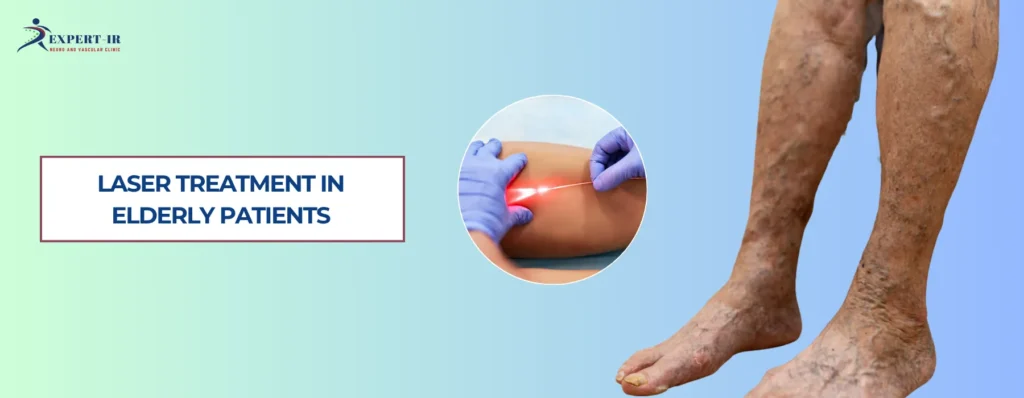
Yeslaser treatment is not only safe but often the preferred option for elderly patients, especially when compared to traditional surgery. However, understanding the safety profile, benefits, and potential risks is important before making a decision.

Why Treatment Decisions Are Different in Elderly Patients

Aging affects the body in several ways that influence treatment planning:

  • Slower healing capacity
  • Higher likelihood of comorbidities (diabetes, heart disease)
  • Reduced tolerance to anesthesia
  • Increased surgical risk

Because of these factors, minimally invasive treatments are always preferred over open surgery in elderly individuals.

Is Laser Treatment Safe for Elderly Patients

Is Laser Treatment Safe for Elderly Patients?

Yes. Multiple clinical studies and real-world outcomes show that laser treatment is highly safe for elderly patients, provided proper evaluation is done.

Why It Is Considered Safe:
  • Performed under local anesthesia
  • Minimal blood loss
  • Reduced infection risk
  • Short procedure time
  • No hospital admission required

These factors significantly reduce complications compared to traditional surgery.

Benefits of Laser Treatment for Elderly Patients

Faster Recovery

Most elderly patients can walk within 30–60 minutes after the procedure and return to normal activities within a day or two.

Lower Risk Compared to Surgery

Since there are no large incisions, risks like wound infection, delayed healing, and surgical complications are much lower.

Less Pain and Discomfort

Laser treatment causes minimal discomfort, which is especially important for elderly individuals with low pain tolerance.

Suitable for High-Risk Patients

Even patients with diabetes, hypertension, or heart conditions can often safely undergo laser treatment with proper planning.

Are There Any Risks?

While laser treatment is very safe, some mild and temporary side effects may occur:

  • Slight bruising
  • Mild swelling
  • Tightness along the treated vein
  • Temporary skin discoloration

Serious complications are rare when the procedure is performed by an experienced specialist.

When Should Elderly Patients Be Evaluated Carefully?

Certain conditions require extra attention before treatment:

  • Severe heart disease
  • Uncontrolled diabetes
  • Active infections
  • Advanced mobility issues

A detailed evaluation ensures that treatment is both safe and effective.

Importance of Expert-Led Treatment

Laser treatment outcomes depend heavily on accurate diagnosis and precision.

At Expert IR Clinic, every patient undergoes Doppler ultrasound mapping before treatment. Dr. Santosh Patil specializes in treating elderly patients with minimally invasive techniques tailored to their overall health condition.

Frequently Asked Questions (FAQs)

Yes. Laser treatment is safe and widely recommended for elderly patients because it is minimally invasive and performed under local anesthesia.

Most patients can walk within an hour after the procedure, which helps improve recovery and reduces complications.

No. Laser treatment is performed under local anesthesia, making it safer for elderly individuals.

Risks are minimal and usually include mild swelling or bruising. Serious complications are rare when performed by an expert.

Yes, in most cases. Laser treatment is often safer than surgery for patients with underlying conditions, but evaluation is necessary.

For More Details Visit Our Channel

Recent Articles

Ovarian vein reflux occurs when vein valves weaken or fail, allowing blood to flow backward and pool in the pelvic veins. Hormonal changes (especially high estrogen levels), pregnancy, and multiple childbirths increase the risk.

Persistent pain, skin discoloration, non-healing ulcers, and recurrent bleeding are signs of advanced disease requiring urgent evaluation.

Yes. Laser treatment is less invasive, has quicker recovery, and offers high long-term success rates compared to traditional surgery.

A Doppler ultrasound examination determines severity and helps decide whether surgery or minimally invasive treatment is required.

Yes. Advanced cases may lead to ulcers, infections, or blood clots if left untreated.