How Diabetes Increases Risk of Leg Artery Blockage | Best Treatment
Diabetes does more than raise blood sugar, it silently damages blood vessels throughout the body. One of the most serious consequences is leg artery blockage, medically known as peripheral artery disease (PAD).
Many patients don’t realize that diabetes is one of the strongest risk factors for PAD, which results in pain while walking, non-healing wounds & even limb-threatening complications if ignored.
This article explains how diabetes causes artery blockage, early warning signs & the most effective modern treatments for peripheral artery disease.
What Is Leg Artery Blockage (PAD)?
PAD occurs when arteries supplying blood to the legs become narrowed or blocked due to fatty deposits (plaque). Reduced blood flow means:
Muscles don’t get enough oxygen
Wounds heal slowly
Tissue damage increases over time
In diabetic patients, this process develops earlier, progresses faster & is often more severe.
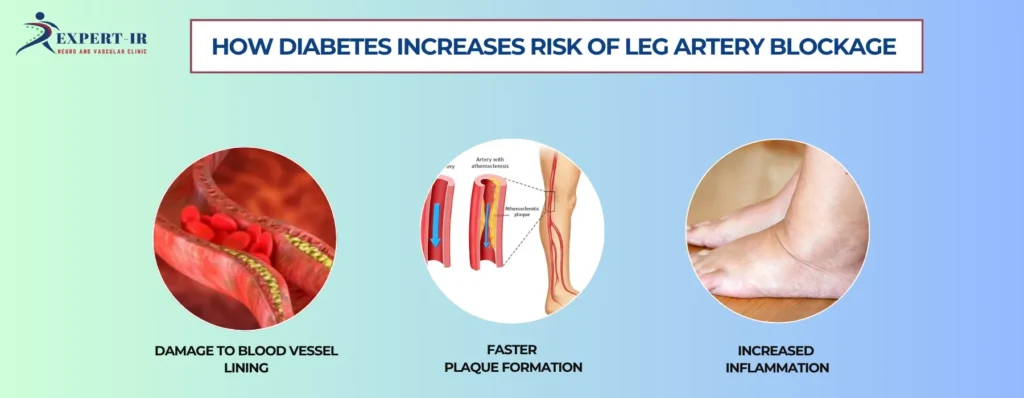
How Diabetes Damages Leg Arteries
1. Damage to Blood Vessel Lining
High blood sugar injures the inner lining (endothelium) of arteries. This makes arteries more vulnerable to plaque buildup.
2. Faster Plaque Formation
Diabetes accelerates atherosclerosis, where cholesterol and fats accumulate inside arteries, narrowing blood flow pathways.
3. Increased Inflammation
Chronic inflammation in diabetes further damages vessels and promotes blockage.
4. Reduced Blood Flow Efficiency
Over time, arteries become stiff and narrow, reducing oxygen supply to leg muscles and tissues.
Why Diabetic Patients Are at Higher Risk of PAD
Diabetes increases PAD risk due to:
Long-term high blood sugar
Associated conditions (hypertension, cholesterol)
Nerve damage (neuropathy), which masks symptoms
Poor wound healing
This combination makes PAD harder to detect and more dangerous in diabetics.
Symptoms of Leg Artery Blockage
Many diabetic patients miss early signs because symptoms may be mild or masked by neuropathy.
Symptoms of Leg Artery Blockage:
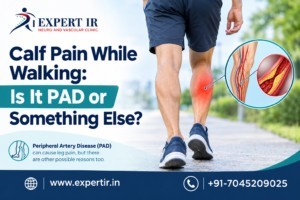
Pain or cramping in legs while walking (claudication)
Cold feet or toes
Numbness or tingling
Slow-healing cuts or wounds
Reduced hair growth on legs
Skin discoloration
Advanced Symptoms of PAD
If PAD left untreated then it may lead to:
Pain even at rest (especially at night)
Non-healing ulcers
Skin turning dark or black
Gangrene
This stage is called critical limb ischemia (CLI) and requires urgent treatment.
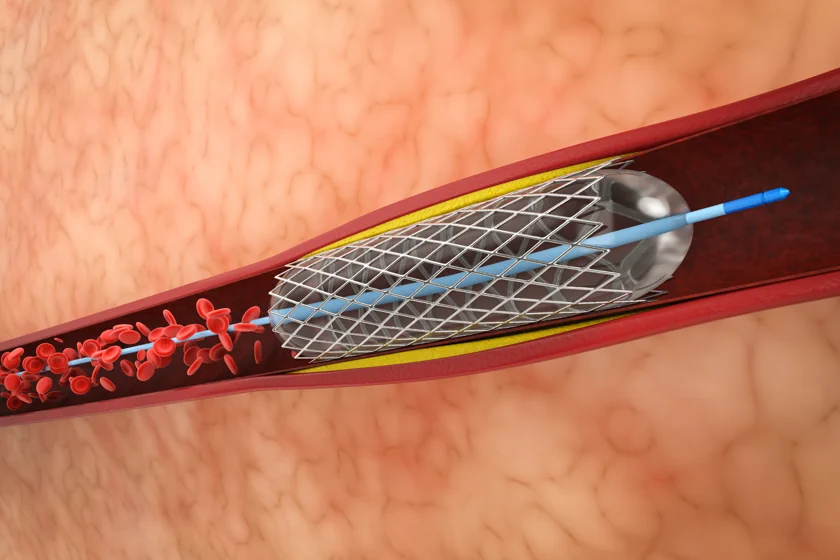
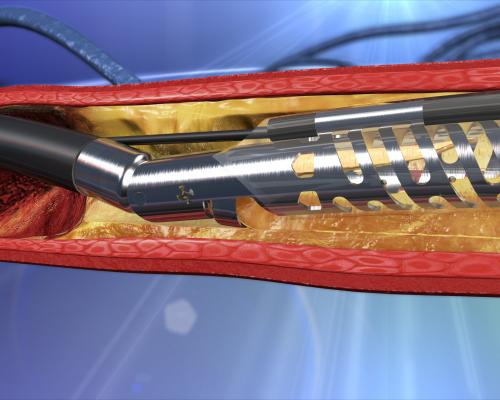
Best Treatment for Leg Artery Blockage in Diabetes
These restore circulation even in severe blockages.
Conclusion
Diabetes significantly increases the risk of leg artery blockage by damaging blood vessels and accelerating plaque buildup. The condition often progresses silently until serious complications arise.
Recognizing early symptoms and seeking expert care can prevent limb-threatening complications and improve quality of life.
With modern minimally invasive treatments available today, even advanced cases can be managed effectively.
Ovarian vein reflux occurs when vein valves weaken or fail, allowing blood to flow backward and pool in the pelvic veins. Hormonal changes (especially high estrogen levels), pregnancy, and multiple childbirths increase the risk.