Discover Does Masturbation Causes Varicocele? debunk myths, scientific facts, and highlight the signs, risks, and effective treatments of varicocele

Varicocele is a condition that affects the veins in the scrotum, similar to varicose veins in the legs. Over the years, many myths have circulated about what causes varicocele, one of the most common questions being: “Does Masturbation Causes Varicocele?”

This Article aims to debunk myths, provide scientific facts, and highlight the signs, risks, and effective treatments of varicocele. If you’re seeking expert care, Dr. Santosh Patil, the Best Interventional Radiologist in Pune, offers minimally invasive and highly effective varicocele treatment.

Understanding Varicocele

Varicocele is the enlargement of the veins (pampiniform plexus) within the scrotum. It occurs due to poor blood flow, leading to the pooling of blood and increased pressure in the veins. This condition affects approximately 15% of adult men and can have implications on fertility and testosterone levels.

Key Facts:
  • Most varicoceles develop during puberty.
  • It is more common on the left side of the scrotum.
  • Many men with varicoceles are asymptomatic.

Does Masturbation Causes Varicocele?

The straightforward answer is NO. There is no scientific evidence that supports the theory that masturbation causes varicocele. Masturbation is a natural and healthy activity and does not impact the venous structure of the scrotum.

Why This Myth Exists:
  • Masturbation may cause temporary discomfort or mild testicular aching in some men, especially those with an existing varicocele.
  • Individuals often associate this discomfort with worsening the condition.
  • Misinterpretation of online sources and lack of medical awareness.

To understand the causes better, it’s important to consider the real triggers:

  1. Faulty Valves in the Veins: These valves regulate blood flow. When they fail, blood backs up and causes vein enlargement.

  2. Gravity and Blood Pooling: The vertical structure of the vein increases the pressure in the left side, making it more susceptible.

  3. Anatomical Factors: The left testicular vein drains into the renal vein at a right angle, unlike the right side. This anatomical difference increases pressure and the likelihood of varicocele on the left.

  4. Hormonal Imbalances: Can affect vascular tone and blood flow.

  5. Genetics: A family history of varicose veins or varicocele increases your risk

Most cases of varicocele are asymptomatic and discovered during a fertility evaluation. However, in some cases, symptoms may appear and worsen over time.

Common Signs of Varicocele Include:
  • Dull or aching pain in the testicles
  • Visible or palpable enlarged veins (like a bag of worms)
  • Discomfort that increases with standing or physical exertion
  • Testicular shrinkage or atrophy
  • Reduced fertility or abnormal semen analysis

Risk Factors Associated with Varicocele

Even though masturbation doesn’t cause varicocele, several actual risk factors include:

  • Age: Typically appears between 15-25 years of age
  • Body Type: Taller and thinner men are more susceptible
  • Prolonged Standing: Occupational risks that involve long hours of standing
  • Obesity: Can impair venous return
  • Heavy Weight Lifting: Increases intra-abdominal pressure

Complications of Untreated Varicocele

If left untreated, varicocele can lead to:

  • Infertility: Due to impaired sperm production and quality
  • Testicular Atrophy: Shrinkage due to poor blood supply
  • Decreased Testosterone Levels: Long-term effects on hormone production
  • Chronic Pain: Interferes with daily activities and quality of life

Diagnosis of Varicocele

Dr. Santosh Patil, a leading expert and Best Interventional Radiologist in Pune, uses modern techniques for accurate diagnosis:

  1. Physical Examination: Often performed while standing and during the Valsalva maneuver
  2. Scrotal Ultrasound/Doppler: Confirms the presence of dilated veins and evaluates blood flow
  3. Semen Analysis: To assess fertility-related issues
  4. Hormonal Tests: To detect any testosterone imbalance

Treatment for Varicocele

Fortunately, varicocele is treatable through various options depending on severity and symptoms:

1. Conservative Management
  • Used for mild cases with no fertility concern.
  • Includes scrotal support, lifestyle changes, and pain management.
2. Varicocele Embolization (Minimally Invasive)

Performed by Dr. Santosh Patil, this is the most advanced and preferred treatment method.

Procedure:
  • A catheter is inserted into a vein in the groin or neck.
  • Tiny coils or a special solution are used to block the abnormal vein.
  • Blood flow is rerouted to normal veins.
Benefits:
  • No surgical incision
  • Minimal pain and quick recovery
  • High success rates in fertility improvement
  • Same-day discharge
3. Varicocelectomy (Surgical Ligation)
  • Involves tying off the affected veins through an incision.

  • Requires general anesthesia and longer recovery time

When it comes to treating varicocele effectively, Dr. Santosh Patil is a name patients trust. As the Best Vascular Specialist in Pune, he specializes in advanced, scar-free, and painless treatments.

What Sets Him Apart:
  • Expertise in Varicocele Embolization
  • Advanced diagnostic tools for accurate assessment
  • Customized treatment plans
  • Focus on patient comfort and education
  • High success rate in improving male fertility and hormone balance

Conclusion

To summarize, the answer to the question “Does Masturbation Causes Varicocele” is a clear NO. Masturbation is not a risk factor, nor does it worsen the condition. Varicocele is a vascular issue caused by anatomical and physiological factors. Recognizing the symptoms early and seeking proper diagnosis and treatment can prevent long-term complications.

If you are experiencing discomfort, testicular pain, or fertility issues, don’t let myths guide your decisions. Trust evidence-based medicine and consult an expert like Dr. Santosh Patil in Pune for the most effective and minimally invasive treatment options.

You can also Read This

Varicose Vein Treatment Comparison

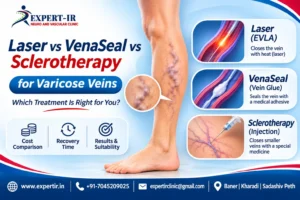
Laser vs VenaSeal vs Sclerotherapy for Varicose Veins

Choosing between Laser, VenaSeal and Sclerotherapy for varicose veins depends on the size of the affected veins, Doppler scan results, treatment cost and recovery time. Compare how each procedure works, its benefits, possible side effects and suitability. Learn about the best varicose vein treatment options and their costs in India with Dr. Santosh Patil at Expert IR Neuro & Vascular Clinic, Pune
Read More »
VenaSeal Varicose Vein Treatment Guide

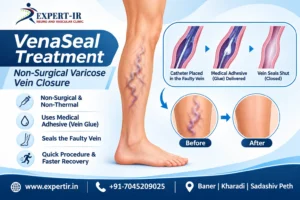
VenaSeal Treatment in India | Cost, Procedure, Risks

VenaSeal treatment is a minimally invasive, non-thermal procedure that uses medical-grade adhesive to seal faulty veins and treat varicose veins. Learn how the procedure works, who is a suitable candidate, its benefits, recovery time, possible risks and treatment cost in India. Discover whether VenaSeal is the right option for you at Expert IR Neuro & Vascular Clinic, Pune.

Read More »
Leg Doppler Test_ Benefits and Uses

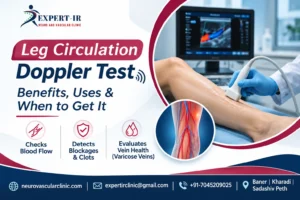
Leg Circulation Doppler Test in Pune | Benefits, Uses & When to Get It

A leg circulation Doppler test is a painless, non-invasive ultrasound scan that checks blood flow through the arteries and veins in your legs. Learn how it helps detect blocked arteries, blood clots, varicose veins and poor circulation, along with its benefits, procedure, preparation and when you should get tested. Discover expert vascular evaluation at Expert IR Neuro & Vascular Clinic in Pune.

Read More »