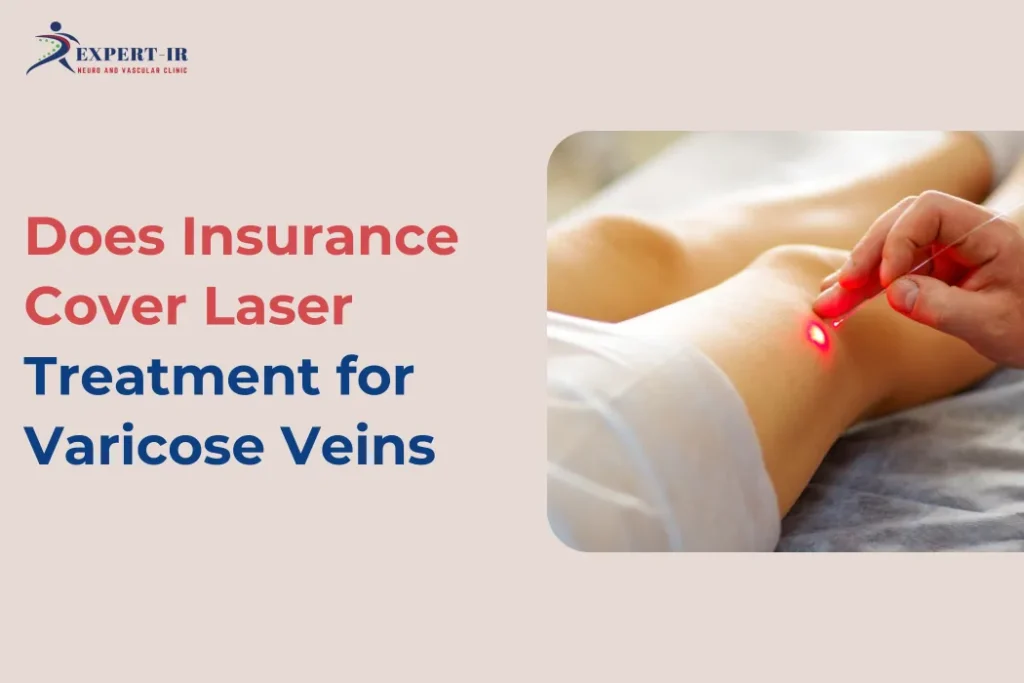
Does Insurance Cover Laser Treatment for Varicose Veins
One of the most common questions patients ask before treatment is:
“Does insurance cover laser treatment for varicose veins?”
The answer is: It depends on whether the treatment is considered medically necessary or purely cosmetic.
Many people assume laser treatment for varicose veins is only cosmetic, but medically, varicose veins are often a sign of chronic venous insufficiency, a progressive circulatory disorder that can cause pain, swelling, skin damage, ulcers, and blood clots if left untreated.
Because of this, insurance companies may cover treatment in specific situations.
When Insurance Usually Covers Varicose Vein Treatment
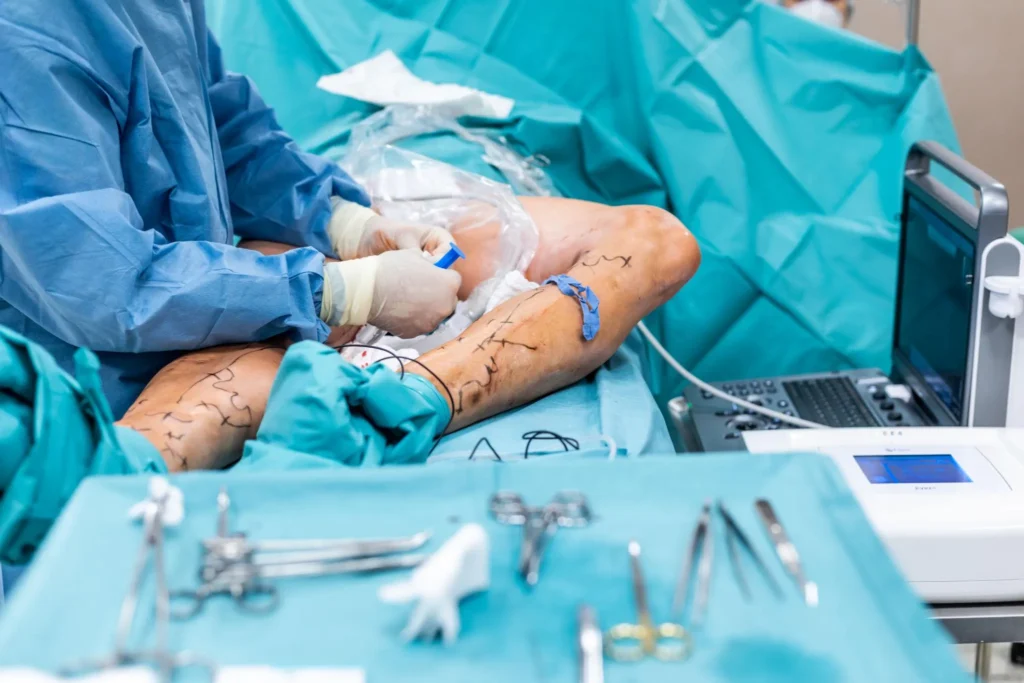
Insurance providers are more likely to approve treatment when varicose veins are causing medical symptoms or complications, not just cosmetic concerns.
Coverage is commonly considered if patients have:
- Persistent leg pain or heaviness
- Swelling in legs or ankles
- Skin discoloration or eczema
- Venous ulcers
- Bleeding veins
- Recurrent thrombophlebitis (vein inflammation/clots)
- Documented venous insufficiency on Doppler ultrasound
In these cases, laser treatment is categorized as a medical necessity, not cosmetic treatment.
When Insurance May NOT Cover Treatment
Insurance may deny coverage if:
- Treatment is only for cosmetic appearance
- There are only spider veins without symptoms
- No venous reflux is documented
- Conservative treatment was not attempted first
This is why proper evaluation and documentation are extremely important.
What Is Usually Required for Insurance Approval?
Most insurance companies require:
1. Clinical Symptoms
Evidence that varicose veins are causing discomfort or affecting daily life.
2. Doppler Ultrasound Report
A venous Doppler confirms:
- Valve failure
- Venous reflux
- Severity of disease
This is one of the most important documents for approval.
3. Conservative Treatment Trial
Some insurers require patients to try:
- Compression stockings
- Exercise
- Leg elevation
for a certain period before approving intervention.
Is Laser Treatment Better Than Surgery?
Today, Endovenous Laser Ablation (EVLA) is considered one of the best treatments for varicose veins because it is:
- Minimally invasive
- Performed under local anesthesia
- Associated with faster recovery
- Less painful than surgery
- Performed as a day-care procedure
Because it treats the underlying venous insufficiency effectively, many insurers now recognize it as a standard medical treatment.
Other Modern Treatments That May Be Covered
Depending on the case and policy:
Radiofrequency Ablation (RFA)
Uses thermal energy to seal the vein.
Glue Treatment (VenaSeal)
Uses medical adhesive to close the faulty vein without heat.
Sclerotherapy
Used for smaller veins in selected cases.
Coverage varies depending on:
- Severity of disease
- Medical necessity
- Insurance policy terms
Why Proper Diagnosis is Important
Many patients delay treatment because they assume insurance will not help. However, once symptoms and venous reflux are documented, coverage possibilities improve significantly.
At Expert IR Neuro & Vascular Clinic, detailed Doppler evaluation helps determine:
- Severity of venous disease
- Eligibility for minimally invasive treatment
- Required medical documentation
Dr. Santosh Patil specializes in advanced, non-surgical treatment for varicose veins using precision-based imaging and minimally invasive techniques.
Conclusion
Yes, insurance can cover laser treatment for varicose veins—but mainly when the condition is medically necessary rather than cosmetic.
If symptoms like pain, swelling, skin changes, or venous insufficiency are present, modern minimally invasive treatments such as EVLA may qualify for insurance approval.
The key is:
Early diagnosis + proper medical documentation
Frequently Asked Questions (FAQs)
Yes, many insurance companies cover laser treatment if varicose veins cause medical symptoms such as pain, swelling, or ulcers.
Not always. If venous insufficiency and symptoms are documented, it is considered medically necessary rather than cosmetic.
A Doppler ultrasound showing venous reflux is usually required, along with documentation of symptoms.
Many insurers require conservative treatment attempts before approving minimally invasive procedures.
Yes. Laser treatment is minimally invasive, less painful, and offers faster recovery compared to traditional surgery.
Coverage varies by insurance provider and policy. Some plans may cover it if medically necessary.
Spider vein treatment is usually considered cosmetic unless associated with significant venous disease.
In many cases, yes. Coverage depends on your specific insurance provider and policy terms (such as waiting periods). Our administrative team will help you check your eligibility for cashless claims or assist with reimbursement paperwork.
Yes. Because varicose veins are a recognized medical condition that can lead to severe complications like ulcers and blood clots, EVLT is covered by most major health insurance and mediclaim policies.