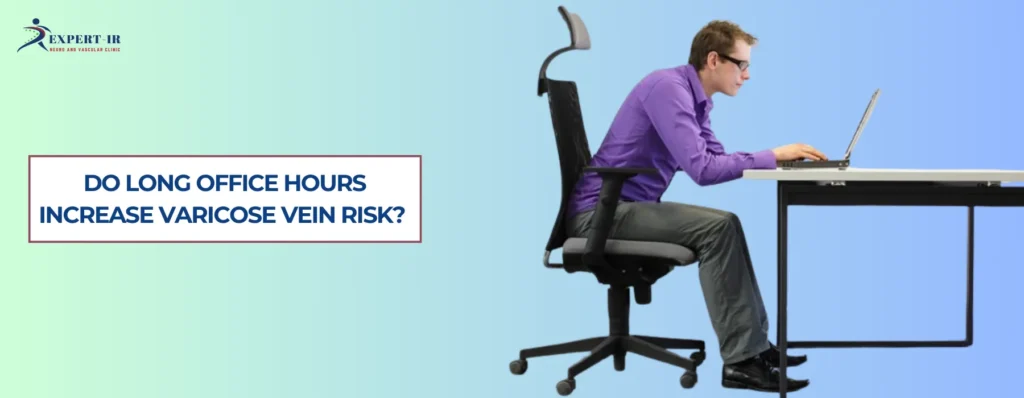
Do Long Office Hours Increase Varicose Vein Risk?
If you work at a desk for 8–10 hours every day and often experience leg heaviness, swelling, or cramps by evening, your job might be silently affecting your vein health. While most people blame fatigue or stress, these symptoms may actually indicate the early stages of varicose veins.
With the rapid growth of IT, corporate, and work-from-home lifestyles, vein-related problems are increasing among young professionals. Today, many patients in their 20s and 30s are seeking varicose veins treatment in Pune due to prolonged sitting and lack of movement.
Understanding how desk jobs impact circulation — and when to consult an interventional radiologist in Pune can help you prevent long-term complications.
How Long Sitting Hours Damage Your Veins
Your leg veins depend on muscle movement to push blood back toward the heart. Walking and stretching activate the calf muscles, which act like a natural pump.
But when you sit continuously:
- Blood circulation slows down
- Blood pools in the legs
- Pressure builds inside veins
- Vein valves weaken
- Swelling and discomfort increase
Over time, this leads to enlarged, twisted veins known as varicose veins. Simply put, “sitting is the new smoking” when it comes to vein health.
Early Signs Desk Workers Often Ignore
Many professionals dismiss symptoms until the condition worsens. Watch out for:
- Heavy or tight legs after work
- Swollen ankles or feet
- Night cramps
- Burning or throbbing pain
- Tingling sensation
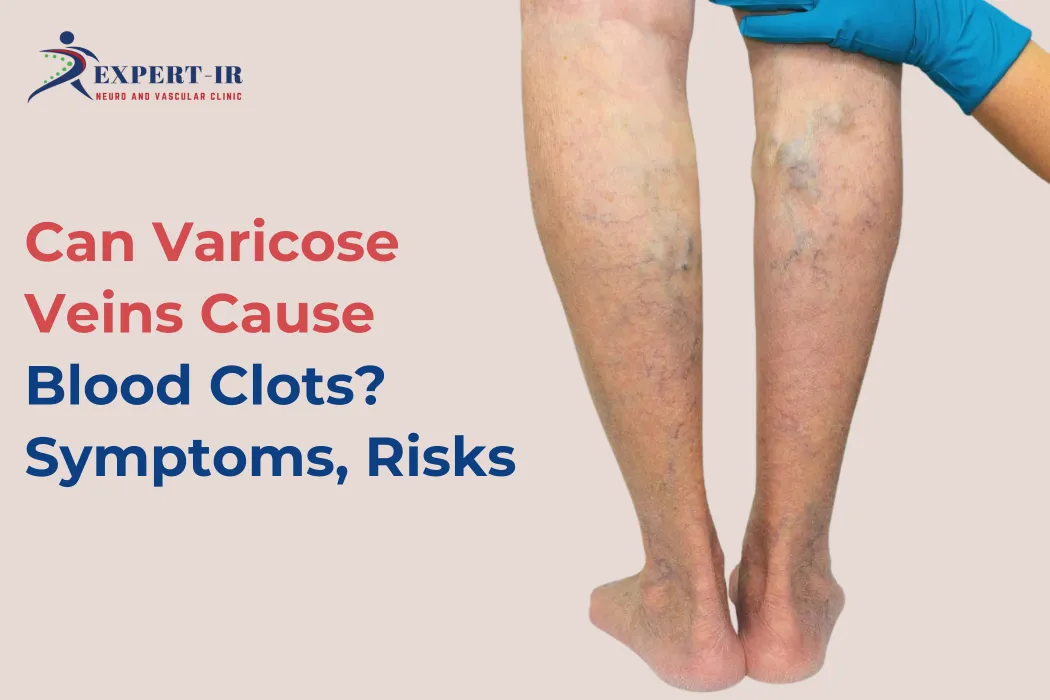
- Visible blue or bulging veins
- Restlessness in legs at night
If these signs occur regularly, you may need evaluation from a vein specialist.
Why Office Professionals Are at Higher Risk
- Continuous Sitting: Reduces muscle activity and slows blood return.
- Poor Posture: Crossed legs or slouching restricts circulation further.
- Minimal Exercise: Weak calf muscles fail to pump blood efficiently.
- Weight Gain: Extra weight increases pressure on leg veins.
- Long Commutes: Hours of driving or travel add more immobility.
Together, these factors significantly increase the need for laser varicose vein treatment.
Why Consult an Interventional Radiologist Instead of Traditional Surgery?
Earlier, varicose veins required open surgery and long recovery. Today, interventional radiology offers safer and minimally invasive solutions.
An interventional radiologist treats veins using:
- Ultrasound-guided techniques
- Tiny punctures instead of cuts
- Laser or catheter-based procedures
Benefits of Varicose Veins without Surgery
- No stitches
- Minimal pain
- Same-day discharge
- Faster recovery
- Return to work within 24–48 hours
- Lower risk of complications
This makes treatment convenient for working professionals who cannot afford long hospital stays.
Advanced Varicose Veins Treatment at Expert IR Clinic
Endovenous Laser Treatment (EVLT)
Laser energy seals damaged veins quickly and safely.
Radiofrequency Ablation (RFA)
Heat-based treatment for faster vein closure.
Sclerotherapy
Injection-based solution for smaller veins.
These procedures are quick, effective, and require minimal downtime.
Expert Vein Care for Professionals in Pune
For advanced and reliable varicose veins treatment in Pune, consult Expert IR Clinic Pune, led by Dr. Santosh Patil, an experienced Interventional Radiologist in Pune specializing in minimally invasive vein treatments.
With modern laser technology, precise imaging guidance, and personalized care, patients receive safe treatment and can return to work quickly making it ideal for busy office professionals.
Frequently Asked Questions (FAQs)
Yes, prolonged sitting at a desk can increase the risk of varicose veins. When you sit for extended periods, blood flow in the legs slows down, leading to blood pooling and increased pressure in the veins.
Standing for extended periods can strain leg veins and weaken vein valves, making it harder for blood to flow back to the heart. Over time, this may contribute to varicose vein development.
Desk jobs limit muscle movement, especially in the calves. Calf muscles act as a pump to push blood upward. Without movement, circulation slows and pressure builds in the veins.
Office workers who sit or stand for long hours without movement may be at higher risk of developing chronic venous insufficiency (CVI), a condition where veins struggle to return blood efficiently.
Sitting continuously for more than 2–3 hours without movement can negatively affect circulation. The risk increases with daily long-term sedentary habits over months or years.