
how can varicocele affect testosterone production, its symptoms & the best treatment options

can-varicocele-affect-testosterone

Varicocele is a vascular condition that affects men often associated with infertility and testicular discomfort. However, many men wonder, “Can Varicocele Affect Testosterone?” Testosterone is the primary male hormone responsible for muscle mass, bone density, libido, and overall well-being. Understanding the link between varicocele and testosterone levels is crucial for early diagnosis and treatment.

In this comprehensive Article, we will discuss how can varicocele affect testosterone production, its symptoms, and the best treatment options available. 

What is Varicocele?

Varicocele is an abnormal enlargement of the veins in the scrotum, similar to varicose veins in the legs. This condition occurs when the valves in the veins fail to regulate blood flow, causing blood to pool in the veins and increasing scrotal temperature.

  • Faulty valves in veins – Improper valve function leads to blood accumulation.
  • Increased pressure in scrotal veins – Common in tall men due to longer veins.
  • Genetic factors – Family history can play a role.
  • Hormonal imbalance – Affects proper blood circulation in the testes.

Can Varicocele Affect Testosterone?

Yes, varicocele can negatively impact testosterone production. The testicles are responsible for producing testosterone, and any disruption in their function can lower testosterone levels.

How Does Varicocele Lower Testosterone?

  1. Increased Scrotal Temperature – The pooled blood in the veins raises the testicular temperature, which reduces testosterone production.
  2. Impaired Blood Flow – Poor circulation prevents essential nutrients and oxygen from reaching the testes.
  3. Oxidative Stress – Excessive blood accumulation leads to free radical damage, harming the Leydig cells responsible for testosterone production.
  4. Hormonal Disruptions – Varicocele may cause an imbalance in luteinizing hormone (LH) and follicle-stimulating hormone (FSH), affecting testosterone synthesis.

Symptoms of Low Testosterone Due to Varicocele

You have got to know about how can Varicocele Affect Testosterone, Now, varicocele is affecting testosterone production, men may experience:

  • Low libido (reduced sexual desire)
  • Erectile dysfunction
  • Fatigue and low energy levels
  • Depression and mood swings
  • Loss of muscle mass and increased fat accumulation
  • Reduced sperm quality and infertility

Diagnosis of Varicocele and Low Testosterone

Diagnosing varicocele requires a physical examination and medical tests. Dr. Santosh Patil, a leading varicose vein specialist in Pune, recommends the following:

1. Physical Examination

  • The doctor checks for enlarged veins in the scrotum by asking the patient to stand or perform the Valsalva maneuver (breathing technique).

2. Scrotal Doppler Ultrasound

  • A non-invasive imaging test that assesses blood flow and vein enlargement.

3. Testosterone Level Test

  • A blood test measuring total and free testosterone levels to detect hormonal imbalance.

Treatment for Varicocele-Related Low Testosterone

Treatment depends on the severity of the condition. Here are the best options:

1. Lifestyle Modifications (For Mild Cases)

  • Exercise Regularly – Strength training boosts testosterone levels.
  • Healthy Diet – Increase intake of Zinc, Vitamin D, and Omega-3 fatty acids.
  • Stay Hydrated – Proper hydration supports circulation.
  • Avoid Prolonged Sitting or Standing – Helps in maintaining healthy blood flow.

2. Hormone Therapy

  • In mild cases, testosterone replacement therapy (TRT) might be recommended to improve hormone levels.

3. Medications

  • Pain relievers to manage discomfort.
  • Anti-inflammatory drugs to reduce oxidative stress.

4. Minimally Invasive Treatment: Varicocele Embolization

One of the most effective non-surgical treatments for varicocele is Varicocele Embolization. Varicocele Embolization is a minimally invasive procedure that blocks abnormal blood flow in the varicose veins of the scrotum. This procedure is performed by an interventional radiologist like Dr. Santosh Patil.

Can Testosterone Levels Improve After Varicocele Treatment?

Yes! Studies show that after successful varicocele treatment, testosterone levels increase by 50-70% within 3-6 months. Patients experience better sexual health, energy levels, and overall well-being.

When it comes to effective and minimally invasive varicocele treatment, choosing the right specialist can make a significant difference in recovery and long-term health. Dr. Santosh Patil, a leading vascular and interventional radiologist in Pune, is renowned for his expertise in treating varicocele with advanced non-surgical procedures like Varicocele Embolization.

  • Specialist in Interventional Radiology: With years of experience in vascular treatments, Dr. Patil is a pioneer in performing non-surgical varicocele embolization, ensuring faster recovery and minimal discomfort.
  • Advanced Diagnostic Approach: He utilizes high-resolution Doppler ultrasound and cutting-edge imaging techniques to accurately diagnose varicocele and assess its impact on testosterone levels and fertility.
  • Minimally Invasive, No-Scalpel Procedure: Unlike traditional varicocelectomy, varicocele embolization is a no-incision, no-stitch procedure performed under local anesthesia, allowing patients to resume daily activities within 24-48 hours.
  • Higher Success Rate with Faster Recovery: Dr. Patil’s precision-guided embolization technique improves testosterone levels, enhances fertility, and alleviates pain with a significantly lower risk of recurrence compared to surgical options.

Conclusion

So, Can Varicocele Affect Testosterone? The answer is YES! Varicocele can significantly lower testosterone levels, impacting male fertility, energy, and sexual health. However, with proper diagnosis and treatment, testosterone levels can be restored, improving overall health and well-being.

If you’re experiencing symptoms of low testosterone due to varicocele, consult Dr. Santosh Patil, the Best Vascular Surgeon in Pune, for expert guidance and advanced treatment options. Early intervention can help you regain hormonal balance and improve your quality of life.

Book Your Appointment

You can also Read This

Varicose Vein Treatment Comparison

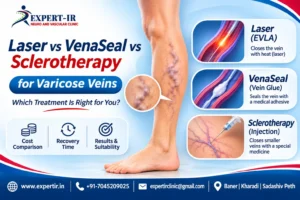
Laser vs VenaSeal vs Sclerotherapy for Varicose Veins

Choosing between Laser, VenaSeal and Sclerotherapy for varicose veins depends on the size of the affected veins, Doppler scan results, treatment cost and recovery time. Compare how each procedure works, its benefits, possible side effects and suitability. Learn about the best varicose vein treatment options and their costs in India with Dr. Santosh Patil at Expert IR Neuro & Vascular Clinic, Pune
Read More »
VenaSeal Varicose Vein Treatment Guide

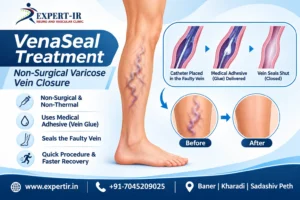
VenaSeal Treatment in India | Cost, Procedure, Risks

VenaSeal treatment is a minimally invasive, non-thermal procedure that uses medical-grade adhesive to seal faulty veins and treat varicose veins. Learn how the procedure works, who is a suitable candidate, its benefits, recovery time, possible risks and treatment cost in India. Discover whether VenaSeal is the right option for you at Expert IR Neuro & Vascular Clinic, Pune.

Read More »
Leg Doppler Test_ Benefits and Uses

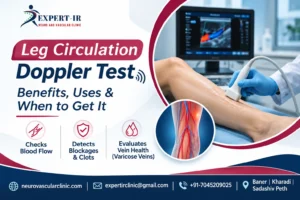
Leg Circulation Doppler Test in Pune | Benefits, Uses & When to Get It

A leg circulation Doppler test is a painless, non-invasive ultrasound scan that checks blood flow through the arteries and veins in your legs. Learn how it helps detect blocked arteries, blood clots, varicose veins and poor circulation, along with its benefits, procedure, preparation and when you should get tested. Discover expert vascular evaluation at Expert IR Neuro & Vascular Clinic in Pune.

Read More »