Can PAD Cause Non-Healing Foot Wounds? Causes | Risks | Treatment
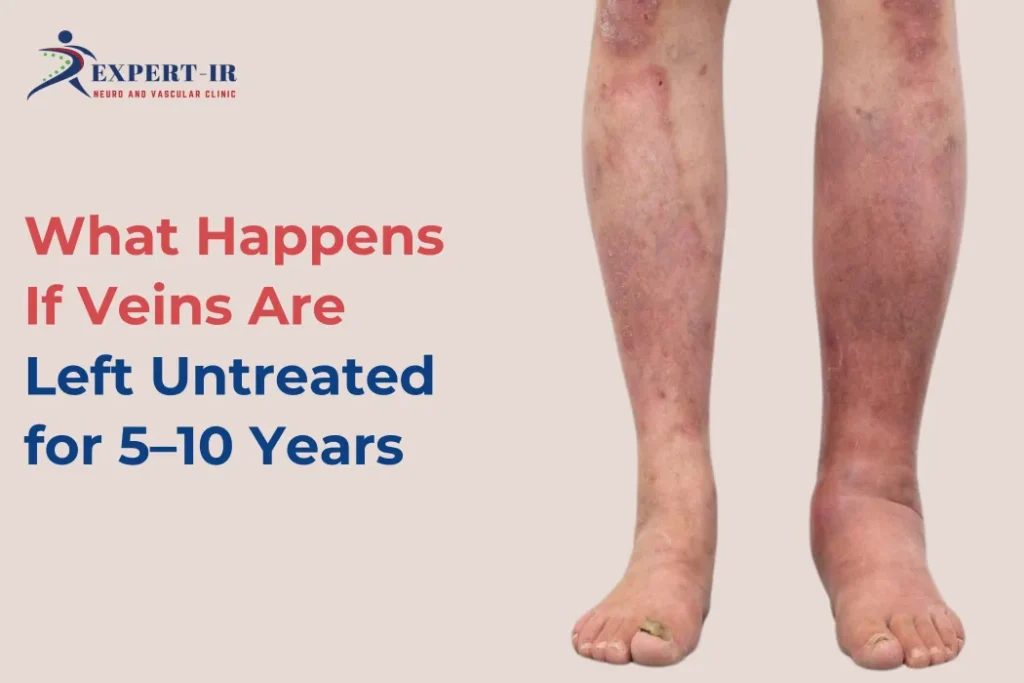
A small cut on the foot usually heals within days. But when a wound doesn’t heal for weeks, it can signal a serious underlying problem—poor blood circulation. One of the most common and dangerous causes of non-healing foot wounds is Peripheral Artery Disease (PAD).
This raises an important clinical question: Can PAD cause non-healing foot wounds?
The answer is YES and it is one of the most serious complications of PAD, especially in people with diabetes. Understanding the connection can help prevent infections, tissue damage & even amputation.
What Is PAD and How Does It Affect the Foot?
Peripheral Arterial Disease also known as PAD occurs when arteries supplying blood to the legs become narrowed or blocked due to plaque buildup. This reduces blood flow to the lower limbs.
When blood flow is reduced:
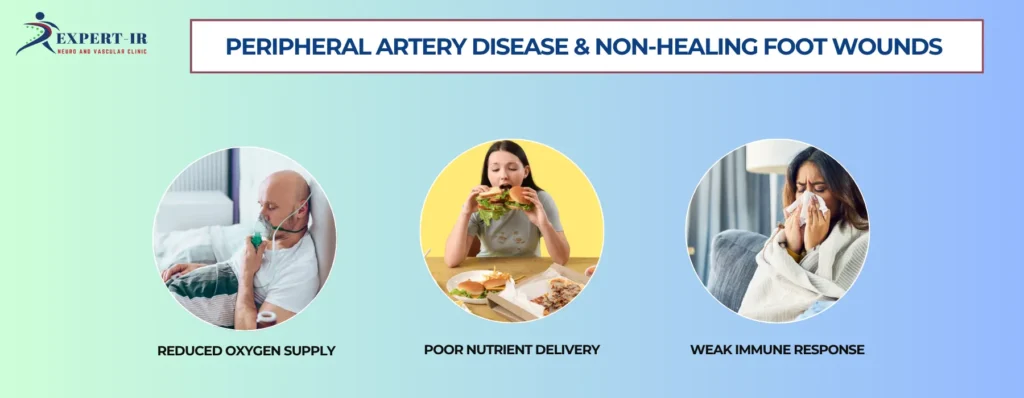
Oxygen supply to tissues decreases
Nutrients needed for healing are limited
Immune response becomes weaker
This will creates the perfect condition for wounds that fail to heal properly.
Why PAD Causes Non-Healing Foot Wounds
1. Reduced Oxygen Supply
Healing requires oxygen. Blocked arteries prevent sufficient oxygen from reaching the wound, delaying or stopping healing.
Neuropathy (reduced sensation, so injuries go unnoticed)
Poor wound healing
Higher infection risk
Faster progression to severe complications
This combination is known as diabetic foot syndrome.
Warning Signs of PAD-Related Foot Wounds
Early identification is crucial. Watch for:
Wounds that don’t heal within 2–3 weeks
Black or darkened skin around the wound
Cold feet or toes
Pain in legs while walking or at rest
Reduced pulses in the foot
Advanced Stage of PAD
If you do not treat PAD, then it can progress to Critical Limb Ischemia, the most severe stage.
Symptoms include:
Persistent pain even at rest
Non-healing ulcers
Tissue death (gangrene)
This stage has a high risk of amputation if not treated urgently.
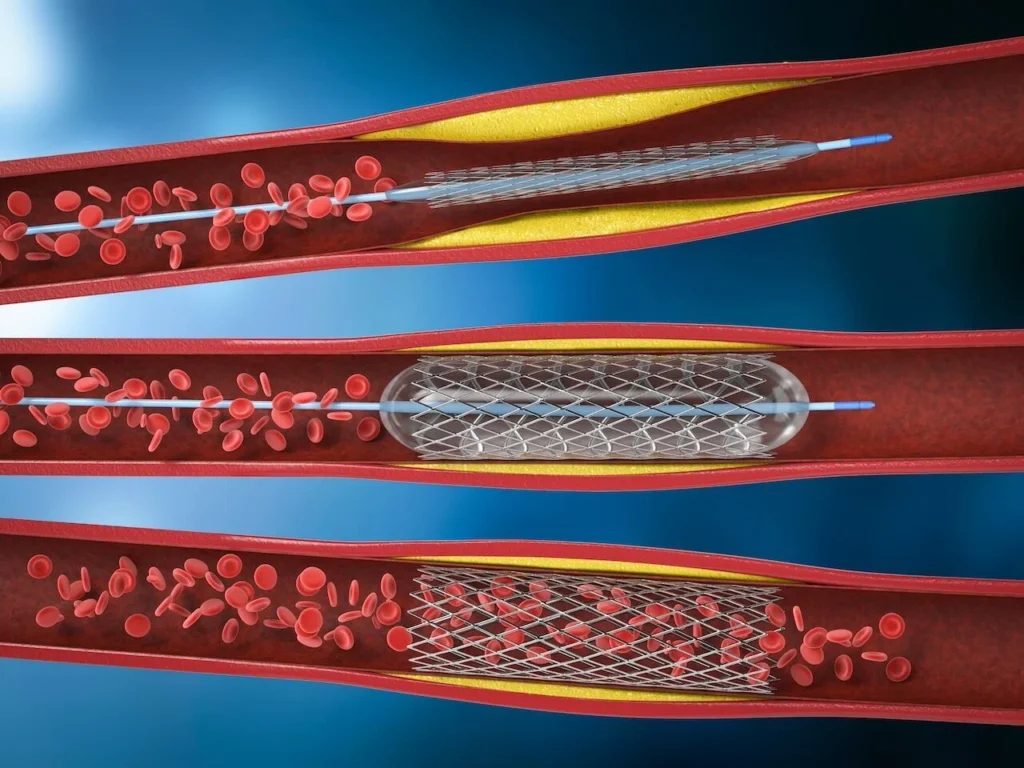
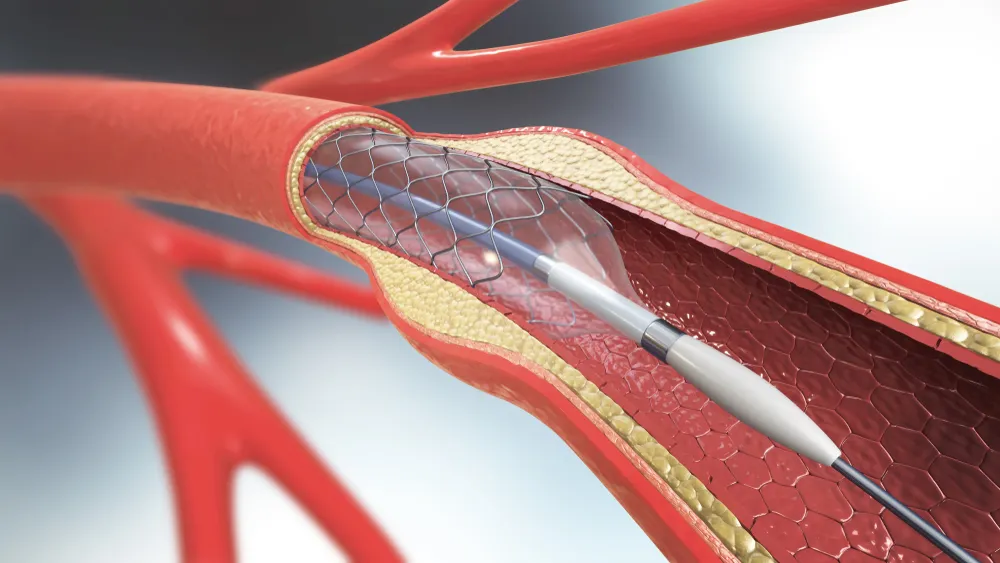
3. Advanced Endovascular Techniques
Depending on severity:
Drug-coated balloons
Atherectomy (plaque removal)
Complex revascularization procedures
These restore circulation even in severe blockages.
How PAD-Related Wounds Are Diagnosed
Firstly, Diagnosis focuses on assessing blood flow:
Clinical examination
Doppler ultrasound
Angiography (to identify exact blockage)
At Expert IR Neuro & Vascular Clinic, advanced imaging is used for early detection. Dr. Santosh Patil specializes in identifying arterial blockages and planning precise treatment.
Best Treatment for PAD Related Non-Healing Wounds
1. Restoring Blood Flow
Healing cannot occur without proper circulation. The primary goal is to open blocked arteries.
These support healing but are not effective without restoring blood flow.
Conclusion
Yes, PAD is a major cause of non-healing foot wounds specially in diabetic patients. Reduced blood flow prevents healing, increases infection risk that can lead to serious complications if ignored.
The key to recovery is simple but critical: Restore blood flow early and treat the root cause
With modern minimally invasive treatments, even advanced cases can be managed effectively without major surgery.