Best Time to Treat Varicose Veins | Doctors Recommentation

Varicose veins are a common vascular condition that affects people of all ages. Characterized by twisted, bulging veins—usually seen on the legs—they are more than just a cosmetic concern. Varicose veins can lead to pain, swelling, heaviness, itching, and long-term complications like venous ulcers or blood clots.

One of the most common questions patients ask is:
“When is the best time to treat varicose veins?”

While varicose veins can be treated at any stage, specialists often recommend specific seasons and situations when treatment becomes easier, more effective, and more comfortable for patients. In this patient-focused guide, we’ll explore the ideal time for treatment, the reasons behind it, and expert recommendations from Dr. Santosh Patil – a leading vascular surgeon in Pune known for his expertise in minimally invasive vein treatments.

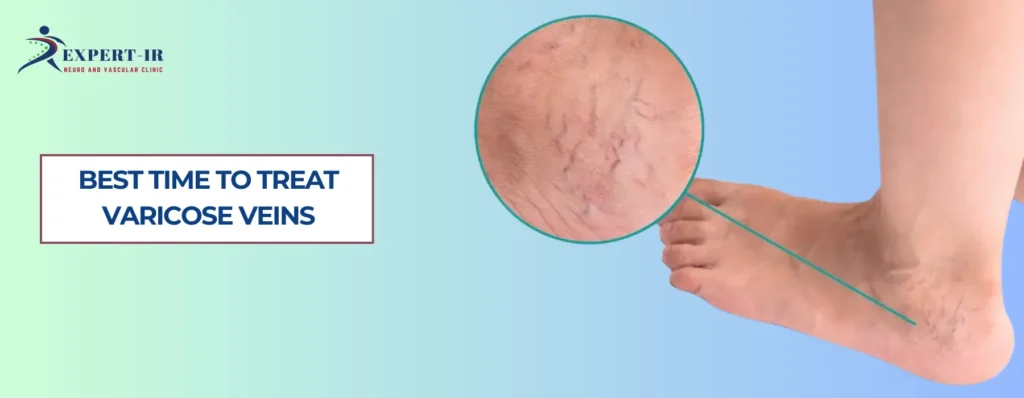
Best Time to Treat Varicose Veins

Best Time to Treat Varicose Veins: Doctors’ Recommendation

Varicose vein treatment is effective throughout the year, but many vascular experts—including Dr. Santosh Patil—recommend certain periods when treatment offers maximum comfort and quicker healing.

Here are the ideal times to consider varicose vein treatment:

1. Winter and Early Spring – The Most Ideal Seasons

The cooler months are considered the best time to treat varicose veins. Here’s why:

  • Better Healing in Cool Weather: Cool temperatures reduce inflammation and swelling. This supports smoother, faster healing after procedures like EVLT, RFA, or glue treatment.
  • Comfortable Use of Compression Stockings: Wearing compression stockings is easier in winter, as they can feel uncomfortable in warm or humid weather.
  • Less Sun Exposure: Post-treatment, it’s important to avoid direct sunlight to prevent skin discoloration. Winter makes this easier.
  • Easier to Cover Bruising or Bandages: Winter clothing naturally hides healing marks, making the process more discreet.

2. When Symptoms Begin or Worsen

One of the biggest mistakes patients make is waiting too long. If you notice increasing symptoms such as:

  • Swelling
  • Pain
  • Itching
  • Restless legs
  • Skin darkening

3. Before Major Social Events or Travel

If you have upcoming events like weddings, vacations, or business travel, treating varicose veins beforehand improves mobility, comfort, and confidence. Since modern treatments involve minimal downtime, you can return to normal activities quickly.

For long flights, treating varicose veins reduces the risk of DVT (deep vein thrombosis), a potentially serious complication.

4. When Ulcers, Skin Changes, or Infection Appear

If your varicose veins cause:

  • Skin discoloration
  • Hard, thickened skin
  • Recurrent infections
  • Slow-healing wounds

5. When You Want Minimally Invasive Treatment

Today’s advanced vein procedures—such as EVLT, RFA, Foam Sclerotherapy, or Glue Treatment—are safe, quick, and do not require hospitalization. If you are seeking a fast, comfortable, walk-in/walk-out solution, anytime is a good time to get treated.

These procedures offer:

  • No major incision
  • No stitches
  • Minimal pain
  • Fast recovery
  • Permanent results

Patients typically resume normal activities within 24–48 hours.

Why Winter Is the Best Time to Trreatment Varicose Veins

Dr. Santosh Patil, one of Pune’s leading vascular surgeons, highlights several reasons why winter is the preferred season:

“Winter supports the natural healing process. Reduced swelling, easier compression stocking use, and better comfort make recovery smoother. Patients treated during winter often report faster improvement and greater long-term comfort.”

He also emphasizes that:

  • Winter reduces vein dilation
  • Procedures are more comfortable
  • Follow-up appointments are easier
  • Results are more predictable

This expert-backed advice makes winter the ideal treatment window.

At Expert IR Clinic, Dr. Santosh Patil offers world-class, minimally invasive treatments for varicose veins:

  • Endovenous Laser Treatment (EVLT)
  • Radiofrequency Ablation (RFA)
  • Glue Treatment (VenaSeal)
  • Foam Sclerotherapy
  • Ultrasound-Guided Treatments
  • Compression Therapy Guidance

These techniques are:

  • Safe
  • Quick
  • Highly effective
  • Minimally painful
  • Suitable for all age groups

Treatment is fully personalized based on Doppler ultrasound findings and the patient’s symptoms.

Frequently Asked Questions (FAQs)

Yes. Doctors often recommend winter because cooler temperatures reduce swelling, healing is faster, and wearing compression stockings is more comfortable.

Absolutely. Modern treatments like EVLT, RFA, and glue therapy are minimally invasive and effective year-round.

If you experience leg heaviness, frequent cramps, swelling, itching, or visible bulging veins, it is the right time to consult a vascular surgeon.

Delaying treatment can lead to serious issues such as venous ulcers, infections, bleeding veins, and deep vein thrombosis (DVT). Early intervention with a specialist like Dr. Santosh Patil ensures better long-term vascular health.


Conclusion

The best time to treat varicose veins depends on your symptoms, lifestyle, and comfort. However, experts widely recommend winter and early spring for smoother healing and better post-treatment recovery. Regardless of the season, early action prevents complications and improves quality of life.

With modern, minimally invasive options available at Dr. Santosh Patil’s treating varicose veins has become safer, faster, and more comfortable than ever.

If you’re experiencing pain, swelling, or visible veins, there is no reason to wait—the right time to treat your varicose veins is now.
For More Details Visit Our Channel