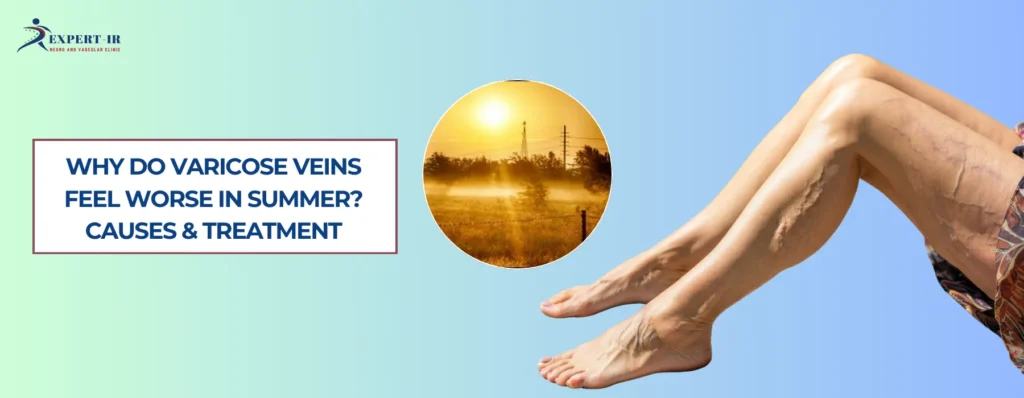
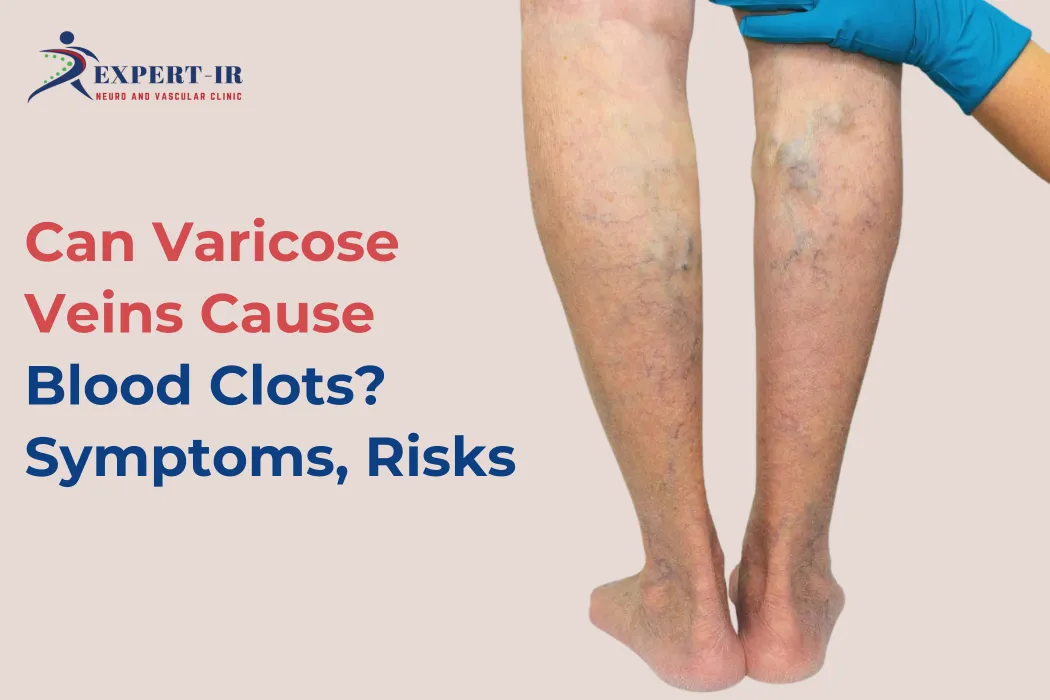
Why Do Varicose Veins Feel Worse in Summer? Causes & Treatment
Many people with varicose veins notice a clear pattern symptoms tend to worsen during the summer months. Legs may feel heavier, more swollen, and more uncomfortable compared to cooler seasons. This raises an important question: Why do varicose veins feel worse in summer?
The answer lies in how heat affects blood vessels and circulation. Understanding this connection helps patients manage symptoms better and seek the right treatment when needed.
How Heat Affects Your Veins
During hot weather, your body naturally tries to cool itself by expanding blood vessels—a process known as vasodilation. While this helps regulate body temperature, it also causes veins to widen.
In healthy veins, this is not a major issue. However, in varicose veins—where valves are already weak—widened veins allow more blood to pool, increasing pressure and worsening symptoms.
Why Do Varicose Veins Feel Worse in Summer
Increased Blood Pooling
Heat causes veins to expand, making it harder for blood to flow back to the heart. This leads to increased pooling in the legs, especially after long hours of standing or sitting.
More Swelling in Legs and Ankles
Fluid retention increases in hot weather, leading to noticeable swelling around the ankles and feet. This adds to the feeling of heaviness and tightness.
Increased Leg Fatigue and Heaviness
As circulation becomes less efficient, muscles receive less oxygen-rich blood. This results in tired, heavy legs by the end of the day.
Visible Veins Become More Prominent
Dilated veins appear larger and more noticeable in summer, which can increase cosmetic concerns along with physical discomfort.
Dehydration Worsens Circulation
Hot weather often leads to dehydration, which thickens the blood slightly and reduces circulation efficiency, adding to vein-related symptoms.
Who Is More Affected During Summer?
Certain groups experience more severe symptoms during summer:
- People with standing or sitting jobs
- Pregnant women
- Elderly individuals
- Those with existing venous insufficiency
- Overweight individuals
For these individuals, heat acts as an additional stress factor on already weakened veins.
How to Manage Varicose Veins in Summer
Stay Hydrated
Drinking enough water helps maintain proper blood flow and reduces the effects of dehydration on circulation.
Elevate Your Legs
Raising your legs above heart level for short periods helps reduce venous pressure and swelling.
Use Compression Stockings
Compression stockings support veins and improve blood flow. Lightweight, breathable options are available for summer use.
Avoid Prolonged Standing or Sitting
Take breaks to move around and activate the calf muscles, which help pump blood back to the heart.
Keep Your Legs Cool
Avoid direct heat exposure and use cool water or air conditioning to reduce discomfort.
When Symptoms Indicate a Bigger Problem
If symptoms worsen significantly in summer—such as persistent swelling, skin discoloration, itching, or non-healing wounds—it may indicate advancing venous disease.
In such cases, lifestyle measures alone are not enough, and medical treatment is required.
Best Treatment for Varicose Veins
Modern treatment focuses on minimally invasive, non-surgical techniques that permanently close faulty veins.
Endovenous Laser Treatment (EVLA)
Laser energy is used to seal the vein, improving circulation and relieving symptoms.
Radiofrequency Ablation (RFA)
Thermal energy is used to close damaged veins safely and effectively.
These treatments:
- Require no major surgery
- Allow same-day walking
- Offer long-term relief
At Expert IR Clinic, advanced, image-guided procedures are used for precise treatment. Dr. Santosh Patil specializes in non-surgical vein care with faster recovery and lasting results.
Frequently Asked Questions (FAQs)
Why do varicose veins hurt more in summer?
Yes. High temperatures reduce circulation efficiency and increase swelling, making symptoms more noticeable.
Heat leads to fluid retention and vein dilation, causing increased swelling in the legs and ankles.
Yes. Dehydration thickens the blood and slows circulation, which can worsen vein-related symptoms.
Staying hydrated, elevating legs, wearing compression stockings, and avoiding prolonged standing can help manage symptoms.
For More Details Visit Our Channel
Recent Articles
Why Do Varicose Veins Feel Worse in Summer? Causes & Treatment
Is varicose veins surgery risky for diabetic patients?
Heavy Menstrual Bleeding & Fibroids | Causes & Treatment
Are Varicose Veins More Common After Pregnancy? Causes
Ovarian vein reflux occurs when vein valves weaken or fail, allowing blood to flow backward and pool in the pelvic veins. Hormonal changes (especially high estrogen levels), pregnancy, and multiple childbirths increase the risk.
Persistent pain, skin discoloration, non-healing ulcers, and recurrent bleeding are signs of advanced disease requiring urgent evaluation.
Yes. Laser treatment is less invasive, has quicker recovery, and offers high long-term success rates compared to traditional surgery.
A Doppler ultrasound examination determines severity and helps decide whether surgery or minimally invasive treatment is required.
Yes. Advanced cases may lead to ulcers, infections, or blood clots if left untreated.