What Happens Inside a Vein During Varicose Veins? Causes & Process
Varicose veins are often recognized by their bulging, twisted appearance on the legs, but what truly matters is what’s happening inside the vein. Beneath the surface, a series of structural and functional changes occur that gradually turn a healthy vein into a diseased one.
Understanding this internal process is essential—not just for awareness, but for choosing the right treatment at the right time.
How a Healthy Vein Works
In a normal vein, blood flows upward toward the heart, even against gravity. This is made possible by:
- One-way valves inside the vein
- Muscle contractions (especially in the calves)
- Elastic vein walls that maintain pressure
These valves open to allow upward flow and close to prevent backward movement. This system ensures smooth and efficient circulation.
What Changes First in Varicose Veins?
The earliest problem begins with valve failure.
When vein valves weaken or become damaged:
- They fail to close properly
- Blood starts flowing backward (called venous reflux)
- Pressure builds up inside the vein
This is the starting point of varicose vein disease.
Stage-by-Stage: What Happens Inside the Vein
1. Blood Starts Pooling
Because valves are not working, blood begins to collect in the vein instead of moving upward. This pooling increases internal pressure.
2. Vein Walls Stretch and Dilate
As pressure increases:
- Vein walls lose elasticity
- The vein becomes wider (dilated)
- Valves become even less effective
This creates a vicious cycle—more dilation leads to more reflux.
3. Valve Function Worsens
Once the vein enlarges:
- Valve leaflets can no longer meet properly
- Backflow increases
- Blood stagnates for longer periods
At this stage, symptoms like heaviness and fatigue begin.
4. Increased Venous Pressure (Venous Hypertension)
Persistent pooling leads to venous hypertension, which causes:
- Fluid leakage into surrounding tissues
- Swelling in legs and ankles
- Reduced oxygen supply to tissues
This is why patients feel heaviness, tightness, and discomfort.
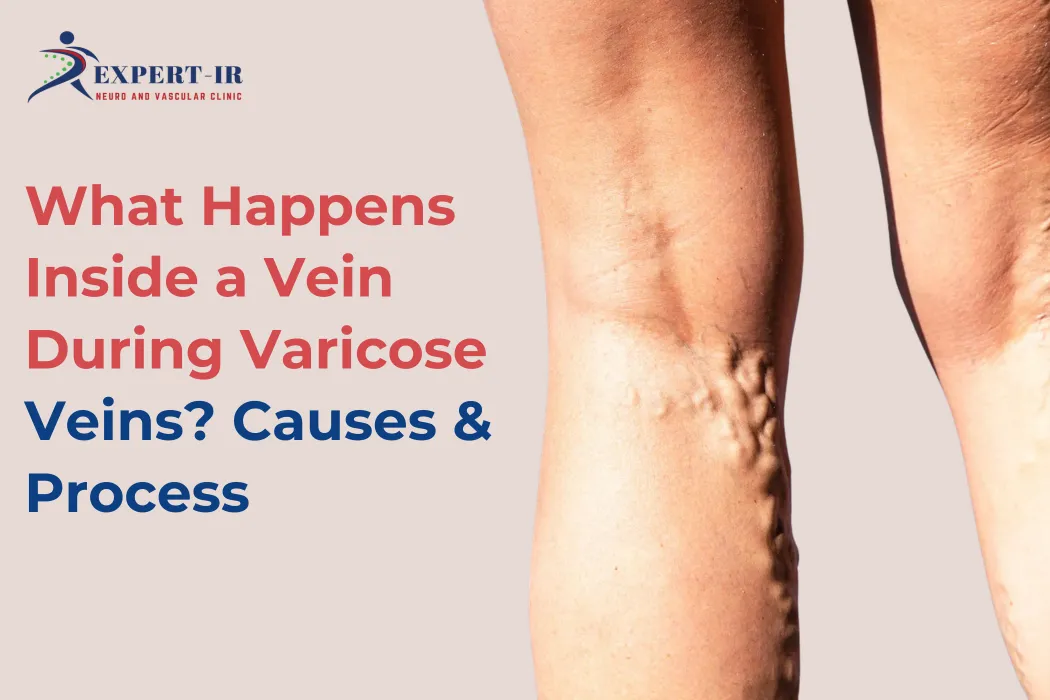
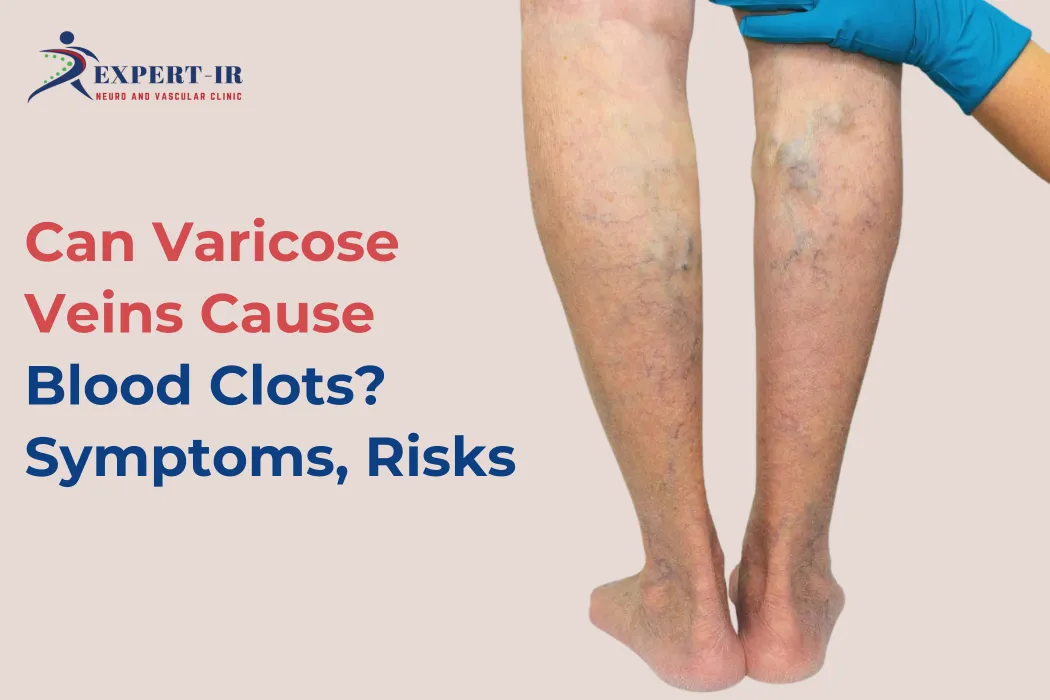
5. Visible Varicose Veins Appear
Eventually, the internal changes become visible:
- Twisted, bulging veins
- Blue or purple discoloration
- Prominent veins under the skin
By this stage, the disease has already been progressing for months or years.
How Modern Treatment Fixes the Problem
Modern treatment focuses on eliminating the faulty vein from circulation.
Laser Treatment (EVLA)
A laser fiber is inserted into the vein and heat is applied to seal it shut.
Radiofrequency Ablation (RFA)
Thermal energy closes the vein safely.
Once closed:
- Blood reroutes through healthy veins
- Pressure reduces
- Symptoms improve
At Expert IR Neuro & Vascular Clinic, treatment is guided by Doppler imaging for precision. Dr. Santosh Patil, expert vascular surgeon specializes in minimally invasive techniques that directly target the root cause.
Frequently Asked Questions (FAQs)
The main issue is valve failure, which causes blood to flow backward and pool inside the vein.
Increased pressure from blood pooling stretches the vein walls, causing them to enlarge and become visible.
Venous reflux is the backward flow of blood in the veins due to faulty valves, leading to pooling and increased pressure.
Yes. They reduce efficient blood flow and cause blood to stagnate in the affected veins.
No. Once damaged, vein valves cannot heal naturally and require medical treatment.
For More Details Visit Our Channel
Recent Articles
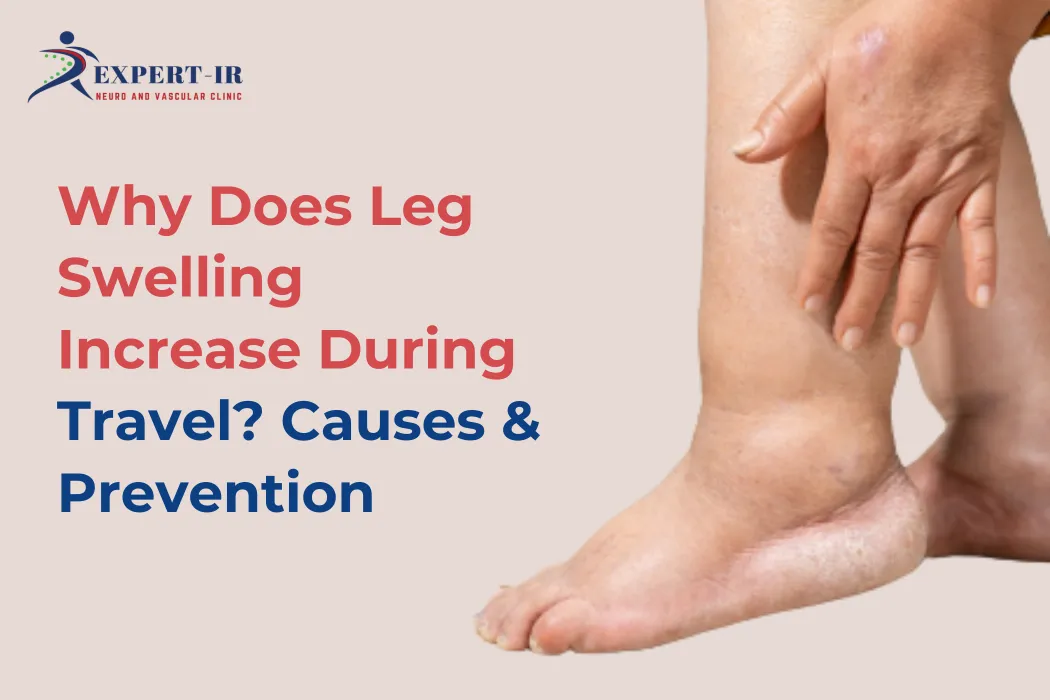
Why Does Leg Swelling Increase During Travel? Causes & Prevention
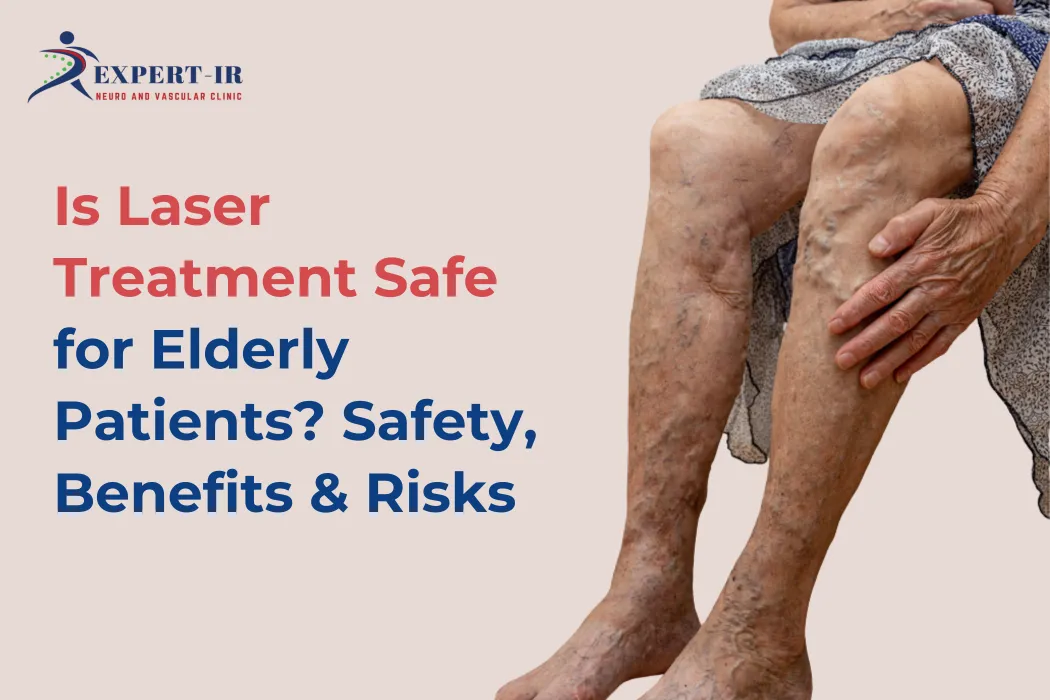
Is Laser Treatment Safe for Elderly Patients? Risks & Benefits
Can Varicose Veins Cause Blood Clots? Symptoms, Risks
Ovarian vein reflux occurs when vein valves weaken or fail, allowing blood to flow backward and pool in the pelvic veins. Hormonal changes (especially high estrogen levels), pregnancy, and multiple childbirths increase the risk.
Persistent pain, skin discoloration, non-healing ulcers, and recurrent bleeding are signs of advanced disease requiring urgent evaluation.
Yes. Laser treatment is less invasive, has quicker recovery, and offers high long-term success rates compared to traditional surgery.
A Doppler ultrasound examination determines severity and helps decide whether surgery or minimally invasive treatment is required.
Yes. Advanced cases may lead to ulcers, infections, or blood clots if left untreated.