What Are the Side Effects of Varicose Veins? Symptoms, Risks

Varicose veins are often seen as a cosmetic problem, but in reality, they are a sign of deeper venous issues that affect circulation and long-term leg health. Many people ignore early symptoms like leg heaviness or visible bulging veins, assuming they are harmless. Unfortunately, untreated varicose veins can lead to several side effects, ranging from mild discomfort to serious vascular complications.

Understanding these side effects helps patients seek timely treatment and avoid long-term problems. In this article, we explore the common side effects, symptoms, and health risks of varicose veins, along with expert guidance from Dr. Santosh Patil, a leading vascular surgeon in Pune, who specializes in minimally invasive vein treatments.

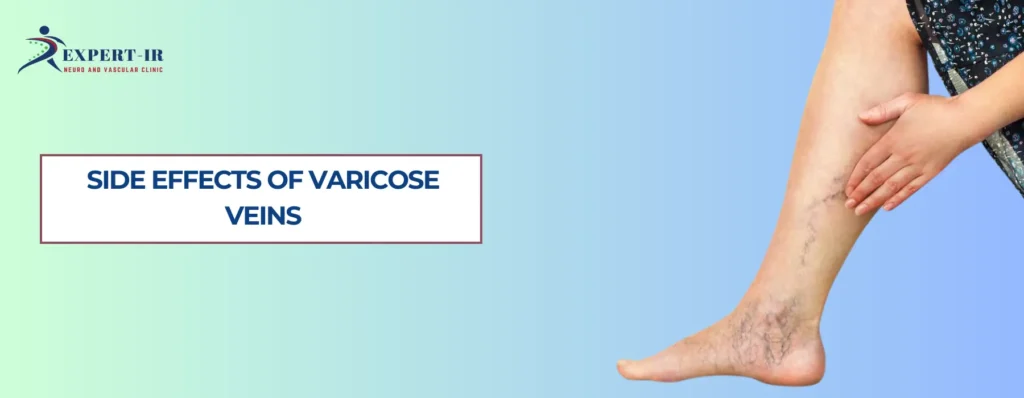
Side Effects of Varicose Veins

Understanding Varicose Veins

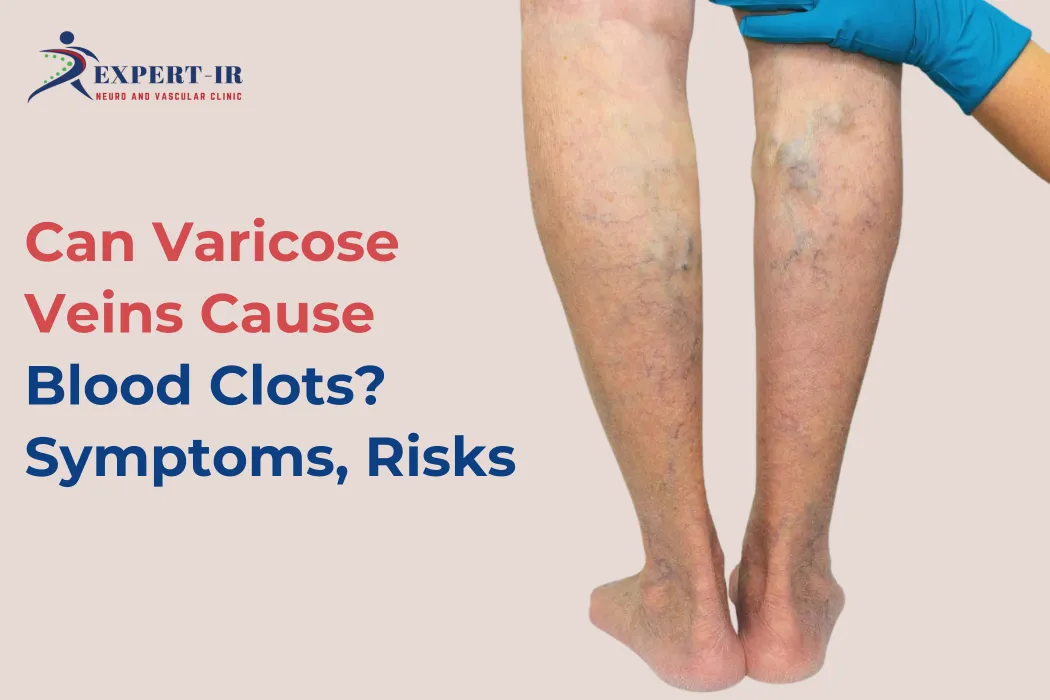
Varicose veins occur when the valves inside the leg veins become weak or damaged. These valves are supposed to ensure that blood flows upward toward the heart. When they fail, blood starts to pool inside the veins, causing them to expand, bulge, and twist beneath the skin.

Although anyone can develop varicose veins, the risk increases with age, pregnancy, prolonged standing, obesity, genetics, and hormonal changes.

While they may start as mild discomfort, the side effects can worsen if left untreated—affecting mobility, circulation, and overall quality of life.

What Are the Side Effects of Varicose Veins?

Varicose veins can affect your legs physically, cosmetically, and medically. Below are the most common side effects patients experience.

1. Leg Pain, Heaviness, and Fatigue

One of the earliest side effects is persistent leg pain and heaviness, especially after standing or walking for long periods. Many patients describe this as:

  • A dull ache
  • Throbbing or burning sensation
  • Heavy legs at the end of the day
  • Fatigue in the calf muscles

This happens because affected veins struggle to push blood upward, creating pressure and discomfort.

2. Swelling in the Ankles and Feet

Blood pooling inside the veins can cause fluid retention, also called edema. Swelling is more noticeable:

  • Around the ankles
  • After long hours of sitting or standing
  • During the evening

This side effect is a warning that circulation is compromised and needs medical evaluation.

3. Skin Changes and Discoloration

As varicose veins worsen, skin changes may appear due to inflammation and poor blood flow. These changes include:

  • Dark brown or purple discoloration
  • Dry, scaly skin
  • Red or itchy patches
  • Thickening or hardening of the skin (lipodermatosclerosis)

These symptoms indicate chronic venous insufficiency—a sign that the disease has progressed.

4. Itching and Skin Irritation

The skin around varicose veins becomes dry and irritated, often leading to itching. Some patients mistake this for an allergic reaction, but it is actually caused by inflammation inside the veins. Scratching the area can worsen irritation and lead to infection.

5. Restless Leg Syndrome (RLS)

Many patients report restlessness in the legs, especially at night. This happens when the veins are unable to circulate blood efficiently. RLS caused by varicose veins often improves significantly after treatment.

6. Leg Cramps and Burning Sensation

Night-time cramps are a common side effect. Poor blood circulation can cause the muscles to tense up, leading to sudden cramps or sharp pains. A burning or tingling sensation along the veins is also common.

Serious Health Risks of Untreated Varicose Veins

1. Venous Ulcers (Non-Healing Wounds)

One of the most severe complications is venous ulcers, usually forming around the ankle. These wounds are painful, slow healing, and prone to infection.

If you notice:

  • Dark discoloration near the ankle
  • Thickened skin
  • Fluid leakage
2. Blood Clots (Superficial Thrombophlebitis)

Inflammation in the veins can lead to superficial blood clots, causing:

  • Hard, warm, tender lumps along the vein
  • Redness
  • Pain while walking

Although these clots are not life-threatening, they can progress if ignored.

3. Deep Vein Thrombosis (DVT)

A more dangerous complication is deep vein thrombosis, where a clot forms deep inside the leg. DVT is a medical emergency because it can lead to a pulmonary embolism, where the clot travels to the lungs.

Warning signs of DVT:

  • Severe swelling
  • Intense pain in one leg
  • Warm or red skin
  • Sudden tightness in the calf
4. Bleeding from Varicose Veins

Varicose veins close to the skin surface can burst suddenly, leading to unexpected bleeding. Even minor trauma, such as scratching or bumping the leg, can break the vein. This condition requires urgent medical evaluation and long-term treatment to prevent recurrence.

5. Skin Infection (Cellulitis)

Poor circulation weakens the skin’s natural barrier, making it more prone to bacterial infections. Cellulitis can cause:

  • Redness
  • Warmth
  • Swelling
  • Fever

As one of Pune’s leading vascular surgeons, Dr. Santosh Patil specializes in diagnosing and treating varicose veins using modern, non-surgical techniques such as:

Dr. Santosh’s patient-centric approach ensures:

  • Accurate vascular mapping
  • Personalized treatment plans
  • Minimal pain, quick recovery
  • Prevention of long-term complications

Frequently Asked Questions (FAQs)

Patients often experience leg pain, swelling, itching, skin discoloration, night cramps, heaviness, and visible bulging veins. These symptoms worsen over time if proper treatment is not taken.

Yes. Poor circulation can lead to dry skin, eczema, dark pigmentation, and even cellulitis (skin infection). If not treated, these issues may progress to non-healing venous ulcers.

Absolutely. Varicose veins can lead to superficial thrombophlebitis or, in severe cases, deep vein thrombosis (DVT). DVT is a medical emergency because a clot can travel to the lungs.

Yes. While early symptoms may seem mild, untreated varicose veins can lead to serious complications such as venous ulcers, blood clots (DVT), bleeding, and chronic venous insufficiency. Early diagnosis helps prevent long-term damage.

Conclusion

Varicose veins are more than just enlarged veins on the legs—they are an indicator of underlying venous insufficiency that can lead to significant health problems if untreated. Side effects such as pain, swelling, skin changes, and itching may seem manageable at first, but they can quickly progress to ulcers, infections, and blood clots.

The good news is that modern treatments offer permanent relief without surgery, and early diagnosis is key. With expert care from Dr. Santosh Patil – Vascular Surgeon in Pune, patients can achieve long-term vascular health, restored confidence, and pain-free mobility.

If you’re experiencing symptoms of varicose veins, don’t wait. Seek expert guidance and protect your leg health before complications develop. Your legs deserve timely treatment and lifelong comfort.
For More Details Visit Our Channel