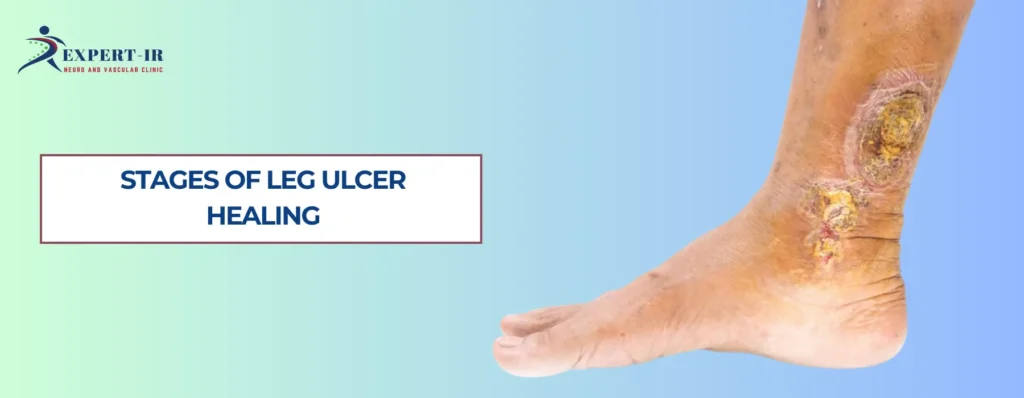
Stages of Leg Ulcer Healing | 6 Stages you should Know

A leg ulcer is a wound on the lower leg that does not heal quickly and often reopens if the underlying cause is not treated. Most leg ulcers develop due to poor circulation, either from venous insufficiency, arterial disease, diabetes, trauma, or infection. While patients often focus on the ulcer itself, understanding the healing process plays a crucial role in recovery and long-term prevention.

Leg ulcer healing does not happen overnight. It follows a series of predictable stages that indicate whether the wound is improving or deteriorating. Recognizing these stages also helps patients monitor progress, follow medical advice carefully, and seek help promptly if healing slows down.

In this article, we explore the 6 key stages of leg ulcer healing, along with expert insights from Dr. Santosh Patil, one of the most trusted vascular surgeons in Pune, who specializes in diagnosing and treating venous and arterial ulcers with advanced, minimally invasive techniques.

Stages of Leg Ulcer Healing

What is Leg Ulcers?

Before discussing the healing stages, it is important to understand why leg ulcers occur. A leg ulcer is typically caused by:

  • Venous insufficiency
  • Arterial blockage (PAD)
  • Diabetes-related nerve damage
  • Trauma or injury
  • Infection
  • Blood circulation problems

Venous ulcers, which are the most common type, occur when damaged vein valves cause blood to pool in the legs, increasing pressure on the skin and tissues. Arterial ulcers develop when blocked arteries limit oxygen supply to tissues.

Regardless of the type, leg ulcers require professional care, accurate diagnosis, and appropriate treatment to ensure proper healing and prevention of recurrence.

6 Stages of Leg Ulcer Healing

Leg ulcer healing typically progresses through six key stages, each reflecting an important transformation in tissue repair. Monitoring these stages helps patients understand whether the wound is healing properly or needs medical attention.

Stage 1: Tissue Damage and Inflammation

The first stage begins when the skin breaks down due to poor circulation, pressure, or injury. The body responds with inflammation, which is a natural defense mechanism.

Typical signs include:

  • Redness around the wound
  • Swelling
  • Warmth or tenderness
  • Mild bleeding or clear discharge
  • Pain or discomfort

This stage can last several days. If swelling or redness becomes severe, infection may be present. Early evaluation by a vascular specialist like Dr. Santosh Patil ensures that the cause of the ulcer—whether venous or arterial—is correctly identified and treated.

Stage 2: Debridement (Removal of Dead Tissue)

A leg ulcer cannot heal until dead or infected tissue is removed. This second stage is known as debridement. The wound may look worse as unhealthy tissue is cleared out, but this is a positive sign.

The ulcer may show:

  • Black (necrotic) tissue
  • Yellow slough
  • Thickened edges
  • Foul odor if infected

Debridement is crucial for preventing infection and stimulating fresh tissue growth. Under the care of Dr. Santosh Patil, debridement is performed safely using advanced wound care methods, ensuring minimal discomfort and quicker healing progression.

Stage 3: Granulation Tissue Formation

This is one of the clearest signs that the wound is healing. Granulation tissue appears as fresh, bumpy, red or pink tissue that fills the wound bed. It indicates healthy blood flow and new tissue formation.

Signs of granulation:

  • Pink or red moist appearance
  • Reduced depth of the ulcer
  • Fewer signs of slough
  • Less pain and swelling

Healthy granulation tissue is essential for rebuilding the skin layers. If the tissue appears pale or dark, it may indicate poor blood flow or infection—prompt medical attention is needed.

Stage 4: Contraction of the Wound

After granulation, the wound begins to contract. The edges of the ulcer slowly move toward the center, reducing its size. This stage shows that the healing process is progressing properly.

You may notice:

  • The wound becoming smaller
  • Edges pulling inward
  • More firmness around the wound
  • Less drainage or discharge

Proper circulation and compression therapy (for venous ulcers) support this stage. Dr. Santosh Patil often recommends medical-grade compression stockings to enhance venous return and speed up healing.

Stage 5: Epithelialization (New Skin Formation)

During this stage, the wound is covered by a thin layer of new skin. This new skin starts at the edges of the ulcer and gradually spreads across the surface.

Signs include:

  • Skin-like tissue appearing at the border
  • Pink, shiny new skin covering the wound
  • Almost no pain
  • Minimal drainage

This is a fragile stage—any trauma, scratching, or pressure can delay healing. Protecting the area is essential.

Stage 6: Maturation and Scar Strengthening

The final stage involves the strengthening of the newly formed skin and shaping of the scar tissue. Full healing may take weeks or months, depending on the severity of the ulcer.

Signs include:

  • Formation of firm scar tissue
  • Balanced skin tone gradually returning
  • No drainage or swelling
  • Improved comfort and mobility

Even after healing, patients must continue preventive care to avoid recurrence—especially if venous insufficiency is the underlying cause.

Why Some Leg Ulcers Heal Slowly

Not all leg ulcers heal at the same speed. Healing may be delayed by:

  • Poor blood circulation
  • Diabetes
  • Smoking
  • Infection
  • Obesity
  • Untreated varicose veins
  • Repeated trauma
  • Lack of proper compression therapy

Slow healing should never be ignored. With proper vascular assessment and treatment from an expert like Dr. Santosh Patil, most ulcers can heal effectively and safely.

Leg ulcer healing is not only about surface wound care—it requires addressing the underlying vascular cause. As a leading vascular surgeon in Pune, Dr. Santosh Patil specializes in:

  • Venous Doppler evaluation
  • Arterial Doppler for PAD
  • Minimally invasive varicose vein treatment (EVLT, RFA, Glue Therapy)
  • Compression therapy guidance
  • Advanced wound care
  • Ulcer recurrence prevention

Patients benefit from modern, science-backed methods that improve circulation and accelerate healing.

Frequently Asked Questions (FAQs)

Healing time depends on the cause of the ulcer and how early treatment begins. Most venous ulcers may take 4–12 weeks to heal, while arterial or diabetic ulcers may take longer. Early evaluation by a vascular specialist like Dr. Santosh Patil helps speed up recovery.

Healthy signs include the formation of granulation tissue, reduction in wound size, decreased swelling, less pain, and the appearance of new pink skin around the edges. These indicate positive healing progression.

Most chronic leg ulcers do not heal on their own because the underlying vascular problem remains untreated. Proper diagnosis, compression therapy, and medical intervention are essential for complete healing.

Slow healing may be due to poor blood circulation, infection, diabetes, smoking, untreated varicose veins, or incorrect wound care.

Conclusion

Leg ulcer healing is a gradual process that follows six distinct stages—from initial tissue damage to complete scar formation. Understanding these stages helps patients track progress, avoid complications, and take better care of their legs during recovery.

However, true healing happens only when the root cause of the ulcer is diagnosed and treated. With expert guidance from Dr. Santosh Patil – Vascular Surgeon in Pune, patients receive advanced, minimally invasive care that promotes faster healing, long-term relief, and reduced recurrence.

If you or a loved one is struggling with a non-healing leg ulcer, don’t delay—early intervention ensures healthier legs and a better quality of life.
For More Details Visit Our Channel