Silent Varicocele – When There Are No Symptoms but Fertility Issues
Many men are unaware that a hidden vein problem could be affecting their fertility. You may feel completely normal, have no pain, and notice no visible symptoms, yet still struggle with low sperm count or difficulty conceiving. One common but often undiagnosed reason is a condition called varicocele.
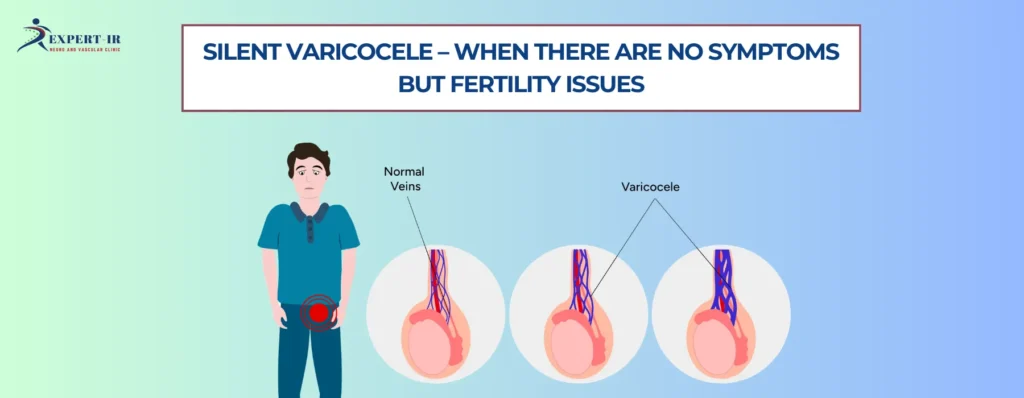
A varicocele is similar to varicose veins but occurs in the veins of the scrotum. It can silently impact sperm quality and male reproductive health without causing obvious discomfort. This is why it is often referred to as a silent varicocele.
If you are facing unexplained infertility, early evaluation and treatment by an interventional radiologist in Pune can significantly improve outcomes.
What Is a Varicocele?
A varicocele occurs when the veins that drain blood from the testicles become enlarged due to weak or faulty valves. Instead of flowing normally, blood pools inside these veins, increasing temperature and pressure around the testicles.
Healthy sperm production requires a slightly cooler temperature than the rest of the body. When blood stagnates, the temperature rises, which can negatively affect sperm health.
Over time, this may reduce:
- Sperm count
- Sperm motility
- Sperm quality
- Testosterone levels
This makes varicocele one of the leading causes of male infertility.
Why Is It Called Silent Varicocele?
Unlike leg varicose veins, varicocele often does not cause noticeable symptoms.
Many men experience:
- No pain
- No swelling
- No visible changes
- Normal daily activities
Because there are no warning signs, the condition is usually discovered only during fertility testing or a routine ultrasound. This delay can prolong infertility issues unnecessarily.
Possible Symptoms Some Men May Notice
Although often silent, a few men may experience mild signs such as:
- Dull ache or heaviness in the scrotum
- Discomfort after long standing
- Visible enlarged veins
- Testicular size difference
- Reduced fertility
Even mild symptoms should not be ignored, especially if you are planning for pregnancy.
How Does Varicocele Affect Fertility?
Varicocele impacts fertility in multiple ways.
Increased Temperature
Pooling blood raises scrotal temperature, affecting sperm production.
Poor Oxygen Supply
Stagnant blood reduces healthy circulation.
Toxin Build Up
Waste products accumulate and damage sperm cells.
Hormonal Imbalance
Testosterone production may decrease.
Studies show that varicocele is present in a large percentage of men with unexplained infertility. Treating the condition often improves sperm parameters naturally
When Should You Get Checked?
Consult a specialist if:
- You are trying to conceive for more than 6 to 12 months without success
- Your semen analysis shows low sperm count or motility
- You feel heaviness or discomfort in the scrotum
- There is visible vein enlargement
- You have a history of vein problems
Early diagnosis leads to better fertility outcomes.
Types of Varicocele Treatment - Modern Non Invasive Treatment
The good news is that varicocele treatment does not require major surgery anymore. Today, interventional radiology procedures offer safer and quicker solutions.
This is a minimally invasive, non surgical procedure where a thin catheter is inserted through a tiny puncture. The problematic veins are sealed using coils or medical agents, stopping abnormal blood flow.
Benefits of Varicocele Embolization
- No stitches
- Minimal pain
- Day care procedure
- Quick recovery
- Return to work in one or two days
- Improved sperm quality over time
This method is often preferred over traditional surgery because it is less invasive and highly effective.
Why Choose an Interventional Radiologist for Varicocele Treatment
An interventional radiologist uses ultrasound and imaging guidance to treat veins with precision. Instead of open surgery, treatment is done through small punctures, reducing risks and downtime.
This ensures:
- Higher accuracy
- Less discomfort
- Faster healing
- Better safety
- Convenient recovery
It is ideal for working professionals and couples planning fertility treatment.
For advanced and reliable care, consult Expert IR Clinic Pune, where minimally invasive vein procedures are performed using the latest technology. The clinic is led by Dr. Santosh Patil, an experienced Interventional Radiologist in Pune specializing in varicocele embolization and other vascular treatments. Patients benefit from precise diagnosis, safe procedures, and faster recovery.
Frequently Asked Questions (FAQs)
A silent varicocele, also called an asymptomatic or subclinical varicocele, is an enlargement of the scrotal veins that does not cause pain or visible swelling but may still affect sperm production and male fertility.
Can you have a varicocele without symptoms?
A silent varicocele can increase scrotal temperature and cause oxidative stress, which may reduce sperm count, motility, and morphology. This can negatively impact natural conception.
A clinical varicocele can be felt during a physical exam and may cause discomfort. A subclinical (silent) varicocele is not detectable by touch and is only seen on ultrasound imaging.
Yes. In many cases, repairing a varicocele can improve sperm concentration, motility, and morphology within 3–6 months after treatment.
For More Details Visit Our Channel
Recent Articles

Is Laser Treatment Safe for Elderly Patients? Risks & Benefits
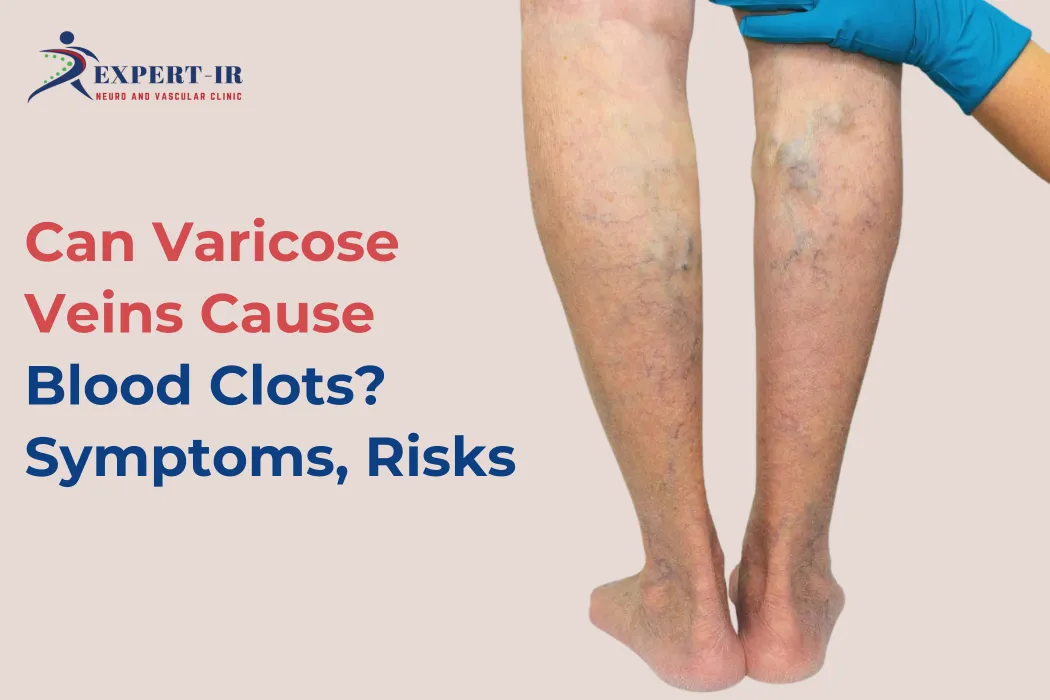
Can Varicose Veins Cause Blood Clots? Symptoms, Risks
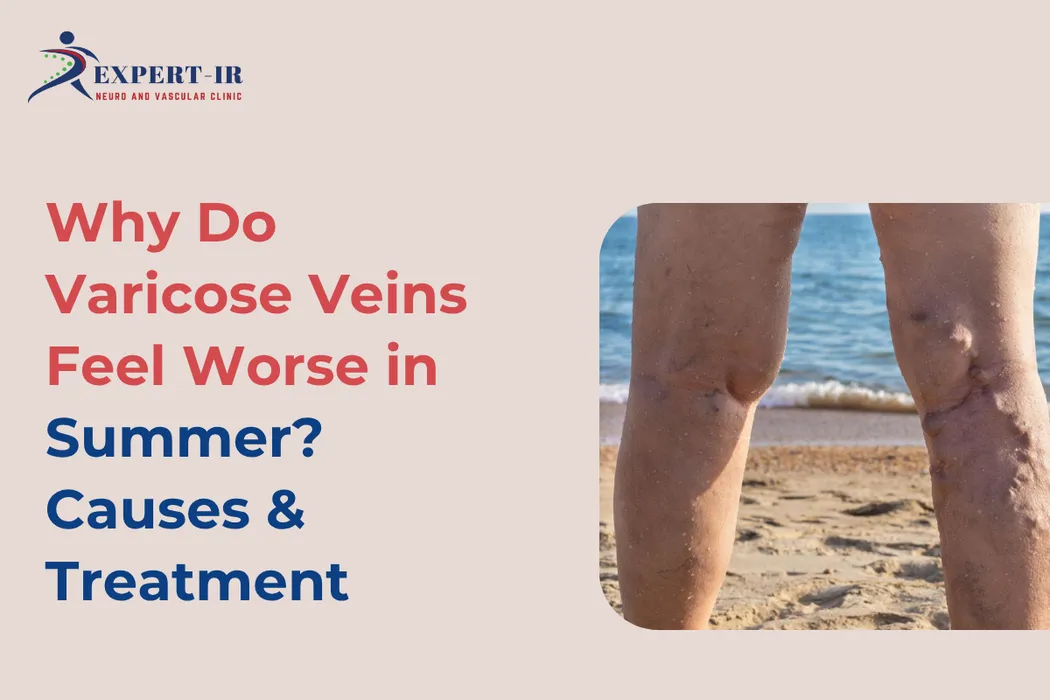
Why Do Varicose Veins Feel Worse in Summer? Causes & Treatment
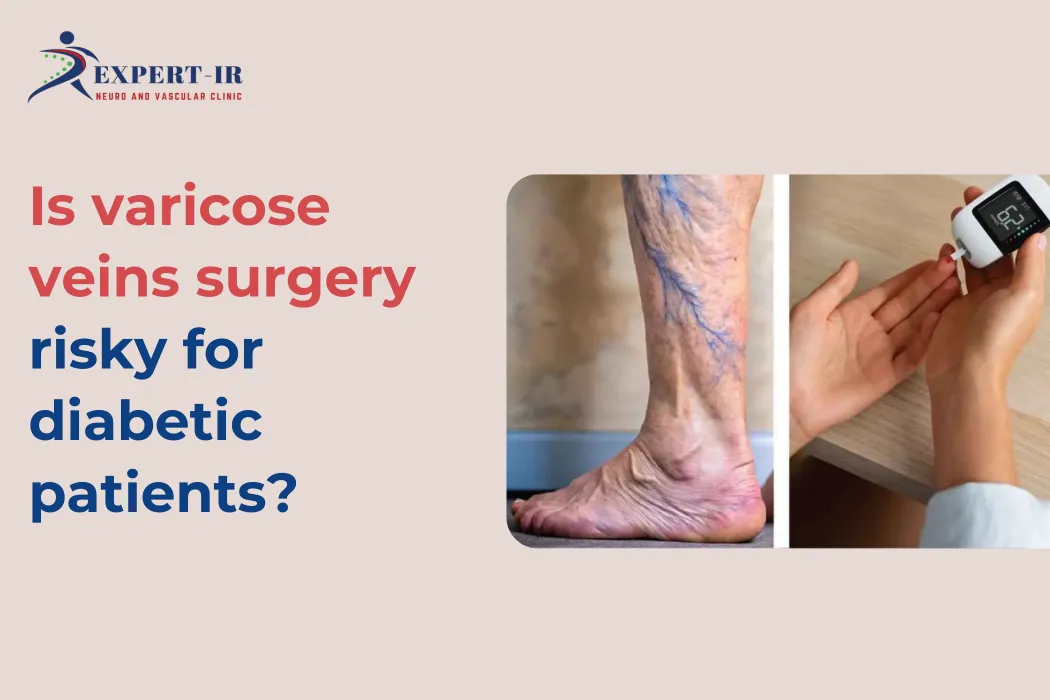
Is varicose veins surgery risky for diabetic patients?
Ovarian vein reflux occurs when vein valves weaken or fail, allowing blood to flow backward and pool in the pelvic veins. Hormonal changes (especially high estrogen levels), pregnancy, and multiple childbirths increase the risk.
Persistent pain, skin discoloration, non-healing ulcers, and recurrent bleeding are signs of advanced disease requiring urgent evaluation.
Yes. Laser treatment is less invasive, has quicker recovery, and offers high long-term success rates compared to traditional surgery.
A Doppler ultrasound examination determines severity and helps decide whether surgery or minimally invasive treatment is required.
Yes. Advanced cases may lead to ulcers, infections, or blood clots if left untreated.
