Pelvic Congestion Syndrome in Women | Hidden Cause of Chronic Pain
Many women suffer from chronic lower abdominal or pelvic pain for months or even years without a clear diagnosis. They often visit multiple doctors, try painkillers, or assume it is related to periods, hormones, or stress. However, one commonly overlooked cause of persistent pelvic pain is Pelvic Congestion Syndrome (PCS).
Pelvic Congestion Syndrome occurs due to enlarged and poorly functioning veins in the pelvic region, similar to varicose veins in the legs. Because the symptoms are vague and easily confused with gynecological issues, this condition often goes undiagnosed.
If you are searching for answers for chronic pelvic pain or unexplained heaviness in the lower abdomen, consulting an interventional radiologist in Pune can help identify and treat the root cause effectively.
What Is Pelvic Congestion Syndrome?
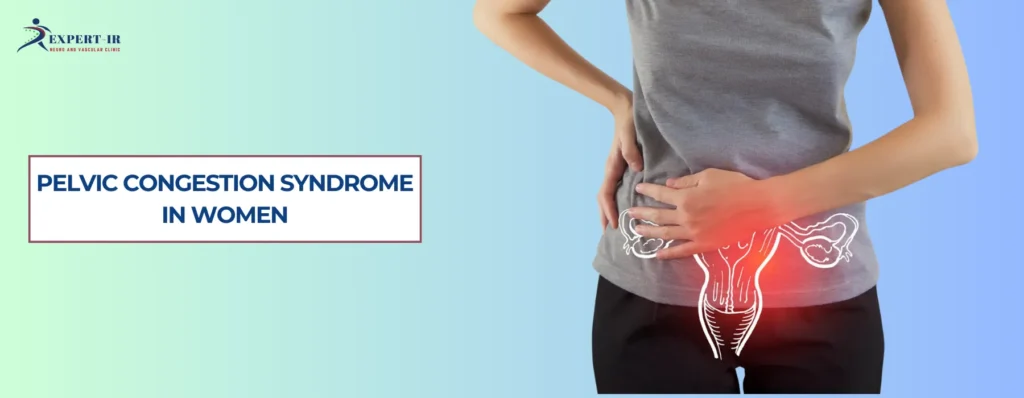
Pelvic Congestion Syndrome is a condition where veins in the pelvis become dilated and blood pools due to weak vein valves. Instead of flowing back to the heart, blood collects in these veins, creating pressure and pain.
You can think of PCS as varicose veins inside the pelvis. Just like leg varicose veins cause heaviness and swelling, pelvic vein congestion leads to discomfort in the lower abdomen.
It is more common in women between 20 and 45 years, especially those who have had multiple pregnancies.
Common Symptoms Women Often Ignore
PCS symptoms are frequently mistaken for menstrual pain or digestive problems. However, persistent symptoms should not be ignored.
Symptoms to Watch for:
- Chronic dull pelvic pain lasting more than 6 months
- Heaviness or pressure in the lower abdomen
- Pain that worsens after standing for long hours
- Pain after intercourse
- Lower back pain
- Visible varicose veins on thighs or buttocks
- Worsening pain before or during periods
- Fatigue and discomfort by evening
Pain typically increases at the end of the day due to prolonged standing or sitting.
Why Does Pelvic Congestion Syndrome Occur?
Several factors increase the risk of developing pelvic vein problems.
Pregnancy
Hormonal changes and increased blood flow weaken vein walls.
Multiple Childbirths
Repeated pressure stretches pelvic veins.
Hormonal Influence
Estrogen relaxes vein walls, making them prone to dilation.
Prolonged Standing or Sitting
Poor circulation increases blood pooling.
Family History
Weak vein valves can be genetic.
These factors together lead to chronic venous congestion in the pelvis.
Why PCS Often Goes Undiagnosed
Pelvic Congestion Syndrome is frequently confused with:
- Endometriosis
- Fibroids
- Urinary infections
- Digestive issues
- Menstrual cramps
Standard tests may appear normal, which delays diagnosis. Specialized imaging like Doppler ultrasound or venography is needed to confirm PCS. This is where an interventional radiologist plays a key role.
When Should You See a Specialist?
Consult a doctor if:
- Pain lasts longer than 3 to 6 months
- Pain interferes with daily activities
- Pain worsens after standing or sitting
- Gynecological treatments do not provide relief
- You have both pelvic pain and leg varicose veins
Early diagnosis helps avoid years of unnecessary suffering.
Modern Minimally Invasive Treatment
Embolization is that Pelvic Congestion Syndrome does not usually require open surgery. Today, it can be treated with safe and minimally invasive procedures.
Pelvic Vein Embolization
A catheter is inserted through a tiny puncture, and the problematic veins are sealed using coils or special agents. This stops blood pooling and relieves pressure.
Benefits include:
- No major surgery
- Minimal pain
- Day care procedure
- Quick recovery
- Long lasting relief
- Return home the same day
Most women experience significant improvement within weeks.
Why Choose an Interventional Radiologist for PCS Treatment?
An interventional radiologist uses image guided techniques to treat veins with high precision. Instead of large cuts, only tiny punctures are used.
This means:
- Less risk
- No stitches
- No scars
- Faster healing
- Short hospital stay
This approach is safe, effective, and ideal for women seeking non surgical solutions.
For advanced diagnosis and treatment of Pelvic Congestion Syndrome and other vein disorders, consult Expertir Clinic Pune. The clinic is led by Dr. Santosh Patil, an experienced Interventional Radiologist in Pune specializing in minimally invasive vein procedures such as embolization and laser treatments. Patients receive personalized care with faster recovery and long term relief.
Frequently Asked Questions (FAQs)
Ovarian vein reflux occurs when vein valves weaken or fail, allowing blood to flow backward and pool in the pelvic veins. Hormonal changes (especially high estrogen levels), pregnancy, and multiple childbirths increase the risk.
Persistent pain, skin discoloration, non-healing ulcers, and recurrent bleeding are signs of advanced disease requiring urgent evaluation.
Pelvic vein embolization is a minimally invasive procedure used to treat PCS. A specialist inserts a catheter to block the affected ovarian veins, reducing blood pooling and relieving chronic pelvic pain.
Yes. Estrogen can weaken vein walls and contribute to vein dilation. Symptoms often worsen during pregnancy, before menstruation, or with hormonal fluctuations.
Yes. Advanced cases may lead to ulcers, infections, or blood clots if left untreated.
For More Details Visit Our Channel
Recent Articles

Is Laser Treatment Safe for Elderly Patients? Risks & Benefits
Can Varicose Veins Cause Blood Clots? Symptoms, Risks
Why Do Varicose Veins Feel Worse in Summer? Causes & Treatment
Is varicose veins surgery risky for diabetic patients?
Ovarian vein reflux occurs when vein valves weaken or fail, allowing blood to flow backward and pool in the pelvic veins. Hormonal changes (especially high estrogen levels), pregnancy, and multiple childbirths increase the risk.
Persistent pain, skin discoloration, non-healing ulcers, and recurrent bleeding are signs of advanced disease requiring urgent evaluation.
Yes. Laser treatment is less invasive, has quicker recovery, and offers high long-term success rates compared to traditional surgery.
A Doppler ultrasound examination determines severity and helps decide whether surgery or minimally invasive treatment is required.
Yes. Advanced cases may lead to ulcers, infections, or blood clots if left untreated.
