Are Varicose Veins More Common After Pregnancy? Causes | Treatment
Heavy menstrual bleeding is a common health concern affecting many women during their reproductive years. While occasional changes in menstrual flow may be normal, persistently heavy periods can significantly impact daily life, energy levels, and overall health. One of the most common medical causes behind heavy menstrual bleeding is uterine fibroids.
Get To Know about how fibroids contribute to heavy periods and what treatment options are available can help women seek timely care and improve their quality of life.
What Is Heavy Menstrual Bleeding?
Heavy menstrual bleeding, medically known as menorrhagia, refers to menstrual periods that are unusually heavy or prolonged. Women with this condition may experience bleeding lasting longer than seven days or require frequent changes of sanitary pads or tampons due to excessive flow.
Heavy bleeding can interfere with daily activities and may lead to complications such as fatigue, weakness, or anemia if left untreated.

What Are Uterine Fibroids?
Uterine fibroids are non-cancerous growths that develop in the muscular wall of the uterus. They vary in size, number, and location and are very common among women between the ages of 30 and 50.
Some fibroids are small and cause no symptoms, while others grow large enough to affect menstrual cycles, fertility, and pelvic comfort.
How Fibroids Cause Heavy Menstrual Bleeding
Fibroids can lead to heavy menstrual bleeding in several ways. When fibroids grow near the inner lining of the uterus, they increase the surface area of the uterine cavity, resulting in heavier bleeding during menstruation.
Fibroids may also interfere with normal uterine contractions that help control menstrual blood flow. As a result, bleeding becomes heavier and may last longer than usual.
In addition, fibroids can increase blood vessel formation within the uterus, further contributing to excessive menstrual bleeding
What are the Symptoms of Fibroid-Related Heavy Periods
Women experiencing heavy menstrual bleeding due to fibroids may notice several additional symptoms. These may include prolonged menstrual cycles, passing large blood clots, pelvic pressure or fullness, frequent urination due to pressure on the bladder, and lower back pain.
In severe cases, heavy bleeding can cause iron-deficiency anemia, leading to fatigue, dizziness, and shortness of breath.
When Should Heavy Menstrual Bleeding Be Evaluated?
In mild cases, varicose veins may gradually improve within a few months after childbirth as hormone levels normalize and pressure on the veins decreases.
However, if veins remain enlarged after several months, they may require medical evaluation. Persistent varicose veins indicate ongoing venous insufficiency, which does not resolve without treatment.
Types of Treatment for Fibroid-Related Heavy Bleeding
Treatment depends on the severity of symptoms, size of fibroids, and future pregnancy plans.
Medications
Hormonal medications may help control menstrual bleeding temporarily, but they do not remove fibroids.
Surgical Options
Traditional surgical treatments include myomectomy (removal of fibroids) or hysterectomy (removal of the uterus). These procedures may require longer recovery and are typically considered for severe cases.
Minimally Invasive Treatment
A modern alternative is Uterine Fibroid Embolization (UFE), a non-surgical procedure that blocks blood supply to fibroids, causing them to shrink. This treatment effectively reduces heavy bleeding and improves symptoms while preserving the uterus.
At Expert IR Clinic, advanced minimally invasive treatments for fibroids are performed using image-guided techniques. Dr. Santosh Patil specializes in uterine fibroid embolization, helping women manage fibroid symptoms without major surgery.
Lifestyle Support for Managing Symptoms
While medical treatment addresses fibroids directly, certain lifestyle measures can support overall health. Maintaining a balanced diet rich in iron helps prevent anemia, regular exercise improves circulation, and managing stress may support hormonal balance.
However, lifestyle changes alone cannot eliminate fibroids once they develop.
Frequently Asked Questions (FAQs)
Yes. Fibroids can increase the size of the uterine lining and disrupt normal uterine contractions, leading to heavy menstrual bleeding.
No. Some fibroids cause no symptoms. However, fibroids located near the uterine lining are more likely to cause heavy periods.
Yes. Prolonged heavy bleeding from fibroids can lead to iron-deficiency anemia if untreated.
Yes. Minimally invasive treatments such as laser or radiofrequency ablation are safe and effective once pregnancy and breastfeeding considerations are evaluated.
Varicose veins usually do not affect pregnancy outcomes, but symptoms may worsen during future pregnancies if untreated.
For More Details Visit Our Channel
Recent Articles
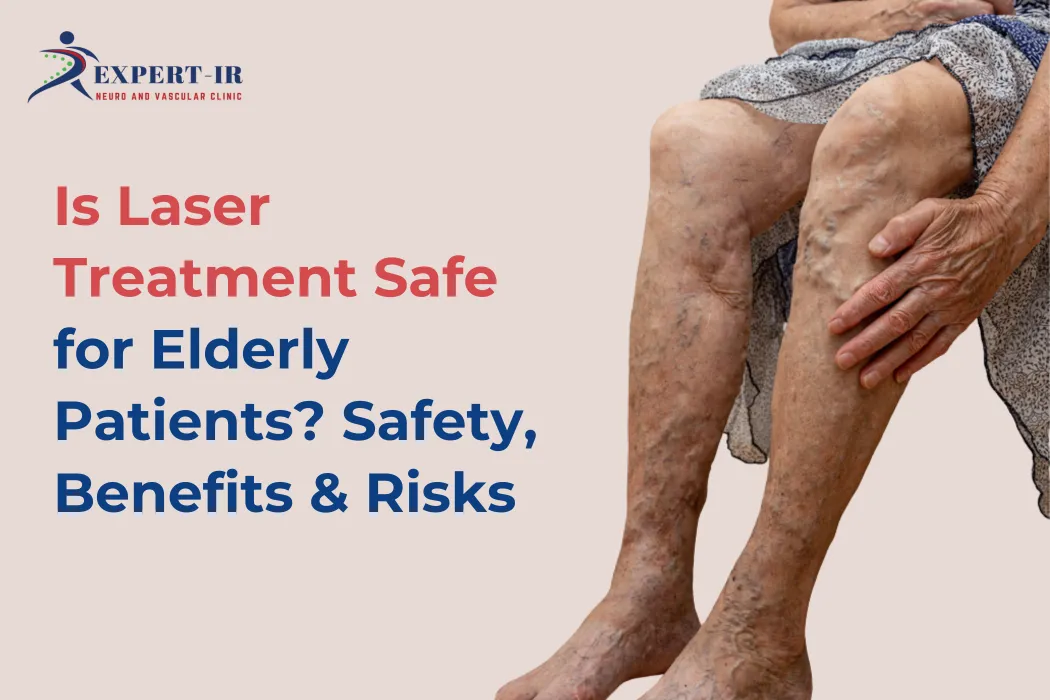
Is Laser Treatment Safe for Elderly Patients? Risks & Benefits
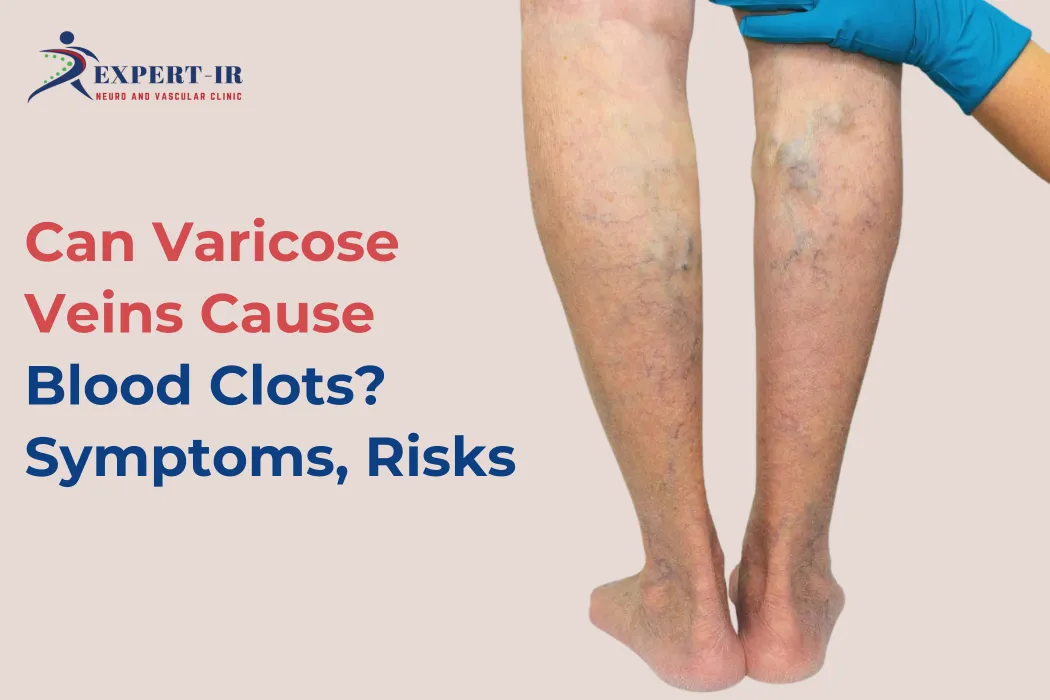
Can Varicose Veins Cause Blood Clots? Symptoms, Risks
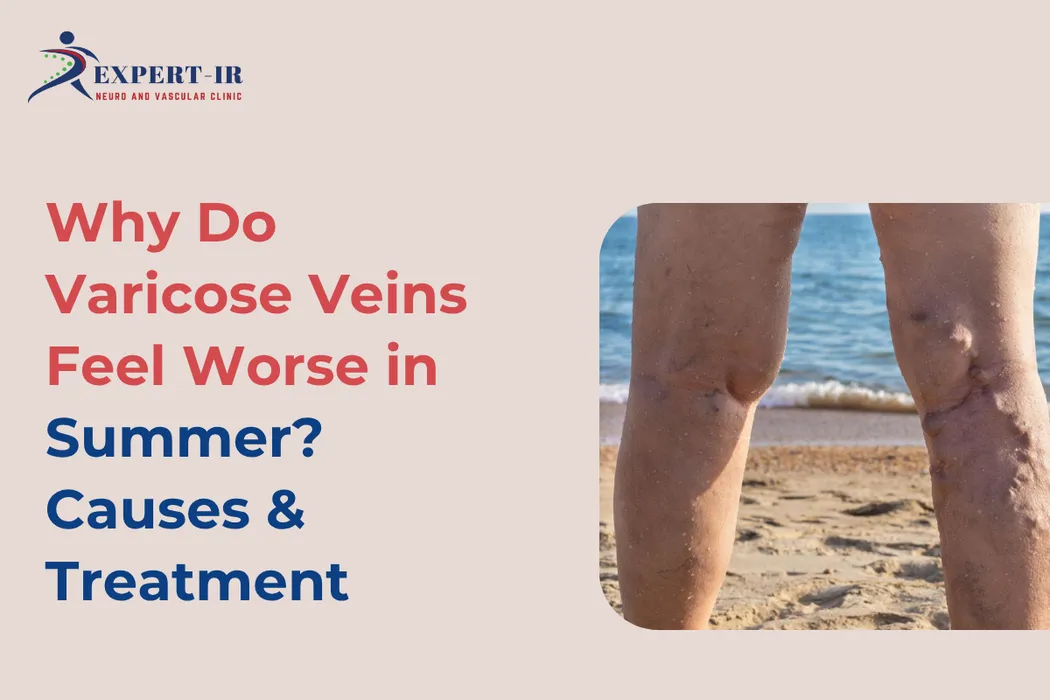
Why Do Varicose Veins Feel Worse in Summer? Causes & Treatment
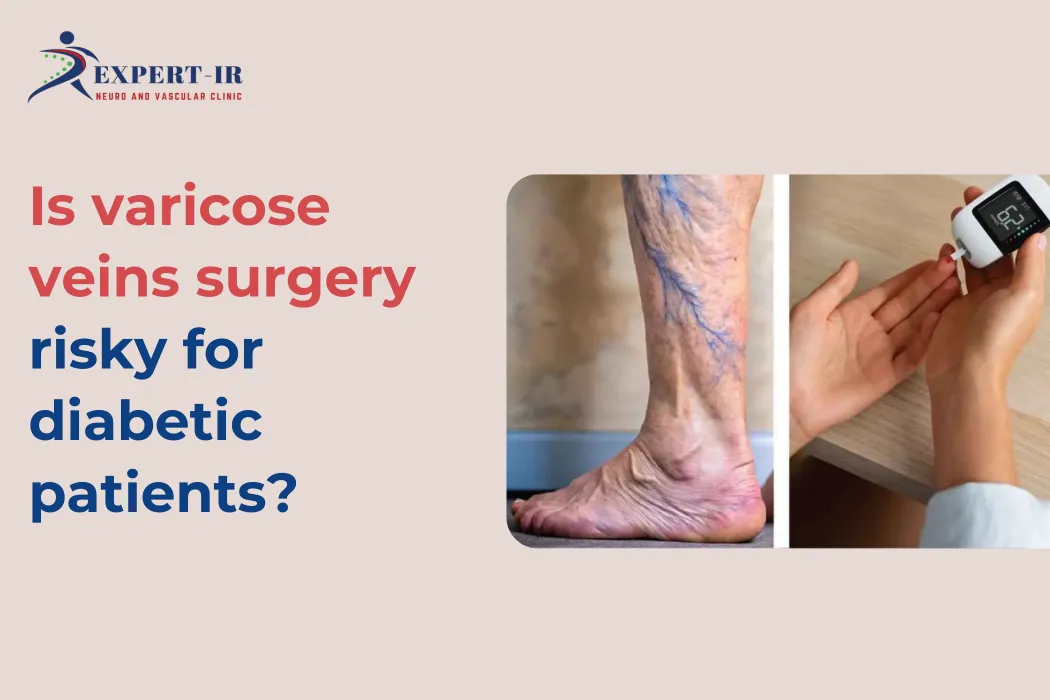
Is varicose veins surgery risky for diabetic patients?
Ovarian vein reflux occurs when vein valves weaken or fail, allowing blood to flow backward and pool in the pelvic veins. Hormonal changes (especially high estrogen levels), pregnancy, and multiple childbirths increase the risk.
Persistent pain, skin discoloration, non-healing ulcers, and recurrent bleeding are signs of advanced disease requiring urgent evaluation.
Yes. Laser treatment is less invasive, has quicker recovery, and offers high long-term success rates compared to traditional surgery.
A Doppler ultrasound examination determines severity and helps decide whether surgery or minimally invasive treatment is required.
Yes. Advanced cases may lead to ulcers, infections, or blood clots if left untreated.
