Can Treating Varicocele Improve Pregnancy Chances?
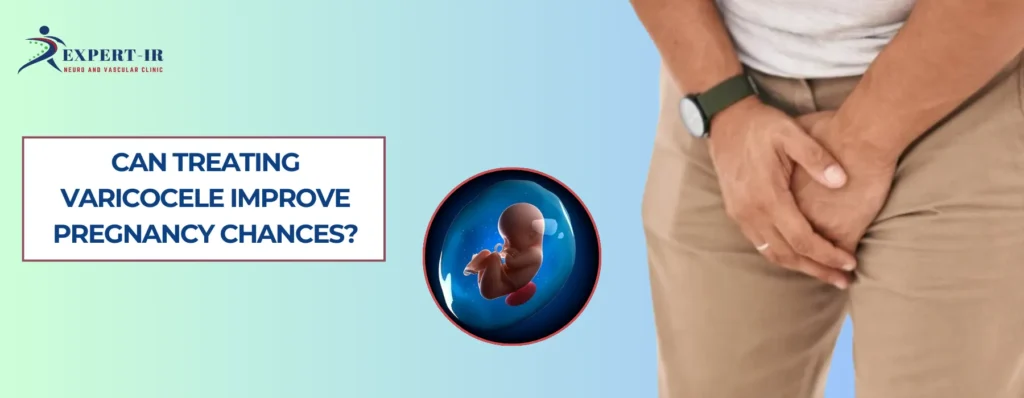
Difficulty in conceiving can be emotionally exhausting for couples, and in nearly half of infertility cases, a male factor plays a role. One of the most common and treatable causes of male infertility is varicocele. This naturally leads many couples to ask an important question: Can treating varicocele improve pregnancy chances?
The answer, supported by strong medical evidence, is yes—when treated at the right time and in the right patients. Understanding how varicocele affects fertility and how treatment restores reproductive potential can help couples make informed decisions.
Understanding Varicocele and Male Fertility
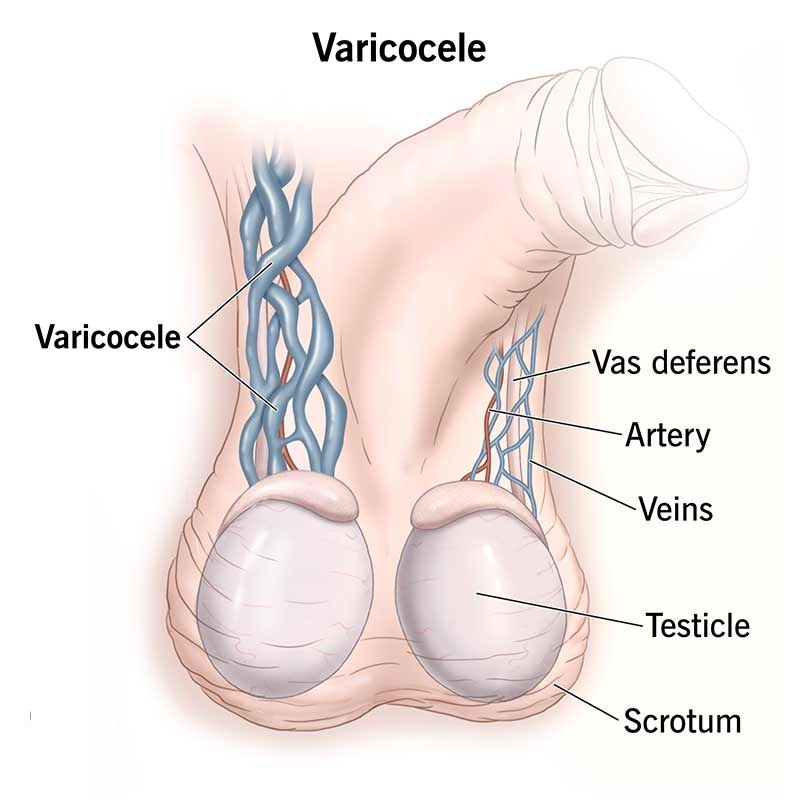
Varicocele is an abnormal enlargement of veins in the scrotum caused by faulty valves that allow blood to flow backward and pool around the testicles. This condition interferes with the natural cooling mechanism of the testes, which is essential for healthy sperm production.
A persistent rise in scrotal temperature, combined with poor oxygen supply and toxin buildup, gradually damages sperm-producing cells. Over time, this leads to reduced sperm count, poor motility, abnormal morphology, and even DNA damage—all of which lower the chances of natural conception.
How Varicocele Reduces Pregnancy Chances
- For pregnancy to occur naturally, sperm must be adequate in number, able to swim efficiently, and capable of fertilizing the egg. Varicocele disrupts all three.
- The increased heat around the testes directly affects spermatogenesis, resulting in fewer sperm being produced. Those that are produced often show reduced motility, meaning they struggle to reach the egg. Structural abnormalities further reduce fertilization potential. In some men, varicocele also affects testosterone production, indirectly influencing sperm health and libido.
- These combined factors explain why untreated varicocele is commonly seen in couples facing unexplained infertility.
Does Treating Varicocele Improve Sperm Parameters?
Yes. Treating varicocele has been shown to significantly improve sperm count, motility, and morphology in a large proportion of patients. Clinical studies consistently demonstrate measurable improvement in semen parameters within three to six months after treatment, which corresponds to the natural sperm production cycle.
Men with abnormal semen analysis before treatment benefit the most. Improved sperm quality directly translates into better chances of natural conception or success with assisted reproductive techniques if needed.
Impact of Varicocele Treatment on Pregnancy Rates
Multiple studies have shown that couples experience higher spontaneous pregnancy rates after varicocele treatment compared to those who do not undergo treatment. Pregnancy rates improve not only because of increased sperm count but also due to better sperm function and genetic integrity.
Importantly, treating varicocele may reduce the need for invasive fertility treatments such as IVF or ICSI, or improve their success rates when they are required.
Modern, Non-Surgical Treatment for Varicocele
Earlier, varicocele was treated mainly with open or laparoscopic surgery. Today, varicocele embolization has emerged as a safe, effective, and minimally invasive alternative.
This procedure is performed by an Interventional Radiologist using image guidance. The abnormal veins are accessed through a tiny puncture, and medical coils or agents are used to block faulty blood flow. Blood is then naturally redirected through healthy veins, restoring normal testicular temperature and circulation.
At Expert IR Clinic, Dr. Santosh Patil specializes in non-surgical varicocele embolization, offering fertility-focused care with minimal downtime and no surgical scars.
How Soon Can Pregnancy Happen After Treatment?
Sperm quality typically begins improving around three months after treatment, with continued improvement up to six months or longer. Some couples conceive naturally within this window, while others may require additional time depending on female partner factors and overall fertility health.
Early treatment often leads to faster and better outcomes, especially in younger men or those with shorter duration of infertility.
Can Lifestyle Changes Help Alongside Treatment?
Lifestyle measures such as maintaining a healthy weight, avoiding prolonged heat exposure, quitting smoking, and reducing excessive alcohol intake support overall sperm health. However, lifestyle changes alone cannot correct the abnormal veins responsible for varicocele.
They should be viewed as supportive measures rather than definitive treatment.
Who Benefits Most from Varicocele Treatment?
Varicocele treatment is most beneficial for men who have a clinically significant varicocele along with abnormal semen parameters and infertility lasting more than one year. It is also recommended for men with testicular pain, testicular shrinkage, or progressively worsening sperm quality.
Proper evaluation is essential to ensure that treatment is likely to improve pregnancy chances rather than simply correct a physical finding.
Can Lifestyle Changes Replace Varicocele Treatment?
Lifestyle measures such as quitting smoking, maintaining a healthy weight, avoiding excessive heat exposure, and reducing alcohol intake support overall sperm health. However, they cannot correct the faulty veins responsible for varicocele.
Lifestyle changes should be considered supportive, not curative. Medical treatment is required to address the root cause and significantly improve fertility outcomes.
Varicocele Treatment and Assisted Reproductive Techniques
Treating varicocele before IVF or ICSI can improve sperm quality and reduce the intensity or number of assisted cycles required. In some cases, couples achieve natural pregnancy after treatment, eliminating the need for assisted reproduction altogether.
This makes varicocele treatment an important step in comprehensive fertility planning
Frequently Asked Questions (FAQs)
Yes. Treating varicocele can significantly improve pregnancy chances, especially in men with abnormal sperm count or quality. By restoring normal blood flow and reducing excess heat around the testicles, treatment helps improve sperm production and function, which increases the likelihood of natural conception.
Varicocele treatment lowers scrotal temperature, improves oxygen supply to the testicles, and reduces toxin buildup. These changes allow healthier sperm to develop, improving sperm count, motility, and morphology—key factors needed for fertilization.
Improvement in sperm quality usually begins around three months after treatment and continues up to six months or longer. Some couples conceive naturally within this period, depending on female partner factors and overall fertility health.
No. Varicocele treatment is most beneficial for men who have a clinically significant varicocele along with abnormal semen analysis and difficulty conceiving. Men with normal sperm parameters may not see fertility-related benefits and are often managed with observation.
No. Varicocele can be treated without surgery using minimally invasive embolization. This image-guided procedure blocks abnormal veins internally, avoids surgical cuts, and allows faster recovery while preserving testicular function.
Conclusion
Varicocele is one of the few reversible causes of male infertility, and timely treatment can significantly improve pregnancy chances. With modern, non-surgical techniques available today, men no longer need to delay care due to fear of surgery or long recovery periods.
For couples struggling to conceive, early evaluation and expert-guided treatment can make a meaningful difference. Under the care of Dr. Santosh Patil at Expert IR Clinic, patients receive precise diagnosis and advanced interventional treatment focused on restoring fertility, improving sperm health, and helping couples move closer to their goal of parenthood.