Bilateral Varicocele | Does It Affect Fertility More?
Many couples struggling with infertility are surprised to learn that the cause may not always be hormonal or genetic. In many men, a simple and treatable condition called varicocele can affect fertility.
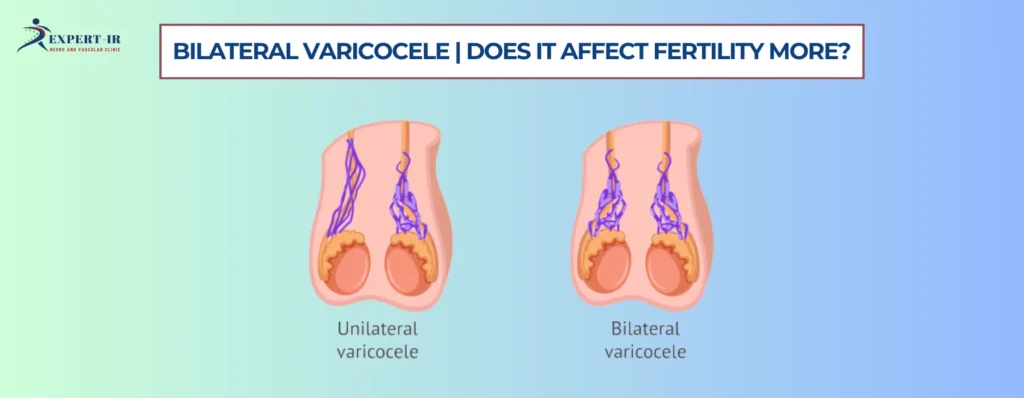
While most varicocelesoccur on one side, some men develop varicocele on both sides of the scrotum, known as bilateral varicocele. A common question patients ask is whether bilateral varicocele affects fertility more than a single-sided condition.
The answer is yes, it can have a greater impact. However, with timely treatment, fertility can improve significantly.
What is a Varicocele?
A varicocele is the enlargement of veins inside the scrotum, similar to varicose veins seen in the legs. These veins fail to drain blood properly, leading to pooling of blood around the testicles.
For healthy sperm production, the testicles need to stay slightly cooler than normal body temperature. When blood accumulates, the temperature rises, which may interfere with sperm formation and quality.
When both testicles are affected, it is referred to as bilateral varicocele.
How Does Bilateral Varicocele Affect Fertility?
Varicocele is one of the most common reversible causes of male infertility and is seen in nearly 40 percent of men facing fertility issues.
When both sides are involved, fertility may be affected more because:
Varicocele embolization is a non-surgical alternative to open surgery. It involves inserting a tiny catheter through a small puncture in the skin and blocking the enlarged veins to redirect blood flow.
This procedure offers several benefits:
No stitches or cuts
Minimal pain
Day-care procedure
Faster recovery
Early return to routine activities
Most patients go home the same day and resume normal activities within 24 to 48 hours.
Can Fertility Improve After Treatment?
Yes. Studies show that treating varicocele can lead to:
Improved sperm count
Better motility
Enhanced sperm quality
Higher chances of natural conception
Improved success rates in assisted reproductive treatments
Many couples achieve pregnancy naturally within months after treatment
Bilateral varicocele may affect fertility more because both testicles are involved. However, it remains one of the few completely treatable causes of male infertility.
Early diagnosis and expert care can make a significant difference in reproductive outcomes.
If you are experiencing symptoms or facing fertility challenges, consult Dr. Santosh B. Patil at Expert IR for safe, advanced, and minimally invasive treatment options.
Bilateral varicocele can be more concerning because both testicles are affected, which may lead to greater impairment in sperm production and overall male fertility.
Yes, bilateral varicocele is associated with reduced sperm count, poor sperm motility, abnormal sperm morphology, and increased sperm DNA fragmentation — all of which can contribute to male infertility.
Microsurgical varicocelectomy is considered the gold standard treatment, offering lower recurrence rates and improved sperm parameters compared to other techniques.