Early Signs of Peripheral Artery Disease Most People Ignore
Peripheral Artery Disease (PAD) is a serious yet often overlooked circulation condition that affects millions of people worldwide. What makes PAD particularly dangerous is not just the disease itself, but the fact that its early warning signs are frequently ignored or mistaken for common lifestyle-related discomforts. By the time many patients seek medical help, the disease has already progressed, increasing the risk of non-healing wounds, infections, and even limb loss.
Understanding the early signs of Peripheral Artery Disease can make a life-changing difference. Early diagnosis allows timely, minimally invasive treatment and prevents long-term complications.
What Is Peripheral Artery Disease?
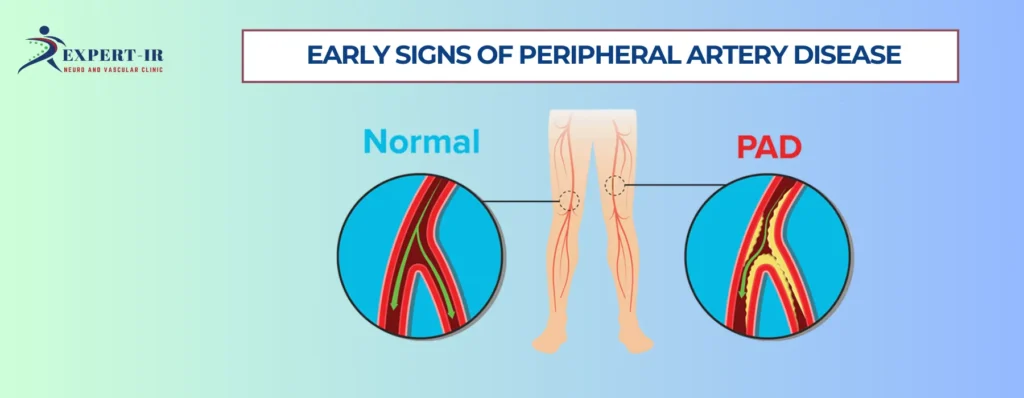
Peripheral Artery Disease occurs when arteries supplying blood to the legs and feet become narrowed or blocked due to plaque buildup. This reduces oxygen-rich blood flow to the muscles and tissues of the lower limbs.
PAD is most commonly associated with diabetes, smoking, high blood pressure, high cholesterol, and advancing age. However, many patients with early PAD appear otherwise healthy and dismiss subtle symptoms until the condition worsens.
Why Early PAD Symptoms Are Often Missed
PAD develops gradually. In its early stages, symptoms may be mild, inconsistent, or appear only during activity. Many people assume these signs are due to aging, fatigue, joint problems, or long working hours. Unfortunately, ignoring these signals allows the disease to silently progress.
Early Signs of Peripheral Artery Disease You Should Not Ignore
Leg Pain While Walking That Goes Away With Rest
One of the earliest and most characteristic signs of PAD is pain or cramping in the calves, thighs, or hips during walking. This pain, known as intermittent claudication, typically disappears after a few minutes of rest. Because the pain comes and goes, many people ignore it or attribute it to muscle strain.
This symptom indicates that muscles are not receiving enough blood during activity and should never be dismissed.
Frequent Leg Fatigue or Heaviness
Feeling unusually tired or heavy legs even after short walks or routine activities can be an early warning sign. Reduced blood flow limits oxygen supply to the muscles, leading to early fatigue that is often mistaken for poor fitness or long working hours.
Coldness in One Foot or Lower Leg
If one foot consistently feels colder than the other, it may indicate reduced circulation due to arterial narrowing. This symptom is subtle but significant, especially when combined with other circulation-related complaints.
Changes in Skin Color or Texture
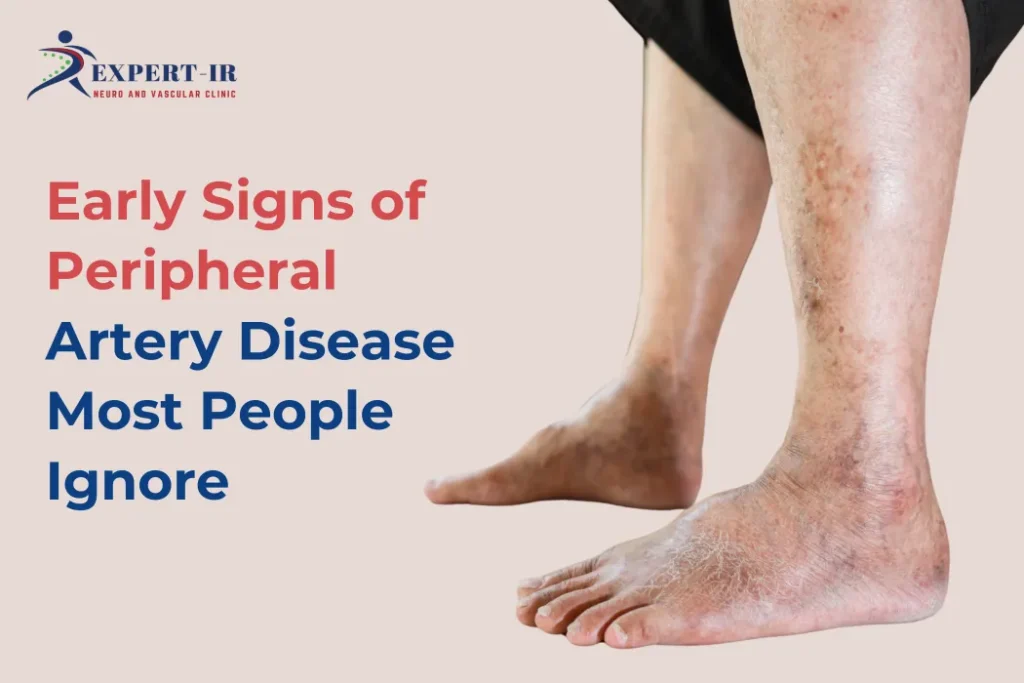
PAD can cause the skin on the legs or feet to appear pale, bluish, or shiny. Hair loss on the legs and thinning of the skin are also common early signs caused by reduced blood supply to the skin and hair follicles.
Slow-Healing Cuts or Wounds on the Feet
Small cuts, blisters, or sores on the feet that take longer than usual to heal may signal early PAD. Reduced blood flow delays healing and increases the risk of infection. This sign is particularly important for people with diabetes, who already have a higher risk of PAD.
Who Is at Higher Risk of Ignoring PAD Symptoms?
People with diabetes, smokers, individuals with high cholesterol or blood pressure, and adults over the age of 50 are at higher risk. Unfortunately, these groups are also more likely to normalize symptoms and delay seeking medical care.
Why Ignoring Early PAD Is Dangerous
Untreated PAD can progress to critical limb ischemia, a severe form of the disease marked by constant pain, non-healing ulcers, and tissue damage. PAD is also a strong indicator of widespread atherosclerosis, meaning patients are at higher risk of heart attack and stroke.
Early detection significantly reduces these risks.
Modern Treatment for PAD: Beyond Surgery
Today, many patients with PAD can be treated without open surgery. Minimally invasive angioplasty and stenting procedures restore blood flow using tiny catheters, often allowing patients to walk the same day.
At Expert IR Clinic, Dr. Santosh Patil specializes in image-guided, non-surgical treatment for Peripheral Artery Disease, focusing on limb salvage, faster recovery, and long-term circulation improvement.
Yes. In early stages, PAD may cause mild discomfort, leg fatigue, cold feet, or slow-healing wounds without severe pain. Many people ignore these subtle symptoms, allowing the disease to progress silently.
During walking, leg muscles need more oxygen-rich blood. Narrowed arteries cannot meet this demand, causing pain. When you rest, blood demand decreases, and the pain subsides—this pattern is a key indicator of PAD.
Persistently cold feet or one foot feeling colder than the other can indicate reduced blood flow due to PAD. This symptom should be evaluated, especially in people with diabetes or a history of smoking.
No. While diabetes is a common cause, slow-healing cuts or sores on the feet can also be an early sign of Peripheral Artery Disease due to poor circulation. PAD and diabetes often coexist and worsen each other.
No. Varicocele can be treated without surgery using minimally invasive embolization. This image-guided procedure blocks abnormal veins internally, avoids surgical cuts, and allows faster recovery while preserving testicular function.
Conclusion
Peripheral Artery Disease often whispers before it screams. The early signs are subtle, painless, and easy to ignore—but they are critical warnings from your body. Paying attention to these symptoms and acting early can prevent serious complications and protect both mobility and overall health.
With expert evaluation and advanced interventional care available today, PAD no longer has to progress silently. Early diagnosis and treatment under the care of Dr. Santosh Patil at Expert IR Clinic can restore circulation, preserve limb health, and significantly improve quality of life.