How to Treat Spider Veins at Home Naturally and Safely
Spider veins are a common concern, especially among adults who spend long hours standing or sitting, women after pregnancy, and people with a family history of vein problems. Although spider veins are usually not dangerous, they can affect confidence and sometimes indicate underlying vein weakness. Many patients first look for natural and safe ways to treat spider veins at home before considering medical procedures. Understanding what truly helps and what only offers temporary relief is important to avoid disappointment and delays in proper care.
This article explains evidence-backed home remedies, lifestyle changes, and safety precautions, while also clarifying when home treatment is enough and when medical evaluation becomes necessary.
Understanding Spider Veins Before Treating Them
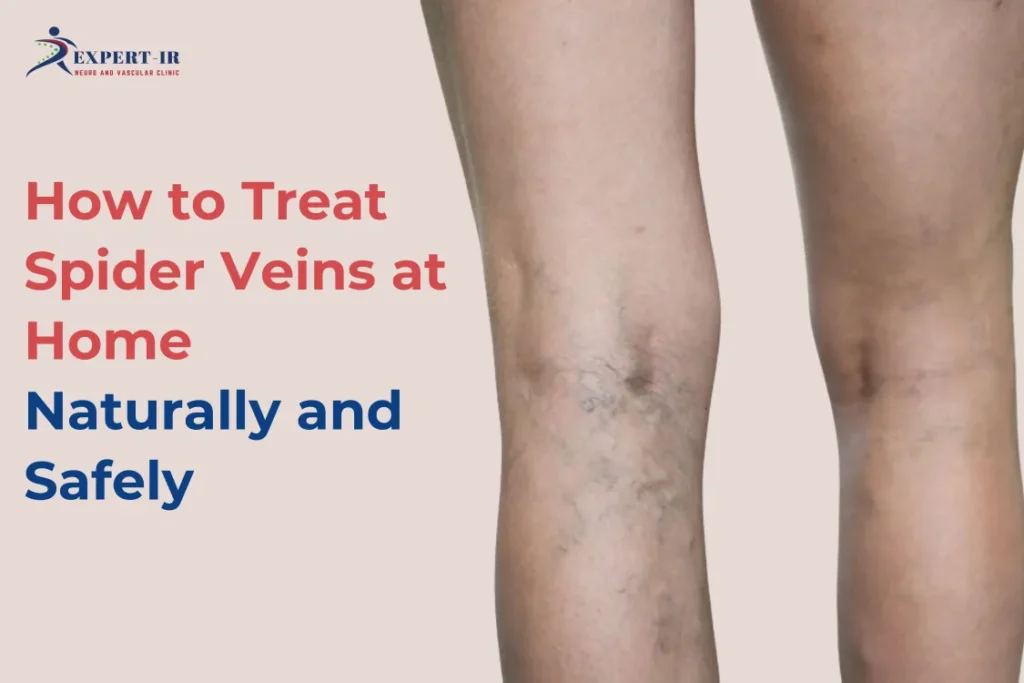
Spider veins are small, thin veins visible close to the skin surface, usually red, blue, or purple in color. They commonly appear on the legs and face. Unlike varicose veins, they are smaller and usually do not bulge, but they share similar causes such as weak vein valves, poor circulation, hormonal changes, and prolonged pressure on the legs.
Home treatment focuses on improving circulation, reducing pressure in leg veins, and preventing progression rather than permanently removing existing veins.
Can Spider Veins Be Treated Completely at Home?
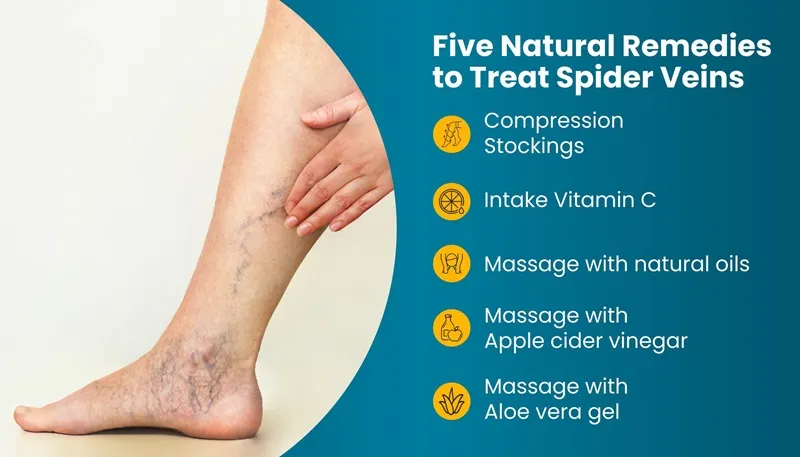
It is important to be clear and honest. Spider veins cannot be permanently removed at home once they form. However, natural remedies and lifestyle measures can significantly reduce their appearance, prevent new spider veins from forming, and relieve symptoms like heaviness or mild discomfort.
Home care works best in early or mild spider veins and as a preventive approach.
Natural and Safe Home Remedies for Spider Veins
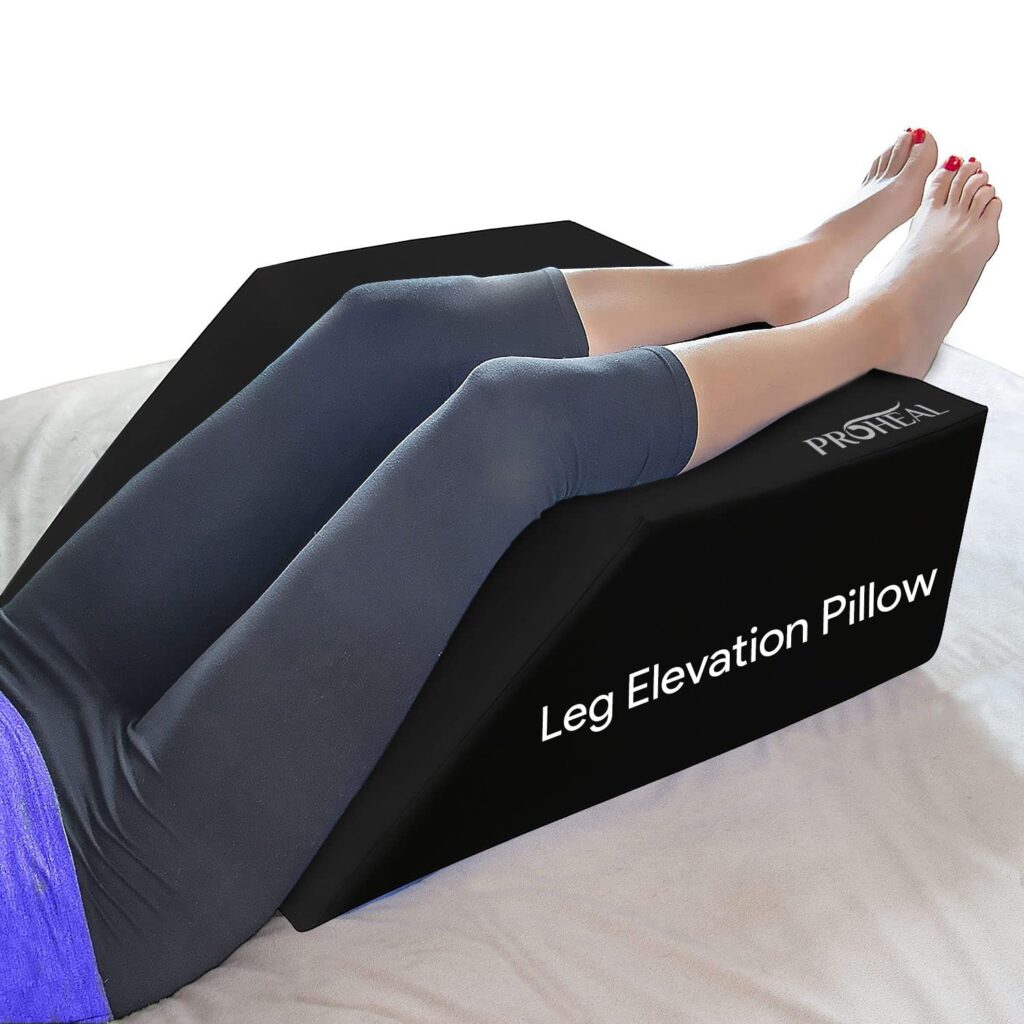
Regular Leg Elevation
Elevating your legs above heart level for 15 to 20 minutes a few times a day helps reduce pressure in leg veins. This allows blood to flow back toward the heart more easily and reduces vein congestion, especially after long working hours.
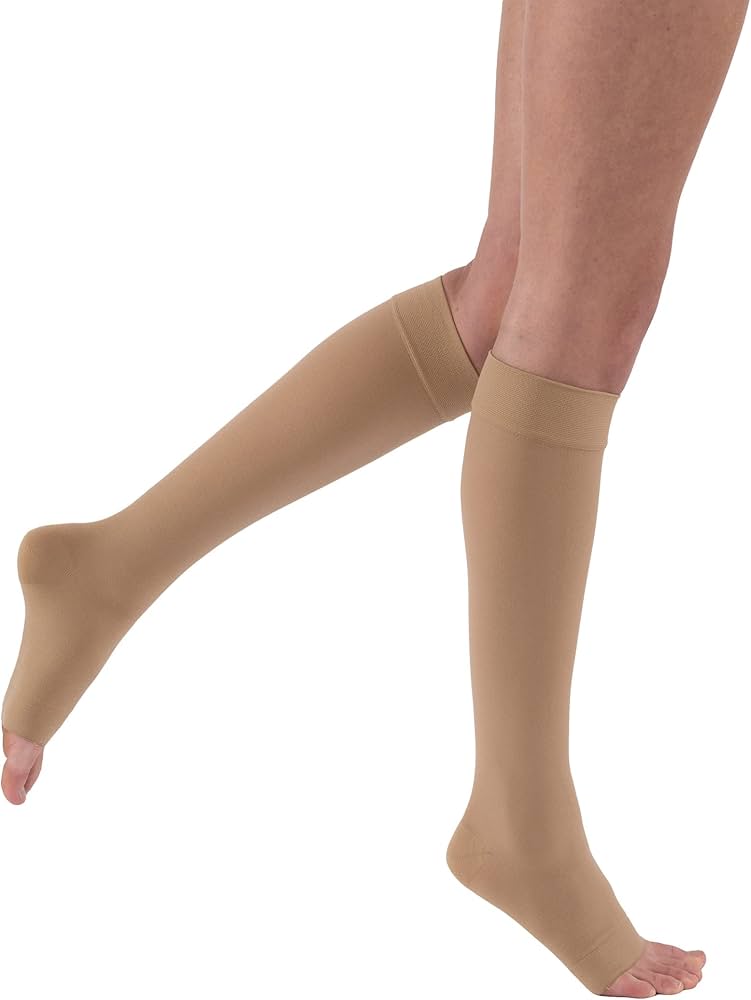
Compression Stockings
Medical-grade compression stockings support vein walls and improve blood circulation. They are one of the most effective non-invasive home measures to manage spider veins safely, particularly for people with desk jobs, standing professions, or frequent travel.
Gentle Daily Exercise
Walking, cycling, swimming, and ankle rotations activate calf muscles, which act as a natural pump for veins. Consistent movement prevents blood from pooling in the legs and helps slow the progression of spider veins.
Cold Water Therapy
Rinsing legs with cool water at the end of a shower can temporarily constrict blood vessels and reduce the appearance of spider veins. While the effect is temporary, it helps with leg fatigue and swelling.
Weight Management
Excess body weight puts additional pressure on leg veins. Maintaining a healthy weight through balanced nutrition and physical activity reduces stress on veins and prevents worsening of spider veins over time.
Natural Oils and Topical Applications: What to Know
- Many people ask about essential oils or herbal creams for spider veins. Some natural oils may improve skin texture and temporarily reduce visibility, but they do not repair damaged veins.
- Massage with gentle oils may help circulation when done lightly and consistently. However, aggressive massage over visible veins should be avoided as it may irritate delicate vessels.
- Always perform a patch test before applying any topical product to avoid skin reactions.
Habits to Avoid If You Have Spider Veins
- Certain daily habits can worsen spider veins even if you follow natural remedies.
- Sitting or standing for long hours without breaks increases venous pressure. Crossing legs for extended periods restricts blood flow. Wearing very tight clothing around the waist or legs can also impair circulation. High heels worn daily limit calf muscle movement and should be alternated with supportive footwear.
- Avoiding these habits is just as important as adopting positive ones.
When Home Treatment Is Not Enough
Home remedies are helpful for early-stage spider veins, but medical evaluation becomes necessary if spider veins continue to spread, are associated with pain, heaviness, itching, or swelling, or are accompanied by visible varicose veins.
In many cases, spider veins may be a surface sign of deeper vein reflux, which cannot be corrected through home care alone.
This is where consultation with an experienced Interventional Radiologist becomes important. At Expert IR Clinic, Dr. Santosh Patil evaluates not just the visible veins but the underlying vein health using advanced imaging. Early diagnosis helps prevent progression to larger varicose veins and long-term complications.
Modern non-surgical treatments such as sclerotherapy or laser procedures are minimally invasive and address the root cause of spider veins. When combined with lifestyle measures like exercise, compression therapy, and healthy habits, results are longer lasting and recurrence is minimized.
Patients who follow post-treatment home care instructions often experience better cosmetic outcomes and faster recovery.
Are Home Remedies Safe for Everyone?
Most lifestyle-based remedies such as walking, leg elevation, hydration, and diet improvement are safe for almost everyone. However, people with diabetes, peripheral artery disease, skin allergies, or existing vascular conditions should avoid self-treatment without medical guidance.
Compression stockings should be selected carefully, especially in patients with circulation disorders, to avoid complications.
Frequently Asked Questions (FAQs)
The safest home approaches include daily low-impact exercise, avoiding prolonged sitting or standing, using doctor-recommended compression stockings, and maintaining a healthy weight. These methods support vein function without causing harm or skin irritation.
Gentle massage may temporarily improve blood flow and reduce leg fatigue, but it does not repair damaged veins. Aggressive massage directly over spider veins should be avoided, as it can irritate fragile blood vessels and worsen their appearance.
A diet rich in antioxidants, fiber, and hydration supports vein health and circulation. While diet alone cannot remove spider veins, it helps prevent new ones from forming and reduces pressure on leg veins caused by constipation or fluid retention.
Most people notice reduced heaviness or mild improvement in appearance within a few weeks of consistent lifestyle changes. However, visible spider veins may not disappear fully without medical intervention.
Spider veins are usually harmless, but in some cases they may indicate underlying venous reflux or deeper vein weakness. If spider veins spread rapidly or are associated with pain, swelling, or varicose veins, medical evaluation is recommended.
Conclusion
Treating spider veins at home naturally and safely focuses on prevention, symptom relief, and slowing progression, not complete removal. Consistent daily habits, supportive lifestyle changes, and realistic expectations are key.
If spider veins persist or affect your quality of life, timely consultation ensures safe and effective care. Early expert evaluation often prevents the need for more extensive treatment later.
For patients in Pune seeking advanced, non-surgical vein care, Expert IR Clinic under the guidance of Dr. Santosh Patil offers evidence-based solutions tailored to individual vein health, helping patients move confidently from home care to medical care when needed.