What Is an Arterial Ulcer? Symptoms, Signs & Treatment
Arterial ulcers are one of the most serious types of leg ulcers and often indicate advanced vascular disease. Unlike venous ulcers—which occur due to poor blood return—arterial ulcers develop when arteries fail to supply enough oxygen-rich blood to the lower limbs. This blockage deprives the tissues of oxygen, causing the skin to break down and form painful open sores.
These ulcers require urgent medical attention, as they can progress rapidly and may lead to infections, gangrene, or loss of limb if not treated on time. In this patient-centric article, we explore what arterial ulcers are, their symptoms, causes, and modern treatment options.
With insights from Dr. Santosh Patil, one of Pune’s most trusted vascular surgeons, you’ll learn how early diagnosis and advanced care can prevent complications and improve healing outcomes.
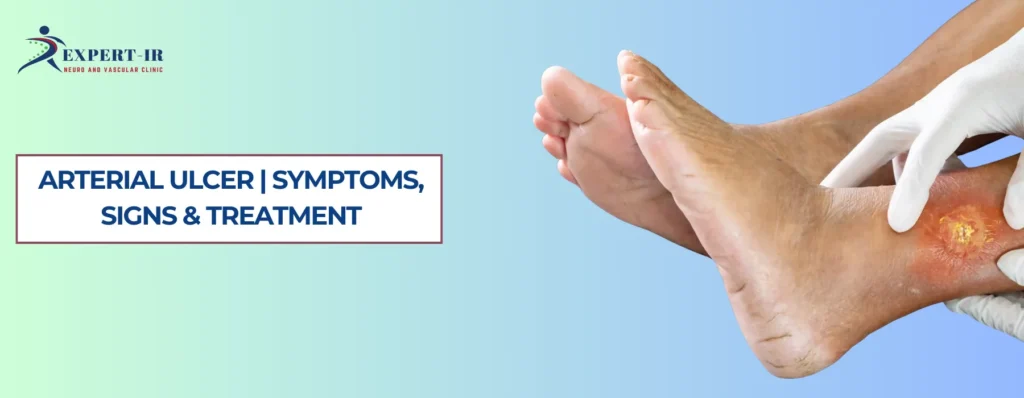
What Is an Arterial Ulcer?
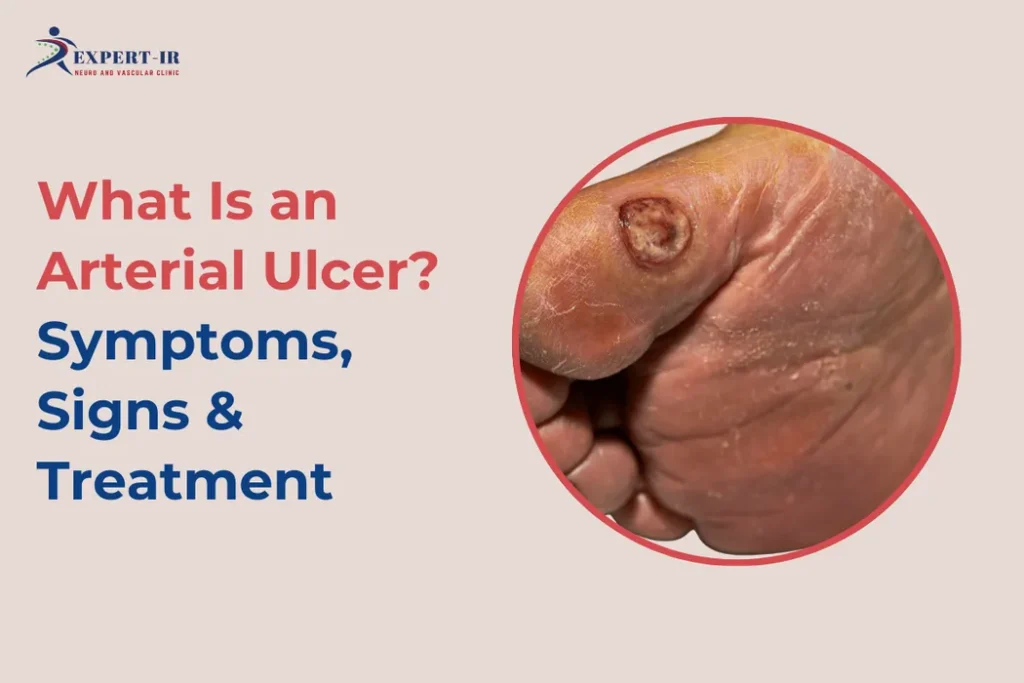
An arterial ulcer, also called an ischemic ulcer, is a wound that develops when arterial blood flow is severely restricted. Healthy arteries carry oxygenated blood from the heart to the legs and feet. But when these arteries become narrowed or blocked due to conditions like Peripheral Artery Disease (PAD) or atherosclerosis, tissues do not receive enough oxygen to stay alive.
As a result, even minor injuries or pressure points can lead to skin breakdown and ulcer formation. Arterial ulcers commonly occur in:
- Toes
- Feet
- Heels
- Ankles
- Pressure points where shoes rub
These ulcers are extremely painful and often do not heal without restoring proper blood flow.
Causes of Arterial Ulcers
- Peripheral Artery Disease (PAD): PAD occurs when arteries narrow due to plaque buildup. Reduced circulation leads to tissue ischemia and ulcer formation.
- Atherosclerosis: Fatty deposits accumulate inside arteries, hardening them and limiting blood flow to legs and feet.
- Diabetes Mellitus: High blood sugar damages blood vessels over time, significantly increasing the risk of arterial ulcers.
- Smoking: Smoking drastically accelerates arterial blockage and decreases oxygen supply to tissues.
- High Blood Pressure or High Cholesterol:
- Both conditions contribute to arterial stiffness and plaque buildup.
- Aging:
- Older adults are more prone to circulation problems and arterial diseases.
Symptoms and Signs of Arterial Ulcers
Arterial ulcers have distinct characteristics that differentiate them from venous or diabetic ulcers. Recognizing these signs helps in early diagnosis and treatment.
- Severe Pain—Especially at Night: Arterial ulcers are known for intense pain, often worsening when the leg is elevated. Some patients hang their legs off the bed at night to reduce discomfort.
- Round, “Punched-Out” Appearance: The ulcer usually has well-defined edges and a deep wound base.
- Cool, Pale, or Bluish Skin: Skin around the ulcer appears cold due to poor circulation.
- Shiny, Dry, Hairless Skin: Lack of blood flow affects hair growth and skin hydration.
- Weak or Absent Pulse in the Foot: A key sign of arterial disease is a reduced or non-detectable pulse.
- Delayed Healing or Non-Healing Wounds: Even small cuts or blisters may not heal properly.
- Black or Necrotic Tissue: Tissue death (necrosis) may occur due to oxygen deprivation.
How Arterial Ulcers Are Diagnosed
Accurate diagnosis is essential because arterial ulcers require completely different treatment than venous ulcers. At Expert IR Clinic, diagnosis typically includes:
1. Doppler Ultrasound
To measure blood flow in the arteries.
2. Ankle-Brachial Index (ABI)
Compares blood pressure in the arm and ankle to assess arterial blockage severity.
3. CT or MR Angiography
Provides detailed imaging of the arteries to identify narrowing or blockages.
4. Clinical Examination
The ulcer’s location, appearance, and foot pulses help determine the diagnosis.
These tests help evaluate how advanced the condition is and what treatment path is best.
Treatment Options for Arterial Ulcers
Treating arterial ulcers involves two major goals:
Restoring blood flow, and
Promoting wound healing.
Here’s how treatment is approached under the expert care of Dr. Santosh Patil – Best Vascular Surgeon in Pune:
1. Revascularization – The Most Important Step
Revascularization restores proper blood circulation to the legs. Without this step, the ulcer will remain open or worsen.
A) Angioplasty + Stenting
A minimally invasive procedure where:
- A catheter is inserted into the blocked artery
- A balloon is inflated to widen the artery
- A stent is placed to keep it open
This improves blood flow immediately and helps ulcers heal faster.
B) Bypass Surgery
For severe or long arterial blockages, Dr. Santosh Patil may perform arterial bypass, where blood is redirected around the blocked artery using:
- A vein from the patient’s own body, or
- A synthetic graft
This is very effective for advanced PAD or multiple blockages.
C) Atherectomy (Plaque Removal)
In selected cases, plaque buildup is removed using a special device. This ensures smoother blood flow and reduces ischemia.
Revascularization is the key step that makes healing possible.
2. Advanced Wound Care
Once blood flow is restored, proper wound management ensures healthy, infection-free healing.
This includes:
- Debridement: Removing dead or infected tissue
- Moist wound therapy: Using dressings that maintain hydration
- Antimicrobial dressings: To prevent infection
- Offloading pressure: Preventing friction from shoes or walking
- Regular monitoring: Ensures the wound progresses through healing stages
Dr. Santosh Patil creates a personalized wound care plan based on the ulcer depth, size, and infection status.
3. Infection Control
Because arterial ulcers are prone to infection, timely treatment is crucial.
Treatment may include:
- Topical antibiotics for mild infections
- Oral or IV antibiotics for deeper infections
- Monitoring for osteomyelitis (bone infection)
Early infection control prevents severe complications like gangrene.
4. Medications to Improve Circulation
While medicines alone cannot heal an arterial ulcer, they support the overall treatment process:
- Antiplatelets (Aspirin, Clopidogrel): Prevent clot formation
- Cholesterol-lowering drugs (Statins): Slow disease progression
- Blood pressure control medications
- Vasodilators (in selected cases)
These medicines are essential for long-term vascular health.
5. Lifestyle Changes to Prevent Worsening
Dr. Santosh Patil strongly emphasizes lifestyle modification because arterial ulcers often occur due to long-term vascular disease.
Recommended changes include:
- Stopping smoking (the most important step)
- Controlling diabetes and blood pressure
- Regular walking exercises after revascularization
- Healthy diet for cholesterol control
- Proper foot care to avoid new wounds
These steps help prevent ulcer recurrence.
As one of Pune’s most experienced vascular surgeons, Dr. Santosh Patil specializes in diagnosing and treating arterial diseases using minimally invasive, advanced techniques. His expertise ensures:
- Accurate identification of ulcer type
- Modern revascularization procedures
- Personalized wound care plans
- Quick recovery and long-term prevention
- Compassionate, patient-centered approach
His ability to integrate diagnostics, treatment, and prevention makes him the preferred choice for arterial ulcer management in Pune.
Frequently Asked Questions (FAQs)
Arterial ulcers occur due to insufficient blood flow to the legs, while venous ulcers occur due to poor blood return from the legs. Arterial ulcers are typically more painful, deeper, and located on the toes or feet, whereas venous ulcers appear around the inner ankle.
Early signs include severe leg or foot pain, shiny or hairless skin, cold feet, weak pulses, and wounds that do not heal. Pain may worsen at night or when the leg is elevated.
They are mainly caused by Peripheral Artery Disease (PAD), atherosclerosis, diabetes, smoking, high cholesterol, and aging. These conditions narrow or block the arteries, reducing oxygen supply to the tissues.
Yes. With timely diagnosis and proper treatment, arterial ulcers can be managed effectively. The primary focus is restoring blood flow through angioplasty, stenting, or bypass surgery, followed by wound care.
Conclusion
An arterial ulcer is a serious vascular condition caused by poor blood circulation. Recognizing symptoms early—such as severe pain, shiny skin, weak pulses, and non-healing wounds—helps ensure timely treatment. Effective care requires restoring blood flow, managing underlying conditions, and following advanced wound care practices.
With expert evaluation and treatment from Dr. Santosh Patil – Best Vascular Surgeon in Pune, patients can prevent complications and achieve faster healing. If you notice any symptoms of arterial ulcers, do not delay—early intervention is the key to saving tissue, preventing infections, and protecting long-term leg health.