What Is Difference Between Arterial Vs Venous Ulcers

Chronic leg ulcers are among the most common vascular conditions that affect thousands of patients across India. They can cause severe pain, swelling, and difficulty walking, often leading to long-term complications if not treated correctly. However, not all leg ulcers are the same — the two main types, arterial ulcers and venous ulcers, differ significantly in their causes, symptoms, and treatment approaches.

Understanding the difference between arterial vs venous ulcers is essential for accurate diagnosis and effective treatment. In this article, we’ll explore how these ulcers develop, their key differences, and how Dr. Santosh Patil, the best vascular surgeon in Pune, helps patients achieve complete recovery through precise diagnosis and advanced treatment.

What is Leg Ulcers?

Arterial Ulcers

A leg ulcer is an open sore or wound on the lower leg or foot that fails to heal within a few weeks. Poor blood circulation, diabetes, and vascular diseases are common underlying causes. Depending on whether the problem lies in your arteries (blood flow to the legs) or veins (blood flow back to the heart), the ulcer is categorized as either arterial or venous.

While both types share some similarities, their origins, symptoms, and treatment differ drastically — which is why professional diagnosis is critical.

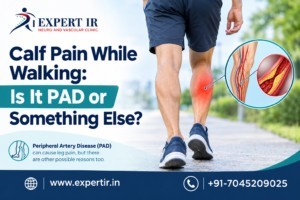
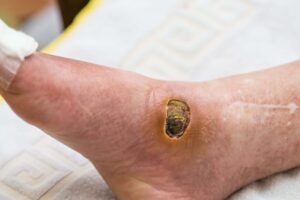
Arterial ulcers, also called ischemic ulcers, occur when blood flow to the legs or feet is severely reduced due to arterial disease. When arteries become narrowed or blocked by plaque buildup (atherosclerosis), oxygen and nutrients cannot reach the tissues. This causes tissue damage and leads to ulcer formation.


Common Causes of Arterial Ulcers

  • Peripheral artery disease (PAD)
  • Atherosclerosis (hardening of arteries)
  • Smoking
  • Diabetes mellitus
  • High blood pressure or cholesterol
  • Advanced age

Symptoms of Arterial Ulcers

Arterial ulcers typically appear on the toes, feet, heels, or outer ankle—areas farthest from the heart. Common symptoms include:

  • Deep, punched-out wounds with well-defined edges
  • Pale, dry, or necrotic (blackened) tissue
  • Cold, hairless skin on the legs or feet
  • Severe pain, especially at night or when lying down
  • Weak or absent foot pulses

These ulcers are extremely painful and often take a long time to heal without restoring proper blood flow.

What Are Venous Ulcers?

Arterial Ulcers

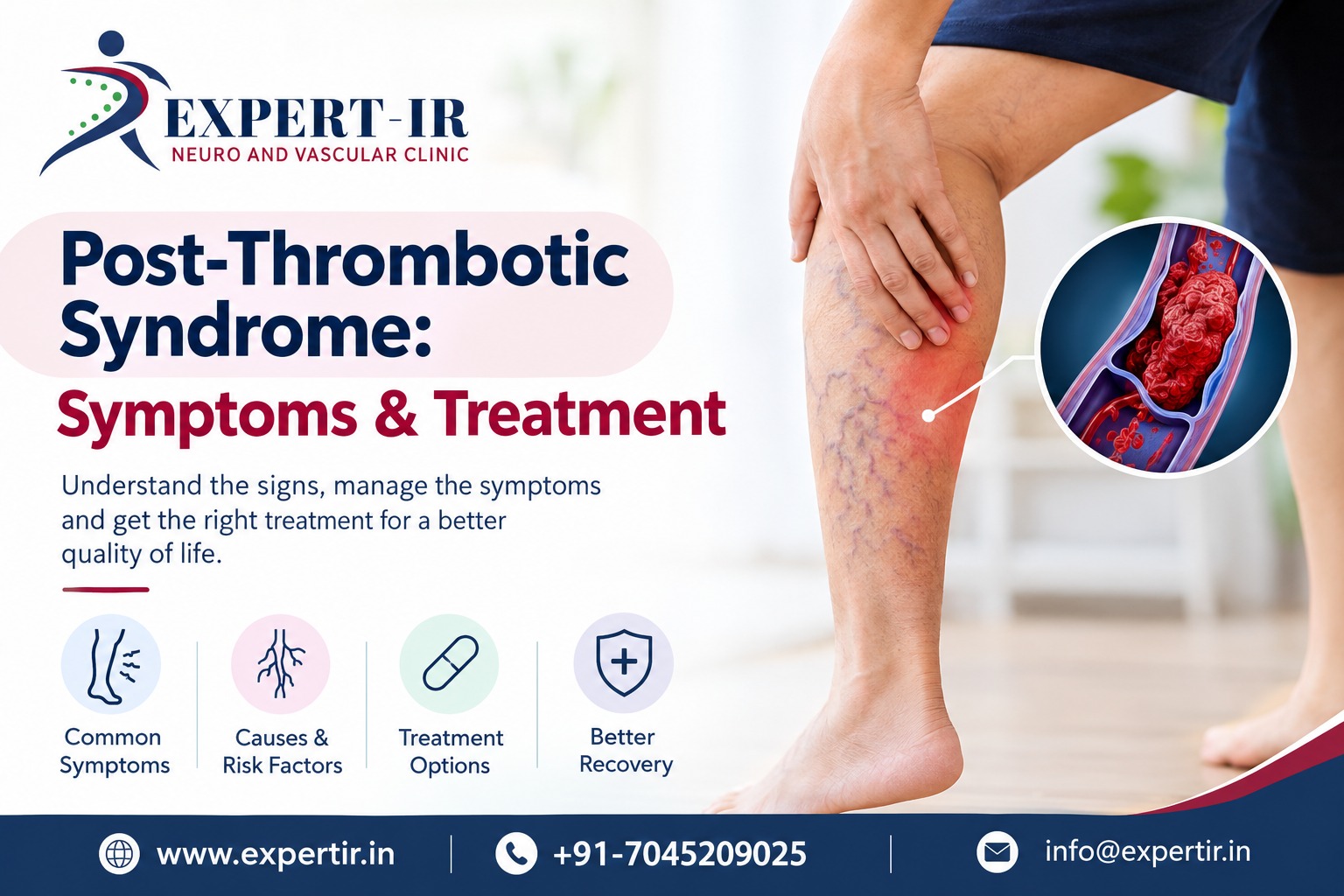
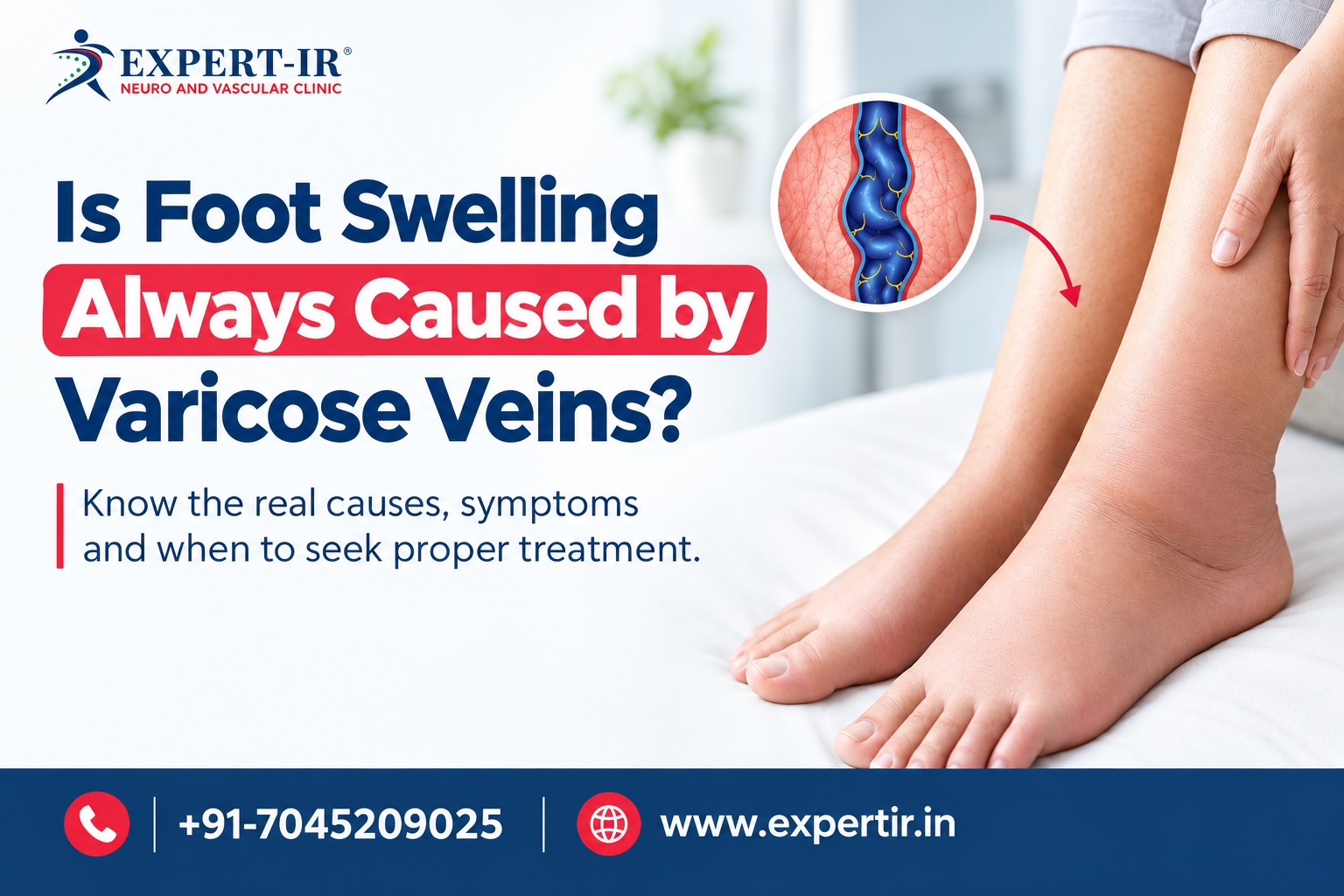
Venous ulcers, also known as stasis ulcers, are caused by poor venous return—when the veins in the legs fail to send blood back to the heart efficiently. This leads to blood pooling in the lower legs, increasing pressure and causing fluid leakage into surrounding tissues. Over time, this damages the skin and results in ulcer formation.

Common Causes of Venous Ulcers

  • Chronic venous insufficiency (CVI)
  • Varicose veins
  • Deep vein thrombosis (DVT)
  • Obesity or sedentary lifestyle
  • Pregnancy
  • Family history of vein disease

Symptoms of Venous Ulcers

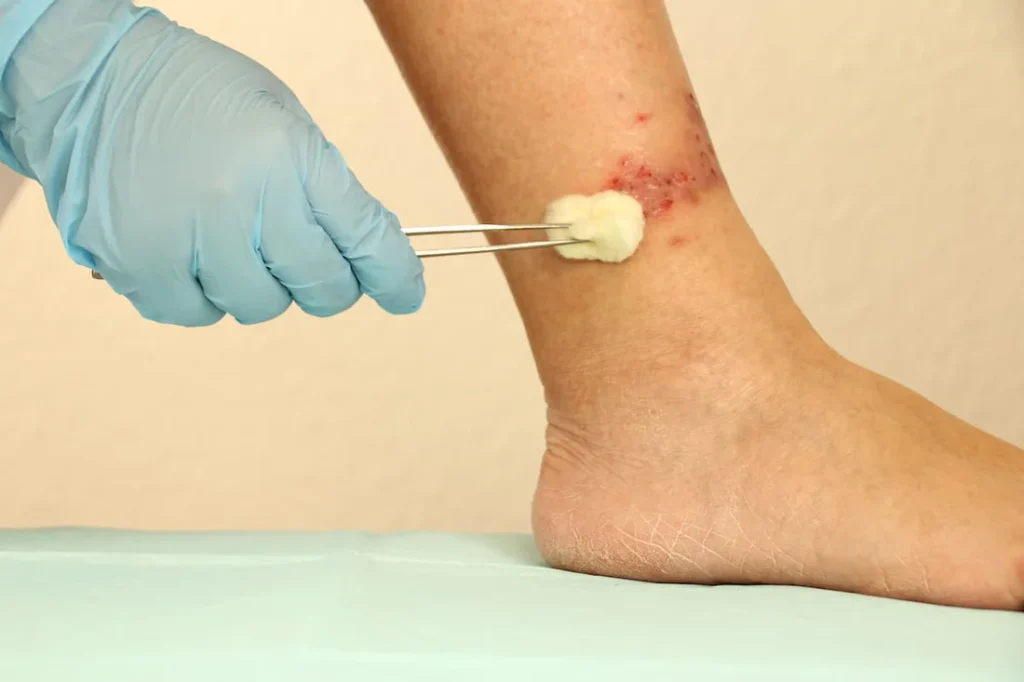
Venous ulcers are typically located on the inner side of the lower leg or around the ankle. Key symptoms include:

  • Shallow, irregularly shaped wounds
  • Red, swollen skin with discoloration
  • Itching or oozing fluid from the wound
  • Aching, heavy, or throbbing legs
  • Warm skin with visible varicose veins

Unlike arterial ulcers, venous ulcers are often less painful but take longer to heal if the underlying venous condition is not treated.

Treatment for Venous Ulcers

The main goal for venous ulcers is to reduce venous pressure and enhance blood return to the heart. Treatments include:

  • Compression Therapy: Wearing compression stockings or bandages to improve blood flow and reduce swelling.
  • Sclerotherapy or Laser Treatment: Minimally invasive techniques to close damaged veins.
  • Medication: Anti-inflammatory drugs and topical antibiotics for infection control.
  • Wound Care: Regular cleaning and dressing of the ulcer to promote healing.
  • Lifestyle Guidance: Weight management, leg elevation, and physical activity.

Dr. Santosh Patil often combines modern laser treatments with supportive compression therapy, ensuring faster recovery and minimal recurrence.

Treatment for Arterial Ulcers

The primary goal is to restore blood flow to the affected area. Treatment may include:

  • Lifestyle modifications: Quitting smoking, managing cholesterol, and exercising regularly.
  • Medications: Blood thinners, cholesterol-lowering drugs, and vasodilators to improve circulation.
  • Angioplasty or Bypass Surgery: To open or reroute blocked arteries.
  • Wound Care: Cleaning, debridement, and use of advanced dressings to promote healing.

Dr. Santosh Patil ensures that arterial ulcers are treated with a focus on improving oxygen supply and preventing tissue death.

If you notice persistent leg wounds that do not heal, accompanied by pain, swelling, or skin discoloration, it’s important to seek medical attention. Delaying treatment can lead to severe complications such as infections, gangrene, or chronic pain.

At Expert IR clinic in Pune, patients receive a comprehensive vascular assessment to identify the root cause of their ulcer and receive a customized, minimally invasive treatment plan.

Frequently Asked Questions (FAQs)

Yes. Cold temperatures cause veins to constrict, which can temporarily improve blood flow and reduce swelling or discomfort. However, this is only short-term relief, not a cure.

While many people feel relief, some experience stiffness or pain due to reduced activity and poor circulation during winter. Staying active and hydrated can help ease discomfort.

Absolutely. According to Dr. Santosh Patil – Best Vascular Surgeon in Pune, winter is ideal for varicose vein treatment because the cool weather helps reduce swelling and speeds up recovery after procedures like EVLT or RFA.

Yes. Winter makes it more comfortable to wear full-length compression stockings, which improve circulation, relieve symptoms, and support recovery after treatment.

Yes. Reduced movement decreases blood circulation, which can worsen venous pressure and symptoms. Indoor exercises like yoga, stretching, or brisk walking can help maintain leg health.

Conclusion

Winter might seem like a season of comfort for people with varicose veins, but it’s also the best time to take preventive measures and seek medical treatment. The cooler weather supports faster healing, and reduced swelling makes post-procedure recovery smoother.

By following simple winter care tips, staying active, and consulting an experienced specialist like Dr. Santosh Patil – Best Vascular Surgeon in Pune, you can manage symptoms effectively and enjoy lasting relief from varicose veins.

This winter, don’t just cover your legs—take steps toward healthier veins and permanent comfort.
For More Details Visit Our Channel